

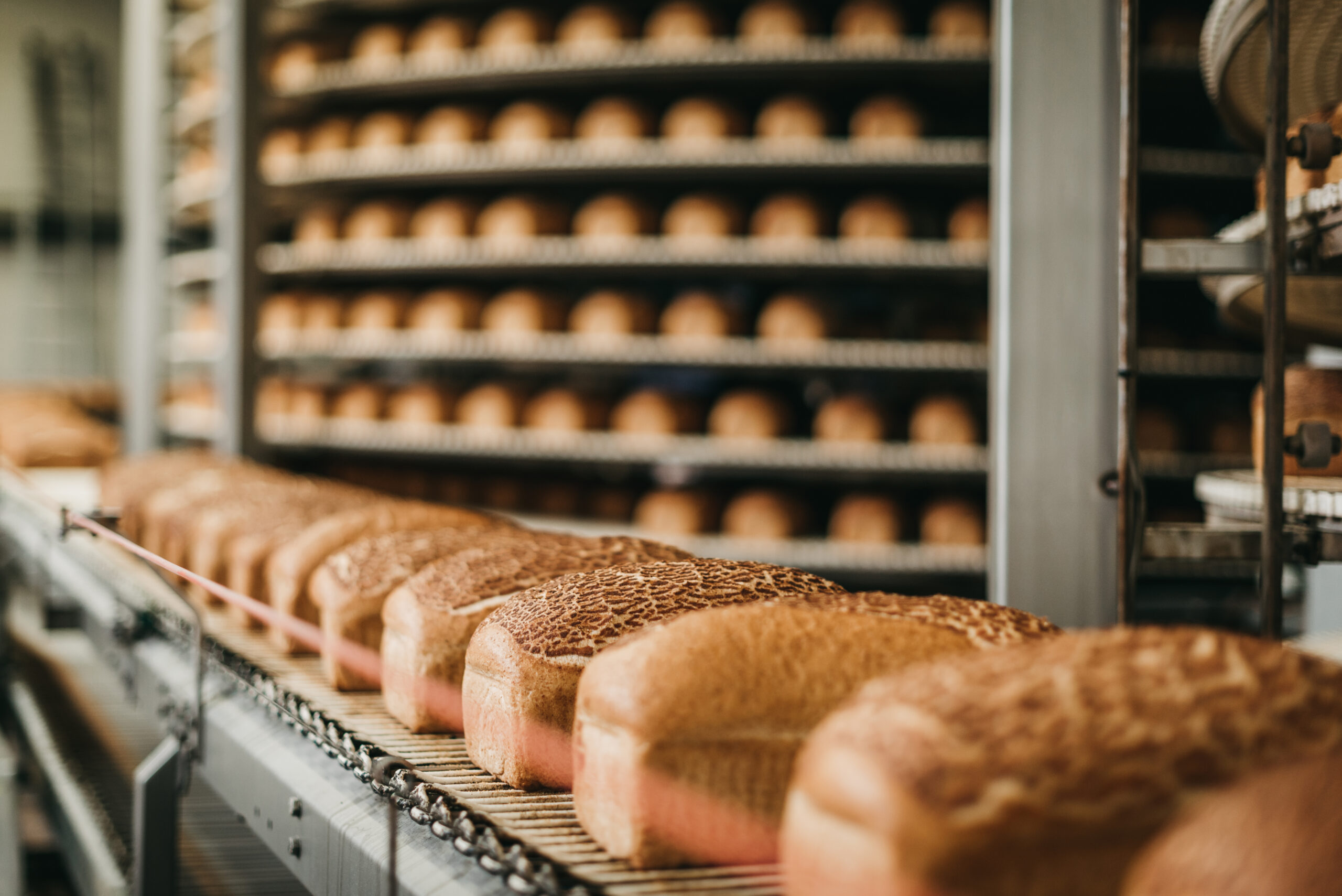
Your daily bread choice could silently determine whether dementia clouds your golden years.
Story Snapshot
- High-GI carbs spike blood sugar and raise dementia risk by 14%, while low-GI foods cut Alzheimer’s odds by 16% in a 200,000-person study.
- A 13-year UK Biobank analysis tracked 2,362 dementia cases, proving carb quality trumps quantity for brain health.
- Lead researcher Mònica Bulló urges fruits, legumes, and whole grains to shield cognition.
- Findings align with conservative values of personal responsibility through simple dietary discipline.
- No causality proven, but evidence demands action amid rising global dementia rates.
Study Details and Dementia Link
Researchers analyzed dietary data from 207,000 UK Biobank adults free of dementia at baseline. Over 13.25 years, 2,362 developed dementia. High-glycemic index (GI) diets, featuring fast carbs like white bread and potatoes, correlated with 14% higher overall dementia risk and 16% elevated Alzheimer’s risk. Low-to-moderate GI diets showed opposite effects: 16% lower Alzheimer’s risk. Glycemic load, factoring portion size, reinforced these patterns. The Spanish team at Universitat Rovira i Virgili used advanced modeling to isolate carb quality’s role.
Understanding Glycemic Index Science
Glycemic index measures how quickly foods raise blood glucose. Developed in the 1980s, low-GI foods under 55—like lentils, apples, and oats—release sugar gradually, stabilizing insulin. High-GI over 70—think sugary cereals or rice cakes—cause spikes linked to brain inflammation and insulin resistance. Study pinpointed thresholds: GI above 63 hikes risk; below 60 protects. This builds on precedents where high glycemic load over 110 raised dementia odds 13%, low under 49.3 lowered them.
Lead Researcher Mònica Bulló’s Findings
Mònica Bulló, professor at URV’s Biochemistry Department and director of TechnATox Centre, led the Nutrition and Metabolic Health group. Her team, with Pere Virgili Institute, processed UK Biobank questionnaires. Bulló stated low-GI diets rich in fruits, legumes, whole grains could decrease cognitive decline, Alzheimer’s, and other dementias. No industry funding tainted results; pure academic pursuit aligns with common-sense prevention over pills. Her work differentiates from vague carb warnings by nailing GI precision.
Publication hit January 27, 2026, in the International Journal of Epidemiology. Media like ScienceDaily and EurekAlert spread word instantly. Correlative data demands replication, yet strength from longitudinal design outshines snapshots.
Eating too many fast carbs could silently boost your dementia risk. But the right carbs may keep your brain sharp for years. Here's what the latest study found.https://t.co/MNZOBivRwe#Carbs #GoodNews
— brightcast.news (@BrightcastNews) January 27, 2026
Complementary Evidence from Fiber Ratios
A related study on carbohydrate-to-fiber ratio (CFR) showed high ratios—low fiber relative to carbs—increase dementia hazard 1.07 per standard deviation. Brain MRIs revealed thinner cortical regions in high-CFR groups, tying to neuroinflammation and gut-brain axis. Optimal CFR hovers near 10:1. Fiber alone proved neutral, underscoring quality pairings. High carbs quadrupled mild impairment risk in 70+ elders, echoing GI risks via metabolic strain.
Implications for Prevention and Policy
Short-term, expect dietary shifts boosting legumes and whole grains, cutting refined carbs. Long-term, confirmed insulin pathways could slash dementia rates, easing healthcare burdens akin to anti-smoking wins. Prediabetics and seniors benefit most; self-management empowers without big government. The food industry eyes low-GI labels; public health gains GI/GL/CFR metrics. Conservative principle: individuals control fate through disciplined eating, not waiting for cures.
Meet My Healthy Doc – instant answers, anytime, anywhere.
Sources:
Glycemic index of carbs linked to dementia risk
The type of carbs you eat may affect dementia risk
Carbohydrate quality index and risk of dementia
Type of carbs you eat may affect dementia risk
Quality carbs and dementia
Eating the Wrong Carbs May Raise Your Dementia Risk
The GL of your diet determines your future dementia risk
The Way You Eat Carbs Could Shape Your Brain Health Decades Later
Too many carbs raise risk of cognitive decline in elderly