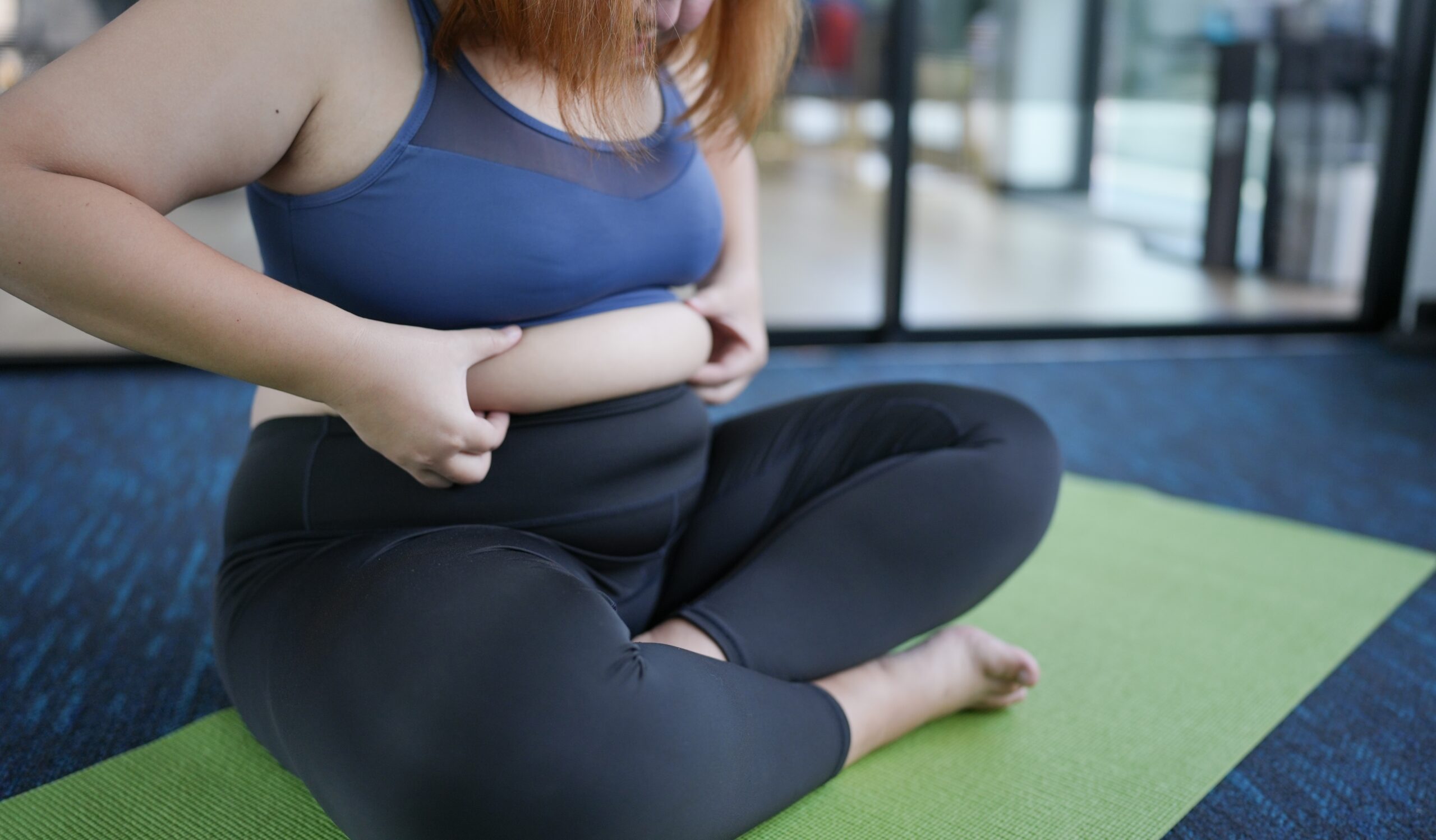


Women over 40 are discovering that the secret to lasting vitality isn’t about looking perfect in a mirror—it’s about moving powerfully through everyday life.
Quick Take
- Functional strength training uses compound exercises like squats and deadlifts that mimic real-world movements, fixing imbalances and building practical power for daily tasks.
- Metabolic flexibility—the body’s ability to switch efficiently between carbohydrates and fats as fuel—improves with resistance training combined with varied-intensity cardio.
- Women aged 30-50 gain immediate benefits including better posture, reduced injury risk, and increased energy while building lean muscle without specialized equipment.
- Short, scalable routines of 20-30 minutes per day fit busy lifestyles and deliver long-term protection against bone loss and age-related muscle decline.
Why Functional Strength Matters More Than Aesthetics
Traditional gym routines isolate single muscle groups—bicep curls, leg extensions, chest presses. Functional strength training flips this approach. Instead of chasing a sculpted appearance, compound movements like lunges, deadlifts, and push-ups activate multiple muscle groups simultaneously, mimicking how your body actually moves when lifting groceries, climbing stairs, or picking up grandchildren. This multi-joint activation strengthens your stabilizer muscles, improves balance, and corrects muscular imbalances that accumulate over decades of sitting at desks and favoring dominant sides.
Emily, a Women’s Health expert, emphasizes that unilateral exercises—movements performed one side at a time—expose and fix strength gaps between left and right sides. A deadlift doesn’t just build leg and back strength; it engages your core, stabilizers, and posterior chain in one integrated movement. For women in their 40s and beyond, this functional approach translates directly into injury prevention and the ability to perform daily tasks with ease and confidence.
Meet My Healthy Doc – instant answers, anytime, anywhere.
The Foundation: Five Essential Exercises
You don’t need fancy equipment or gym memberships to build functional strength. OBE Fitness and other evidence-based programs emphasize five foundational movements: squats, deadlifts, push-ups, lunges, and planks. Squats strengthen your quads, glutes, and core while improving lower-body stability. Deadlifts teach proper hip hinge mechanics, protecting your spine during everyday lifting. Push-ups build upper-body and core strength simultaneously. Lunges work single legs, exposing and correcting imbalances. Planks create core stability essential for posture and spinal health. These five movements form the backbone of any functional strength routine, and trainers universally recommend mastering form before adding weight or intensity.
Metabolic Flexibility: Teaching Your Body to Burn Fat
Metabolic flexibility is your body’s ability to switch efficiently between burning carbohydrates and fats as fuel. Most modern diets and sedentary lifestyles train bodies to rely heavily on glucose, leaving them inefficient at fat oxidation. Resistance training combined with varied-intensity cardio—particularly zone 2 cardio like brisk walking—retrains your metabolism. When you perform compound strength exercises, you deplete muscle glycogen, signaling your body to improve fat-burning capacity. Adding regular low-intensity cardio reinforces this adaptation. This metabolic shift delivers profound benefits: better blood sugar control, improved insulin sensitivity, sustained energy throughout the day, and reduced risk of metabolic diseases like type 2 diabetes.
Got a health question? Ask our AI doctor instantly, it’s free.
Building Your 20-30 Minute Routine
Time constraints plague busy women. The good news: effective functional strength routines require only 20-30 minutes daily. Programs like OBE Fitness offer 8-10 week progressive plans requiring just 10-25 minutes per session. A sample routine might include three sets of squats, three sets of push-ups or modified variations, two sets of lunges per leg, one plank hold, and 10 minutes of zone 2 cardio. Progressive overload—gradually increasing difficulty through more reps, longer holds, or added resistance—ensures continuous adaptation. Trainers stress form-first progression: master movement patterns with bodyweight before adding dumbbells or kettlebells. Scalable videos showing low and high-impact modifications ensure routines work for all fitness levels, from complete beginners to experienced athletes.
Watch:
Long-Term Benefits That Compound Over Time
The immediate rewards—stronger posture, increased energy, better balance—motivate consistency. But the long-term benefits reshape your health trajectory. Sustained resistance training preserves bone density, combating osteoporosis and sarcopenia, the age-related muscle loss that accelerates decline in older women. Enhanced metabolic flexibility lowers chronic disease risk and stabilizes energy levels through hormonal fluctuations like perimenopause. Women who maintain functional strength throughout their 40s, 50s, and beyond enjoy independence, vitality, and the confidence to move through the world without fear of falling or injuring themselves. This isn’t vanity—it’s longevity and autonomy.
Your new health companion is online, ready when you are.
Sources:
Functional Training for Women – Women’s Health Magazine
5 Functional Exercises Every Woman Needs – OBE Fitness
Functional Strength Training for Women – A Poised Perspective
Strong 20: Functional Strength Training – Nourish Move Love
Functional Fitness for Women – Caroline’s Circuits
Five Essential Exercises for Beginners – Fit & Well
Functional Fitness Essentials – GORUCK