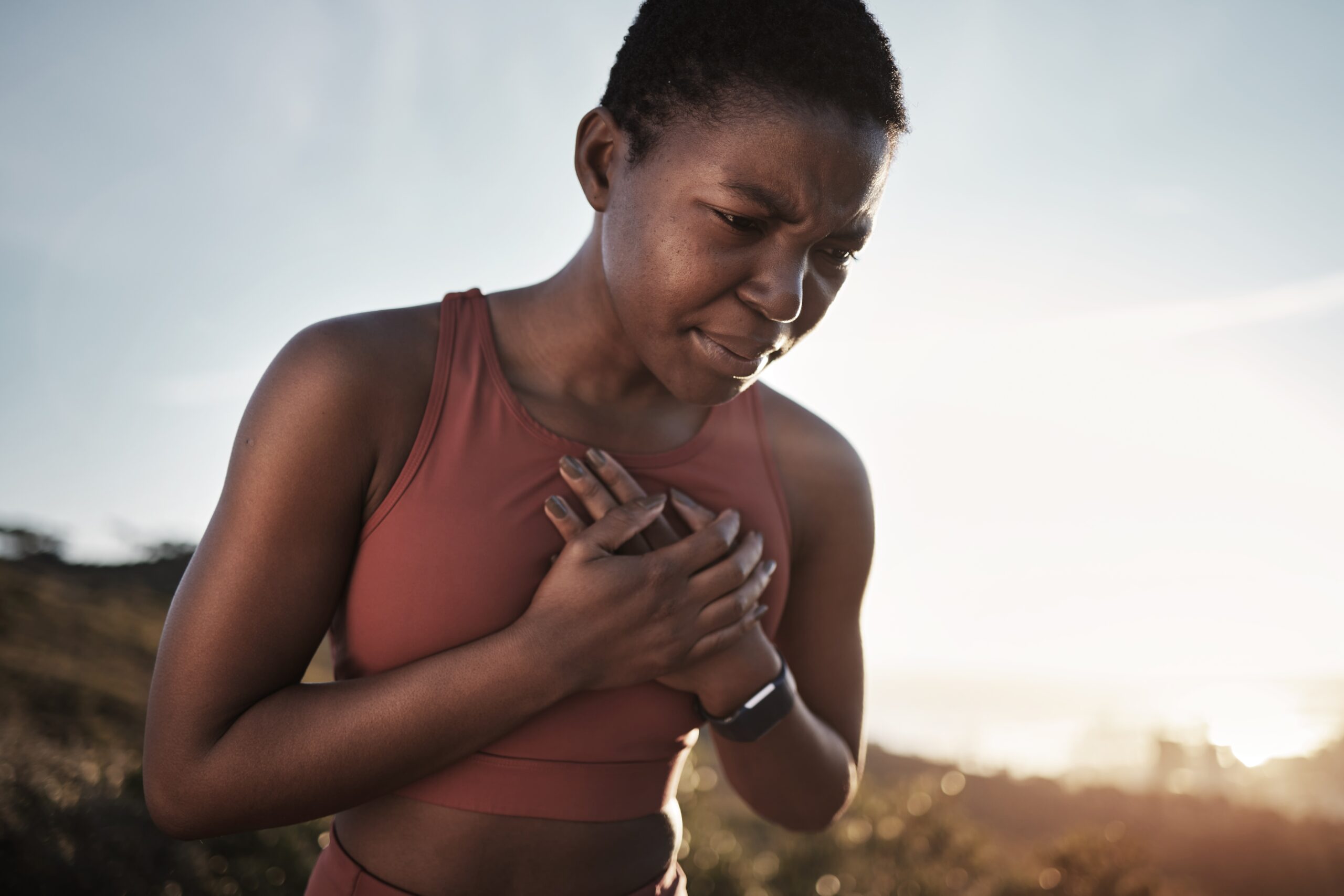


Women halve their exercise time to match men’s heart health gains, slashing coronary risks with brisk walks that men must double for the same payoff.
Story Snapshot
- Women cut CHD risk 22% with 150 weekly moderate exercise minutes; men need more for 17% drop.
- 30% risk reduction hits at 250 minutes for women, 530 for men—nearly twice the effort.
- Diagnosed CHD patients see a threefold mortality drop in women versus men.
- Estrogen likely drives the edge; postmenopausal women benefit most in study.
- Calls rise for sex-specific guidelines to close global female activity gaps.
Study Reveals Women’s Exercise Edge
UK Biobank tracked 80,000 middle-aged adults with wrist devices for eight years. Researchers analyzed moderate-to-vigorous aerobic activity like brisk walking and cycling, plus strength training. Women achieved 22% coronary heart disease risk reduction at 150 minutes weekly, outperforming men’s 17%. Dose-response curves showed women hit 30% reduction at 250 minutes; men required 530. Lead author Dr. Jiajin Chen noted females needed half the activity for equal benefits.
Estrogen Powers Greater Gains
Dr. Chen linked women’s advantages to estrogen, which aids fat loss, artery relaxation, and cholesterol balance. Postmenopausal cohort, average age 62, underscores hormone’s role before decline. Prior lab trials confirmed estrogen boosts lipid breakdown during exercise. Bibliometric reviews trace sex differences to osteoporosis and cardiovascular studies on older women. Global inactivity plagues women despite these perks; researchers urge tailored motivation.
Got a health question? Ask our AI doctor instantly, it’s free.
Stakeholders Push Guideline Shifts
Dr. Yan Wang, senior author at Xiamen University, stressed moderate exercise yields major gains for women. UK Biobank supplied robust wearable data since 2006. Cedars-Sinai precedents align: women max survival at 140-300 aerobic minutes weekly versus men’s 300, and one strength session against three. American Heart Association and WHO guidelines stick to uniform 150 minutes; experts like Dr. Gulati advocate updates. Facts support personalization over one-size-fits-all, aligning with common-sense conservatism favoring evidence-based individual responsibility.
Meet My Healthy Doc – instant answers, anytime, anywhere.
Watch:
Dose-Response Details Guide Optimization
More exercise amplified benefits without plateau before 300 minutes for women. CHD-diagnosed women slashed mortality threefold over men. Study distinguishes primary prevention from secondary care. Pre-2025 Cedars-Sinai found reproductive-age women gain sleep and mental health boosts. Limited premenopausal data calls for replication across ethnicities. Conservative values endorse these insights: empower women efficiently, cut healthcare costs as leading killer CHD burdens families.
Fitness sectors eye women-targeted programs emphasizing brisk walks and one weekly strength session. Long-term, revised guidelines promise equity, prevention savings. Short-term motivation surges via media peaks in October 2025 coverage from Guardian to TIME. No new trials yet, but advocacy grows for life-stage interventions probing muscle metabolism variances.
Your instant doctor companion – online 24 hours a day.
Sources:
Exercise benefits women nearly twice as much as men, study says (Running Magazine)
Women get more benefits from exercise than men, study (WBZ NewsRadio)
Women gain greater heart benefits from exercise than men (Medical Xpress)
Bibliometric analysis on sex differences in exercise benefits
Women reach heart health goals with less exercise than men (Good Morning America)
Women get more from less exercise for heart health (TIME)
Women get the same exercise benefits as men but with less effort (Cedars-Sinai)
CDC report on exercise and women’s health