
A quarter-century tracking nearly 28,000 people revealed that eating high-fat cheese might slash your dementia risk by 13 percent, upending decades of dietary advice that demonized full-fat dairy as a threat to your health.
Story Snapshot
- Swedish researchers followed 27,670 adults for 25 years and discovered those eating high-fat cheese daily reduced dementia risk by 13 percent and vascular dementia by 29 percent
- Only full-fat cheese and cream showed brain protection; low-fat dairy, milk, yogurt, and butter provided no benefit, contradicting standard nutritional guidance
- The study challenges 40 years of low-fat dogma but remains observational, meaning cheese consumption correlates with lower dementia without proving causation
- Nutrients like vitamin K2, B12, and fat-soluble vitamins A and D may explain the effect, alongside substitution of cheese for processed meats
- Experts urge caution, emphasizing diet patterns like the Mediterranean diet over single-food solutions for brain health
Why Full-Fat Cheese Defies Four Decades of Dietary Dogma
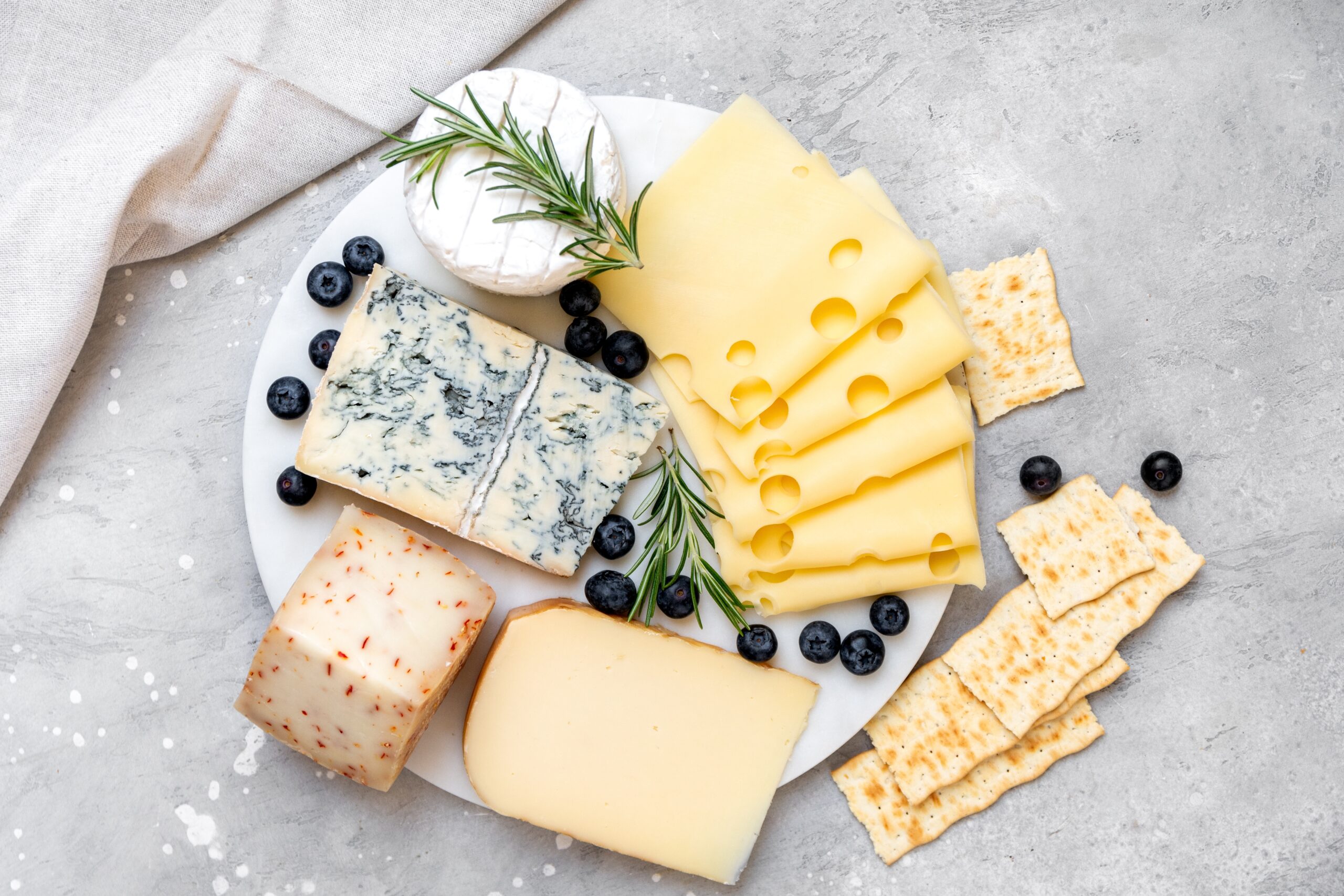
The post-1980s war on fat turned saturated dairy into public enemy number one. Governments worldwide instructed citizens to shun butter, cream, and cheese as heart attack accelerators. This Swedish study published in February 2026 by Yufeng Du and colleagues at Lund University flips that narrative on its head. Participants consuming at least 50 grams daily of high-fat cheese like cheddar, brie, or gouda demonstrated significantly lower dementia incidence than those eating less than 15 grams. The hazard ratio of 0.87 translates to a 13 percent risk reduction, with vascular dementia dropping by nearly 30 percent.
What separates this research from prior attempts is scale and rigor. The Malmö Diet and Cancer cohort enrolled participants in the mid-1990s, collecting seven-day food diaries and dietary questionnaires before following them for a median 25 years. With 3,208 dementia cases diagnosed through national registries, the researchers had statistical firepower earlier studies lacked. They also excluded individuals showing dementia symptoms at baseline, reducing the chance that cognitive decline influenced eating habits rather than the reverse.
The Nutrient Hypothesis Behind the Cheese Connection
Emily Sonestedt, an epidemiologist at Lund University, challenges assumptions that saturated fat uniformly harms health. She points to bioactive compounds in full-fat cheese that may safeguard neurons. Vitamin K2, concentrated in aged cheeses, activates proteins regulating calcium deposition in brain tissue. Vitamin B12 supports myelin sheath integrity around nerve fibers. Fat-soluble vitamins A and D modulate inflammation and oxidative stress, processes implicated in dementia pathology. These nutrients appear absent or diluted in low-fat dairy, potentially explaining why skim milk and reduced-fat yogurt failed to replicate the effect.
Substitution effects complicate the picture. People eating more cheese may consume less processed meat, refined carbohydrates, or other foods linked to cognitive decline. The Swedish cohort adjusted for variables like age, sex, education, and overall diet quality, but residual confounding remains possible. Cheese lovers might exercise more, avoid smoking, or engage in intellectually stimulating activities that independently lower dementia risk. Observational studies cannot disentangle these threads, leaving causation unproven despite the robust association.
Got a health question? Ask our AI doctor instantly, it’s free.
Watch:
Skeptics Question the Study’s Real-World Applicability
Tara Spires-Jones of the UK Dementia Research Institute raises a fundamental concern: the study measured diet only at baseline. Over 25 years, participants’ eating habits likely shifted due to illness, economic changes, or evolving preferences. A single snapshot cannot capture decades of dietary variation, potentially misclassifying participants whose cheese intake increased or decreased. Critics also note the Swedish cohort’s ethnic homogeneity and cultural context, where high-fat dairy consumption aligns with traditional foodways. Extrapolating results to populations with different genetics or dietary norms requires caution.
Harvard School of Public Health experts express doubt that whole-fat dairy benefits brain health, citing prior research linking saturated fat to cardiovascular disease and inflammation. They argue the Swedish findings conflict with established evidence favoring unsaturated fats from nuts, fish, and olive oil. The absence of mechanistic data leaves researchers guessing whether cheese itself protects the brain or whether healthier individuals simply happen to eat more cheese. Randomized controlled trials assigning participants to high-cheese versus low-cheese diets could settle the question, but such studies face ethical and practical hurdles over 25-year timespans.
Meet My Healthy Doc – instant answers, anytime, anywhere.
What This Means for Your Next Grocery Run
The study does not license unlimited cheese consumption. A 50-gram daily serving equals roughly two ounces, or two slices of cheddar, not an entire cheese board. Moderation remains paramount given cheese’s calorie density and sodium content. The Mediterranean diet, repeatedly validated for brain and heart health, incorporates moderate dairy alongside vegetables, whole grains, legumes, and olive oil. That holistic pattern likely outperforms any single food’s contribution, cheese included.
A 25-year study found an unexpected link between cheese and dementia
A massive Swedish study tracking nearly 28,000 people for 25 years found an unexpected link between full-fat dairy and brain health. Among adults without a genetic risk for Alzheimer’s, eating more full-fat…
— The Something Guy 🇿🇦 (@thesomethingguy) February 4, 2026
The dairy industry will seize on these findings to market full-fat products, potentially distorting the nuanced science into simplistic slogans. Consumers should resist the temptation to overhaul their diets based on one study, even a large one. Replication in diverse populations and exploration of biological mechanisms must precede dietary guideline revisions. For now, the research adds a compelling data point challenging low-fat orthodoxy but stops short of proving cheese prevents dementia. If you already enjoy cheese as part of a balanced diet, this study offers reassurance rather than a mandate to eat more.
Chat safely, anytime, with My Healthy Doc.
Sources:
A 25-year study found an unexpected link between cheese and dementia
Cheese Linked to Lower Dementia Risk in 25-Year Study
Can Cheese Lower Dementia Risk?
Dairy Product Intake and Risk of Dementia: A Population-Based Study
American Academy of Neurology Press Release: Cheese and Dementia Risk
PubMed: Dairy Product Intake and Risk of Dementia
Harvard Experts Question Study Linking Whole-Fat Dairy to Better Brain Health