

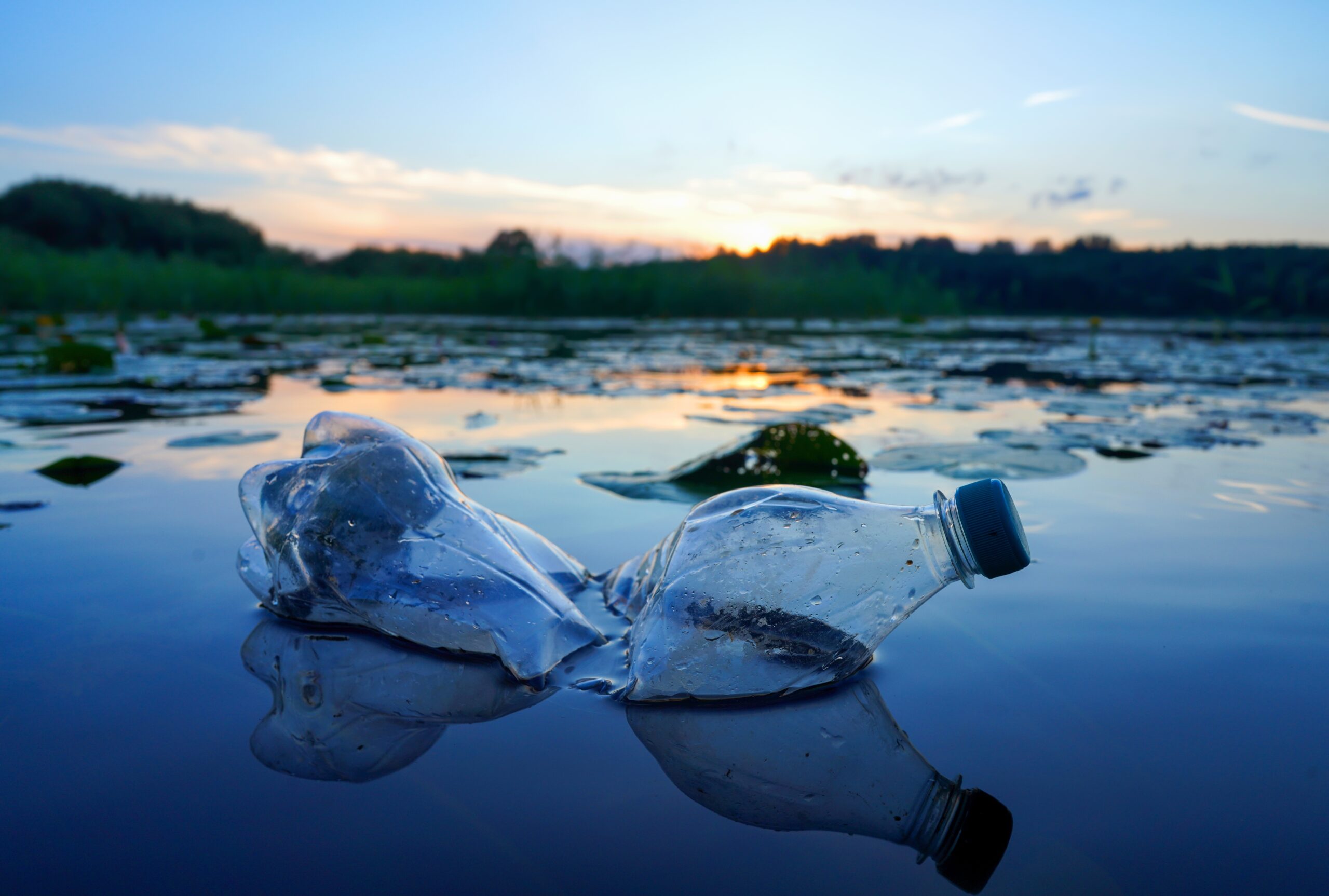
Bacteria lurking in ocean depths have naturally evolved the ability to devour the plastic bottles and synthetic clothing fibers that humanity dumps into marine ecosystems.
Story Highlights
- Ocean bacteria have naturally evolved enzymes that can digest PET plastic from bottles and synthetic clothing
- KAUST researchers identified a unique molecular signature that distinguishes plastic-eating enzymes
- These marine microbes developed this capability without human intervention or genetic modification
- The discovery could revolutionize how we approach the global plastic pollution crisis
Nature’s Unexpected Solution to Human Waste
The ocean harbors microscopic janitors that humanity never hired but desperately needs. Marine bacteria have independently developed sophisticated biological machinery to break down polyethylene terephthalate (PET), the ubiquitous plastic found in water bottles, food containers, and synthetic textiles. This evolutionary adaptation represents nature’s response to the estimated 8 million tons of plastic waste entering oceans annually.
Researchers at King Abdullah University of Science and Technology made this groundbreaking discovery while investigating how marine ecosystems cope with plastic contamination. The bacteria didn’t require laboratory modification or human engineering to develop these capabilities. They evolved naturally in response to the growing presence of synthetic polymers in their environment, demonstrating life’s remarkable ability to adapt to new chemical challenges.
Plastic-eating bacteria discovered in the ocean https://t.co/NMVrZsTRzN
— Alaska Dog Works (@AlaskaDogWorks) November 4, 2025
The Molecular Key to Plastic Destruction
The KAUST team identified a distinct molecular signature that separates effective plastic-degrading enzymes from ordinary bacterial proteins. This signature acts like a biological fingerprint, allowing scientists to distinguish which enzymes possess the structural characteristics necessary to break down complex plastic polymers. The discovery provides a roadmap for understanding how these remarkable biological tools function at the molecular level.
These specialized enzymes target the chemical bonds that hold PET molecules together, essentially unzipping the plastic’s molecular structure. The process transforms indigestible synthetic waste into simpler compounds that marine ecosystems can process naturally. This biological recycling system operates continuously in ocean environments where plastic debris accumulates, though current bacterial populations work far too slowly to match the pace of human plastic production.
Watch: Did Scientists Find Plastic-Eating Bacteria in the Deep Ocean?
Implications for Environmental Restoration
The identification of plastic-eating bacteria opens unprecedented possibilities for addressing ocean pollution through biological means rather than costly mechanical cleanup efforts. Scientists could potentially cultivate these organisms or engineer enhanced versions of their enzymes to accelerate plastic degradation in heavily contaminated marine areas. This approach would work with natural processes rather than against them.
However, the timeline for practical application remains uncertain. While laboratory studies show promise, scaling biological solutions to match the magnitude of global plastic pollution presents enormous challenges. The bacteria must function effectively in diverse ocean conditions, from tropical surface waters to frigid deep-sea environments, while avoiding unintended ecological consequences that could disrupt marine food chains or create toxic byproducts.
The Race Against Accumulating Waste
Current plastic production outpaces natural bacterial degradation by orders of magnitude, creating an ever-widening gap between pollution input and biological cleanup capacity. Ocean gyres continue accumulating massive plastic islands while microplastics infiltrate marine food webs from plankton to apex predators. The bacterial discovery offers hope but not an immediate solution to this accelerating crisis. The research highlights both human ingenuity and natural resilience in confronting environmental challenges.
Sources:
https://scitechdaily.com/scientists-discover-ocean-bacteria-that-feast-on-plastic/
https://www.sciencedaily.com/releases/2025/11/251104013023.htm