

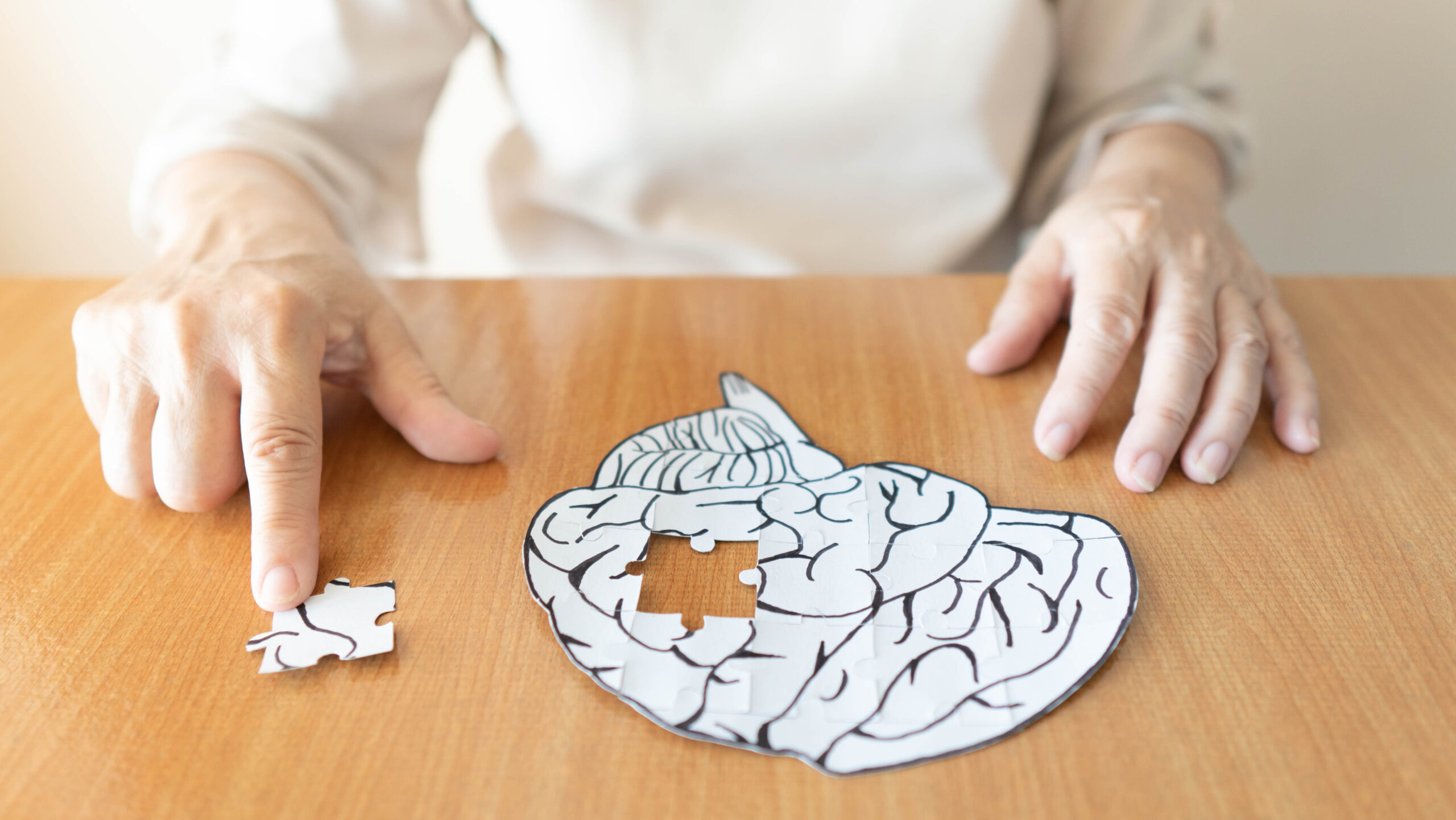
Scientists have discovered that your body may already possess a natural defense mechanism against Alzheimer’s disease.
Quick Take
- Spermine, a naturally occurring molecule in your body, actively fights harmful protein buildup linked to Alzheimer’s and Parkinson’s
- This powerful compound transforms dangerous misfolded proteins into manageable clumps your cells can eliminate
- The discovery reveals your body’s existing autophagy system may be more sophisticated than previously understood
- Understanding spermine’s role could revolutionize how we approach neurodegenerative disease prevention and treatment
The Hidden Warrior in Your Cells
Spermine operates like a molecular janitor, working tirelessly within your cells to maintain order. This naturally occurring polyamine doesn’t just sit idle—it actively seeks out the misfolded proteins that wreak havoc in Alzheimer’s and Parkinson’s disease. When these rogue proteins begin accumulating, threatening cellular function, spermine springs into action with remarkable precision.
The molecule’s strategy proves both elegant and effective. Rather than attempting to destroy these problematic proteins outright, spermine coaxes them into forming organized clusters. Think of it as herding cats—except these cats are deadly protein fragments that could otherwise scatter throughout your brain, causing widespread damage.
Watch;
Your Body’s Cleanup Crew Gets an Upgrade
Once spermine corrals these misfolded proteins into neat bundles, your cellular cleanup system called autophagy can finally do its job effectively. Autophagy literally means “self-eating,” and it’s your body’s way of recycling damaged cellular components. Without spermine’s organizing influence, these harmful proteins remain scattered and difficult for autophagy to target efficiently.
This discovery challenges everything researchers thought they knew about protein aggregation in neurodegenerative diseases. Previously, scientists viewed protein clumping as purely destructive. Now they’re learning that organized clumping, facilitated by molecules like spermine, might actually represent your body’s attempt to protect itself from even worse damage.
Your body may already have a molecule that helps fight Alzheimer’s https://t.co/4vYXzkk1eS
— Un1v3rs0 Z3r0 (@Un1v3rs0Z3r0) November 27, 2025
The Implications for Brain Health
Understanding spermine’s protective role opens fascinating possibilities for maintaining cognitive health as we age. Rather than fighting against your body’s natural processes, future treatments might work to enhance what spermine already does. This represents a fundamental shift from trying to prevent all protein aggregation to supporting your body’s natural ability to manage it safely.
The research also suggests that people with naturally higher spermine levels or more efficient spermine function might have built-in protection against neurodegenerative diseases. This could explain why some individuals remain cognitively sharp well into their nineties while others develop dementia much earlier, despite similar lifestyle factors and genetic backgrounds.