

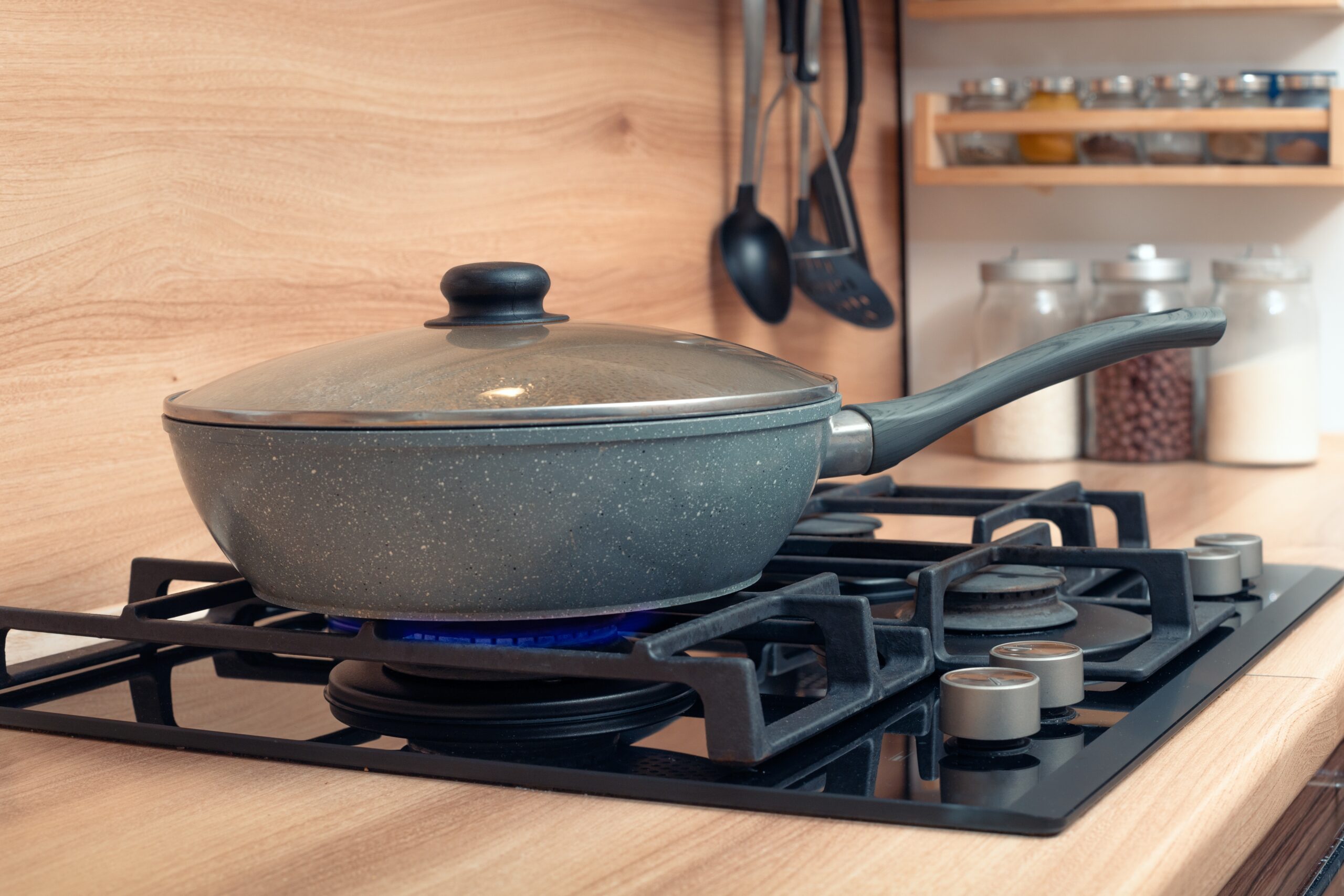
The cookware sitting in your kitchen cabinet right now may be silently damaging your heart with every meal you prepare.
Quick Take
- PFAS chemicals in traditional non-stick cookware accumulate in your body and persist indefinitely, raising serious cardiovascular concerns
- Carbon steel, ceramic-coated, and cast iron alternatives eliminate toxic chemical exposure while delivering superior long-term durability
- Medical professionals increasingly warn patients about the hidden health risks lurking beneath conventional non-stick surfaces
- The non-toxic cookware market now offers affordable options that outperform traditional pans in both safety and performance
The Forever Chemicals Hiding in Your Pans
Non-stick cookware revolutionized home cooking when PTFE, commonly known as Teflon, emerged in the mid-20th century. For decades, regulatory agencies including the FDA and EFSA assured consumers that this fluoropolymer remained stable at normal cooking temperatures between 180 and 250 degrees Celsius. That assurance now rings hollow as emerging research reveals the darker truth about PFAS, or per- and polyfluoroalkyl substances. These chemicals earned the nickname “forever chemicals” because they never break down in the environment or your body, accumulating over years of exposure.
Watch:
Why Cardiologists Are Speaking Out
Leading gastroenterologists and cardiologists now emphasize reducing PFAS exposure as a critical preventive health measure. The connection between cookware chemicals and heart health operates through systemic inflammation and endothelial dysfunction triggered by accumulated PFAS exposure. These medical professionals recognize that kitchen safety represents a foundational element of cardiovascular prevention strategies, particularly for patients with existing heart conditions or genetic predispositions to cardiac disease.
Carbon Steel: The Forgotten Kitchen Hero
Carbon steel cookware has emerged as the primary health-conscious alternative, offering non-toxic performance without synthetic coatings or harmful chemicals. Properly seasoned carbon steel develops a natural, non-stick surface that actually improves with use, eliminating the need for synthetic coatings and reducing required cooking oil. This cookware delivers lifetime durability at a fraction of premium stainless steel prices while providing superior heat distribution and responsiveness compared to traditional non-stick pans.
Ceramic Coatings: Science-Based Safety
Ceramic-coated cookware derived from sand provides non-stick surfaces completely free from PFAS and other harmful chemicals. GreenPan pioneered this technology in 2007 with its proprietary Thermolon coating, which resists heat, grease, and water without any health consequences. The coating performs reliably across cooking temperatures while remaining chemically inert, making ceramic cookware particularly suitable for acidic foods like marinara sauce or tomato-based dishes that would leach metals from reactive surfaces.
Making the Switch: Practical Considerations
Transitioning to non-toxic cookware requires understanding your priorities and cooking style. Cast iron and carbon steel demand minimal investment but require seasoning and maintenance. Ceramic-coated options provide immediate non-stick convenience with moderate durability. Premium enameled cast iron from brands like Staub eliminates seasoning requirements while delivering exceptional heat retention and lifetime performance, though at higher price points. Stainless steel remains a reliable, affordable option for those willing to use slightly more cooking oil and accept longer preheating times.
The Market Responds to Health Demands
Leading cookware manufacturers now emphasize sustainability alongside safety, recognizing that health-conscious consumers demand transparency about materials and manufacturing processes. GreenPan’s production methods emit 60 percent less CO2 than traditional coating processes, utilize recycled aluminum, and operate comprehensive recycling programs for old cookware. Established brands including Le Creuset and All-Clad compete alongside newer companies like Caraway Home and Our Place, creating genuine market competition that benefits consumers through innovation and price pressure.
Sources:
The Health Benefits of Cooking with Carbon Steel Cookware
Non-Toxic Cookware Brands to Keep Chemicals Out of Your Food
What is the Healthiest Material for Cookware
Leading GI Surgeon Reveals How Non-Stick Cookware Can Severely Impact Your Health
Best Frying Pans If You Want to Avoid PFAS Chemicals
Should I Be Concerned About Using Non-Stick Cookware