
As you age, rosacea often becomes more than just a skin condition—it’s a relentless battle against chronic inflammation and vascular changes.
Story Overview
- Rosacea is a chronic, progressive inflammatory disorder that worsens with age.
- Age-related skin changes and delayed treatment contribute to its severity.
- While common in individuals over 45, rosacea can be managed effectively.
- Research and new therapies offer hope for better control of symptoms.
Understanding Rosacea’s Progression
Rosacea typically begins between the ages of 30 and 50, with early signs such as facial flushing and redness. However, by the time people reach their 50s and 60s, the condition often becomes more severe and treatment-resistant. This progression is linked to a combination of long-term inflammation, vascular changes, and immune system dysregulation. As we age, our skin undergoes various intrinsic changes, including a decline in collagen production and a weakened skin barrier, which can exacerbate rosacea symptoms.
Another factor contributing to the worsening of rosacea with age is the cumulative exposure to environmental and lifestyle triggers such as UV radiation, temperature extremes, alcohol, and stress. These factors can provoke flares that, over time, lead to more permanent vascular changes and skin thickening. Additionally, many patients delay seeking treatment, allowing the condition to progress unchecked.
Why Does Rosacea Get Worse As You Age? https://t.co/XR1sI0w0vS
— Amy L. Sheinberg, Ph.D. (@dramysheinberg) December 16, 2025
The Role of Delayed Treatment
Many individuals with rosacea do not seek medical intervention until the condition reaches an advanced stage. A significant number of patients mistakenly self-treat with inappropriate products or ignore early symptoms altogether. This delay exacerbates the progression of the disorder, making it more difficult to manage later in life. Early recognition and continuous management are vital in altering the typical trajectory of rosacea, potentially preventing the development of more severe symptoms.
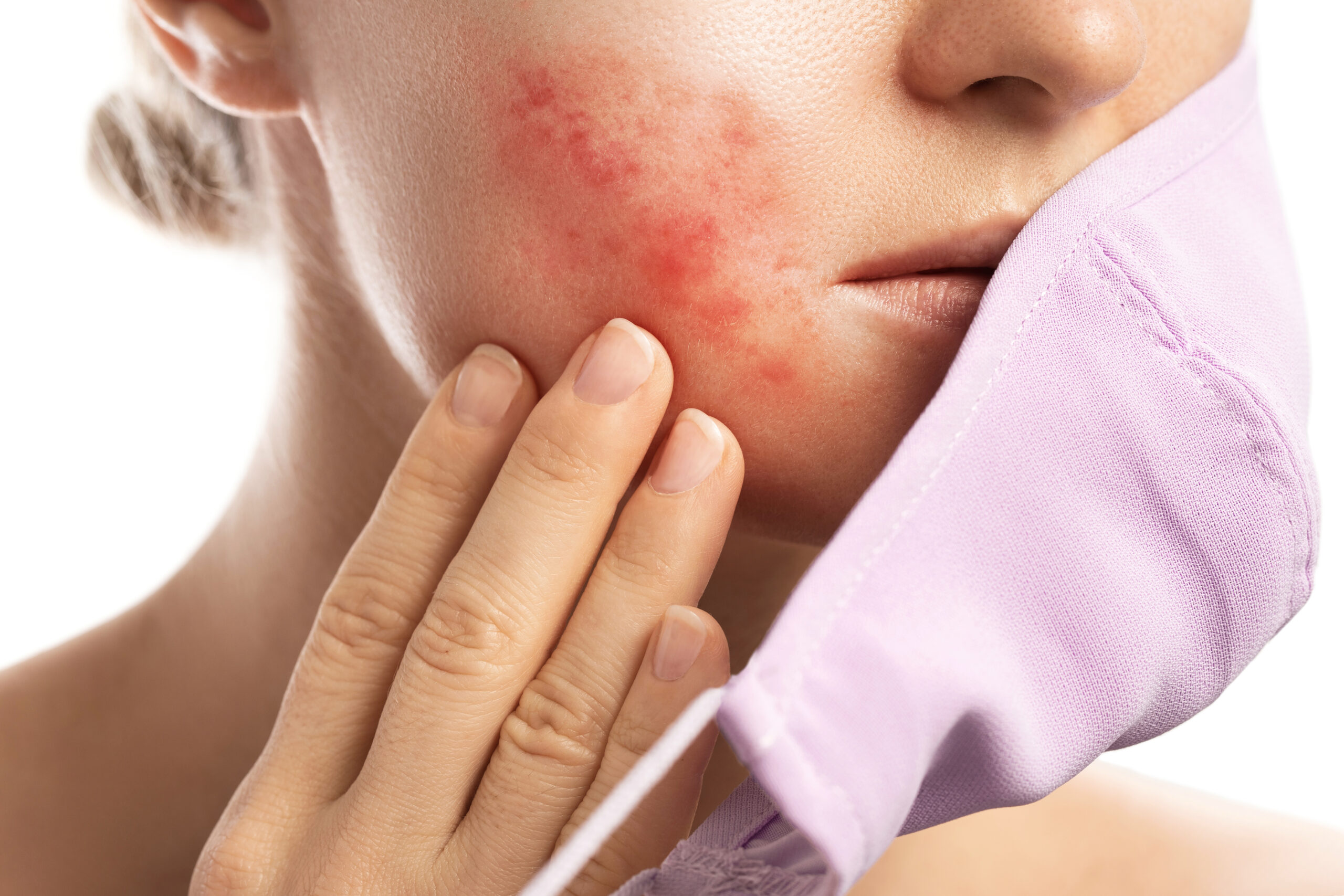
Patients over 50 are often hardest hit by intrusive symptoms, including persistent redness and visible blood vessels. A recent study found that women over 45 with rosacea had more complex and treatment-resistant cases, underscoring the need for tailored therapeutic approaches.
Watch:
Start your health journey in under a minute.
Innovations in Treatment
Recent advancements in rosacea treatment offer hope for those struggling with the disorder. Topical ivermectin, for instance, has shown promise in reducing inflammatory lesions, while laser-based therapies target dilated facial vessels and persistent redness. These innovations have improved the ability to control symptoms, even in older patients with long-standing disease.
The development of these therapies reflects a growing recognition that rosacea is a chronic condition requiring ongoing management. By addressing underlying inflammation and vascular changes, these treatments can help mitigate the traditional pattern of age-related worsening. Your new health companion is online, ready when you are.
Managing Rosacea in Older Adults
For older adults, managing rosacea involves a combination of medical treatments and lifestyle modifications. Dermatologists recommend avoiding known triggers, such as spicy foods and alcohol, and using sun protection to minimize UV exposure. Personalized treatment plans that consider an individual’s age, skin type, and other health conditions are crucial for effective management.
Proactive management can significantly improve the quality of life for rosacea patients. By seeking early diagnosis and adhering to recommended treatments, individuals can control symptoms and prevent further deterioration. The goal is not just to manage the condition but to empower patients to live confidently despite it.
Smart health starts here, try My Healthy Doc today.
Sources:
Healthline
National Rosacea Society
AARP
Mayo Clinic
Home to Stay HC
Cleveland Clinic
Los Gatos Dermatology
PHI Clinic