

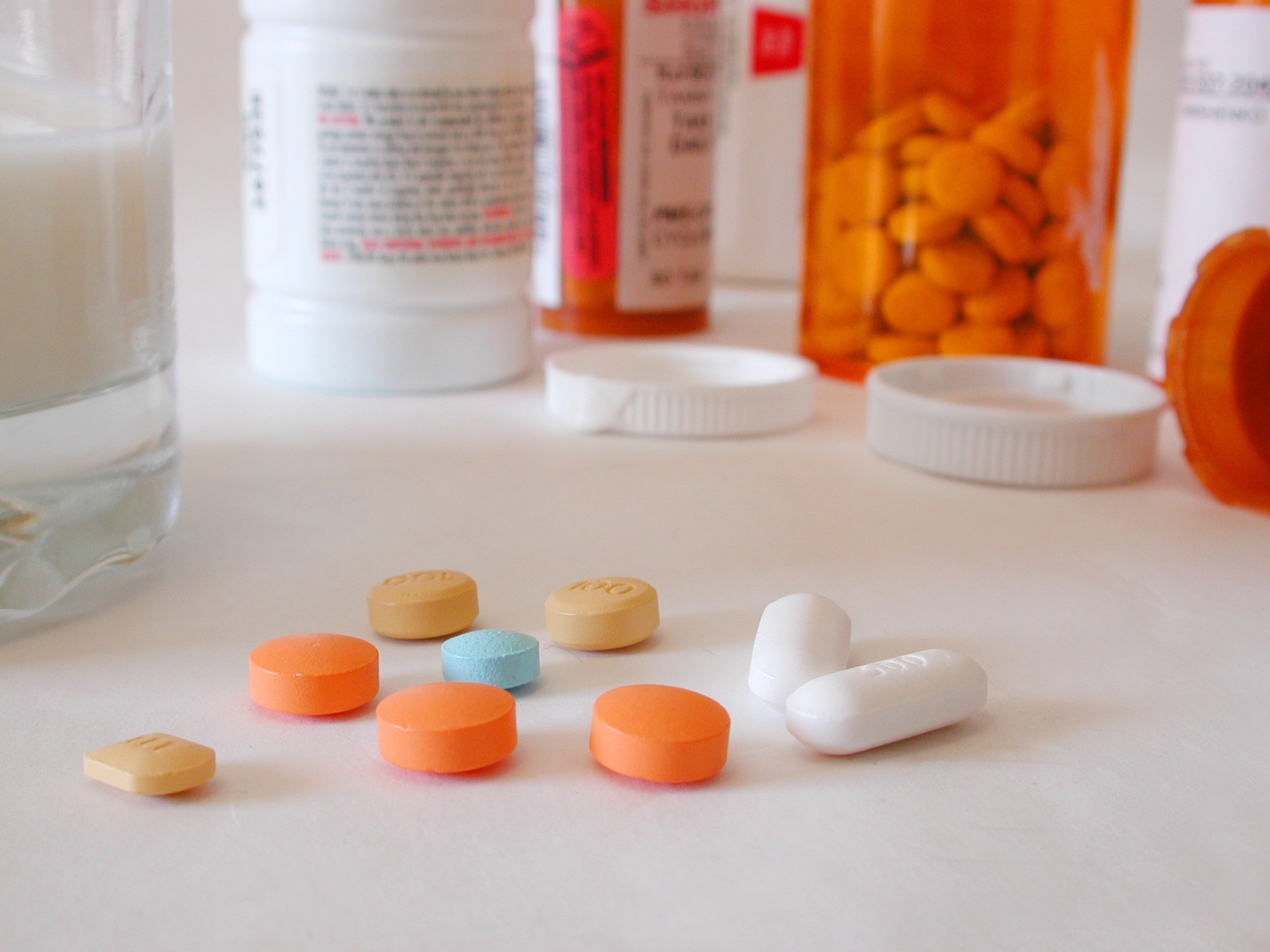
Medicines drive more greenhouse gas emissions than global aviation, fueling demands to overhaul prescribing habits before climate policies target your doctor’s office.
Story Snapshot
- Pharmaceuticals produce the largest share of healthcare’s carbon footprint, exceeding aviation’s total emissions.
- Overprescription inflates environmental harm through excess manufacturing and disposal.
- Supply chains amplify emissions via energy-intensive production and global shipping.
- Clinicians hold power to cut impacts by refining prescription practices.
Pharmaceuticals Eclipse Aviation in Emissions
Medicines generate the biggest chunk of greenhouse gas emissions in healthcare. This sector outpaces all global aviation combined. Production demands vast energy for chemical synthesis and sterile packaging. Factories churn out pills, inhalers, and injectables around the clock. Each step from raw materials to the final product spews carbon dioxide. Clinicians prescribe these routinely, unaware their choices ripple into the atmosphere. Common drugs like inhalers contribute massively due to propellant gases. This reality demands scrutiny on everyday medical decisions.
Overprescription Fuels Unnecessary Waste
Doctors overprescribe antibiotics and painkillers, driving up production volumes. Patients discard unused portions, adding landfill methane. One study reveals 30% of prescriptions go unfilled or expire unused. Manufacturers scale output to match these inflated demands, burning fossil fuels unnecessarily. Supply chains stretch across continents, with raw ingredients shipped from Asia to Europe for formulation. This global loop multiplies transport emissions. Conservative principles favor personal responsibility; patients and physicians must align prescriptions with actual needs to curb this excess.
Watch:
Supply Chains Amplify Carbon Footprint
Pharma supply chains rely on energy-hungry processes. Active ingredients demand high-heat reactions and purification. Refrigerated shipping preserves vaccines, guzzling fuel on long hauls. Europe sources many APIs from China and India, where coal powers factories. Packaging adds plastics derived from petroleum. Disposal of expired drugs releases potent gases when incinerated. These links form a hidden web clinicians rarely see. Breaking this chain starts with precise prescribing, reducing demand at the source. Common sense dictates efficiency over indulgence in medical supply.
Clinicians Drive Reductions Through Smarter Practices
Doctors can slash emissions by choosing generics over branded drugs. Generics skip redundant manufacturing runs. Opt for dry powder inhalers instead of metered-dose versions; they avoid hydrofluoroalkanes, greenhouse gases thousands of times worse than CO2. Prescribe lowest effective doses to minimize waste. Electronic prescribing cuts paper and mailing emissions. Hospitals adopting these shifts report 20-50% drops in pharma-related carbon. Policymakers eye mandates, but voluntary clinician action preserves medical freedom. Facts support this: targeted changes yield big wins without rationing care.
European regulators push guidelines for low-carbon prescribing. The National Health Service in the UK trains physicians on green choices. Overprescription stems partly from defensive medicine—fear of lawsuits prompts extras. Tort reform, a conservative staple, would curb this by restoring trust in clinical judgment. Patients benefit from fewer pills and lower costs. Environmental gains follow naturally. Ignore alarmist overreach; empower doctors with data-driven tools. This balances health, planet, and liberty.
Meet My Healthy Doc – instant answers, anytime, anywhere.
Sources:
Medscape News Europe: Prescribing Practices Under Scrutiny in Climate Debate – Medicines account for the largest share of greenhouse gas emissions, raising questions about overprescription, supply chains, and how clinicians can reduce the environmental impact.
https://www.drugdiscoverytrends.com/dirty-science-pharma-industry-produces-emissions-of-514-coal-power-plants-annually/
https://www.sciencedirect.com/science/article/pii/S2542519625000282