

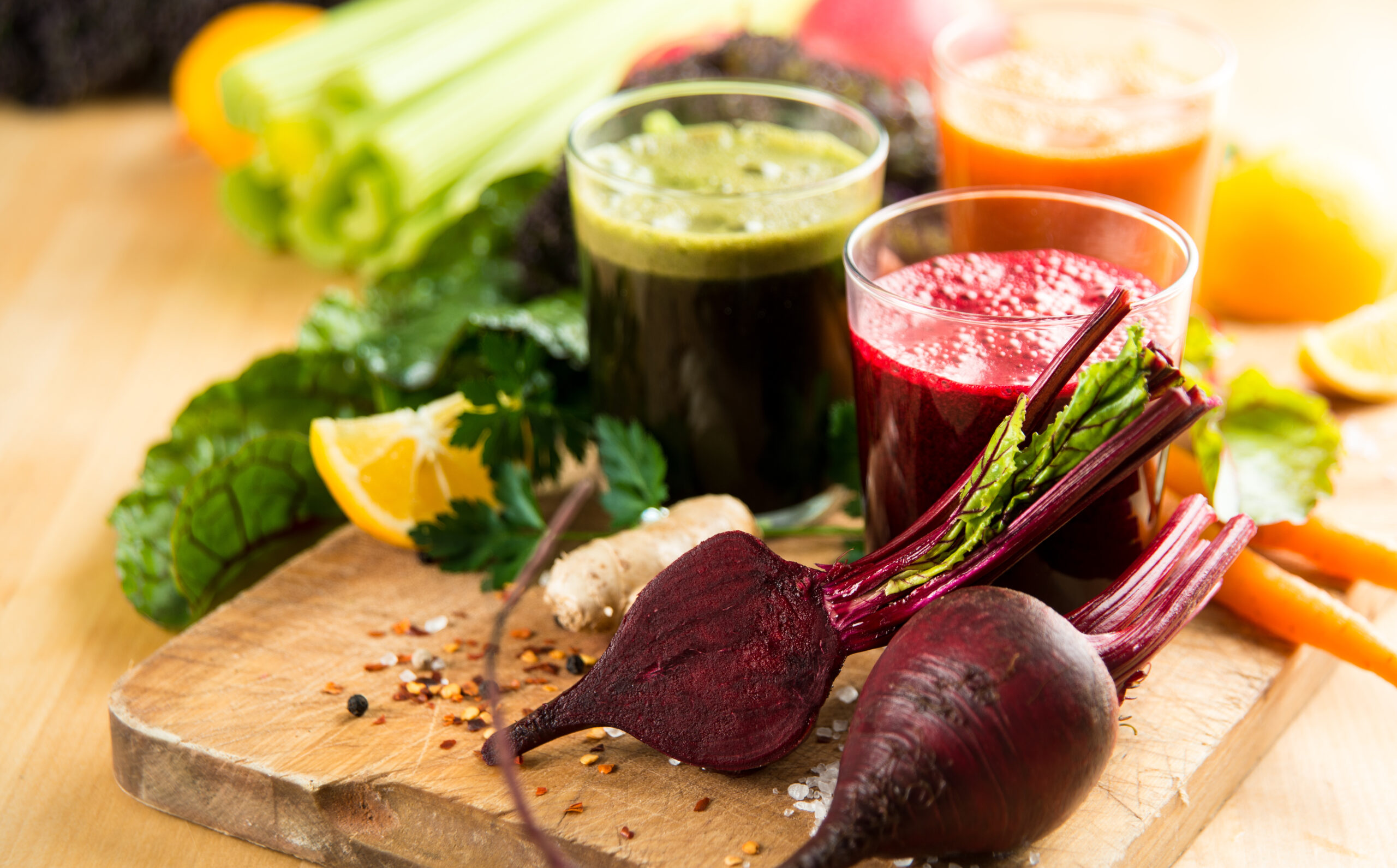
A recent meta-analysis reveals that certain colorful foods can slash your risk of cognitive decline by up to 27 percent—and they’re sitting in your grocery store right now.
Story Highlights
- Flavonoid-rich foods reduce cognitive decline risk by 17% overall, with anthocyanins showing 27% reduction
- Berries, red peppers, celery, and artichokes contain the most protective compounds
- Just half a serving daily of these foods can provide significant brain protection
- Research analyzed 37 studies and tracked over 75,000 adults for decades
The Purple and Red Powerhouses Leading the Pack
Anthocyanins steal the spotlight in this cognitive protection story. These compounds give blueberries, strawberries, and red grapes their vibrant colors—and they pack the biggest brain-protecting punch. The meta-analysis published in Molecular Nutrition & Food Research found that people who regularly consumed anthocyanin-rich foods experienced a 27% lower risk of cognitive decline compared to those who ate fewer of these colorful champions.
Harvard researcher Walter Willett calls flavonoids “powerhouses” for brain health, emphasizing that simple dietary shifts could help millions prevent cognitive decline. The science backs up his enthusiasm—these natural plant compounds work by enhancing blood flow to the brain and potentially reducing harmful beta-amyloid plaque accumulation that characterizes Alzheimer’s disease.
Your Brain’s Best Friends in the Produce Aisle
Flavones, found in celery, artichokes, and red peppers, scored nearly as high as anthocyanins with a 23% risk reduction. The beauty of this research lies in its practicality—you don’t need exotic superfoods or expensive supplements. Regular grocery store staples like oranges, apples, pears, and bell peppers contain these protective compounds in meaningful concentrations.
The research reveals that consuming just 164 milligrams of anthocyanins daily—roughly equivalent to half a cup of fresh blueberries—provides measurable cognitive benefits. For flavones, the protective threshold sits around similar modest portions of peppers or celery. This isn’t about overhauling your entire diet; it’s about strategic additions that pack outsized benefits.
Watch:
Start your health journey now.
The Science Behind the Protection
The comprehensive analysis examined 37 different studies, creating one of the most robust pictures yet of how plant compounds protect aging brains. Participants who maintained higher flavonoid intake showed cognitive performance equivalent to being 3-4 years younger than their chronological age. These aren’t marginal improvements—they represent meaningful preservation of memory, processing speed, and executive function.
Flavonoids work through multiple protective mechanisms. They act as antioxidants, neutralizing harmful free radicals that damage brain cells over time. More importantly, they improve cerebral blood flow, ensuring brain tissues receive adequate oxygen and nutrients. Some research suggests these compounds may also interfere with the formation of tau tangles and amyloid plaques—the hallmark brain lesions found in Alzheimer’s disease.
Meet My Healthy Doc – instant answers, anytime, anywhere.
Building Your Cognitive Protection Grocery List
Transform your shopping routine by prioritizing color variety in the produce section. Deep purple and blue fruits like blueberries, blackberries, and dark grapes top the anthocyanin charts. Red and orange peppers provide flavones alongside vitamin C. Don’t overlook humble celery—its flavone content rivals more exotic vegetables at a fraction of the cost.
The research aligns perfectly with established dietary patterns like the MIND diet, which emphasizes berries and leafy greens for brain health. Previous studies following this approach showed up to 53% lower Alzheimer’s risk, reinforcing that cognitive protection doesn’t require complicated meal planning—just consistent choices favoring colorful, whole plant foods over processed alternatives.
Your new health companion is online, ready when you are.
Sources:
Flavonoids May Help Prevent Cognitive Decline, Research Shows
American Academy of Neurology Press Release
UCLA Health: Eating Color to Prevent Cognitive Decline
WellMed Healthcare: 7 Foods That Can Fight Dementia
Alzheimer’s Association: Whole Grains May Lower Risk
ABC News: High-Fat Dairy Linked to Lower Dementia Risk
UNC Medicine: High-Fat Diet Effects on Brain Health