

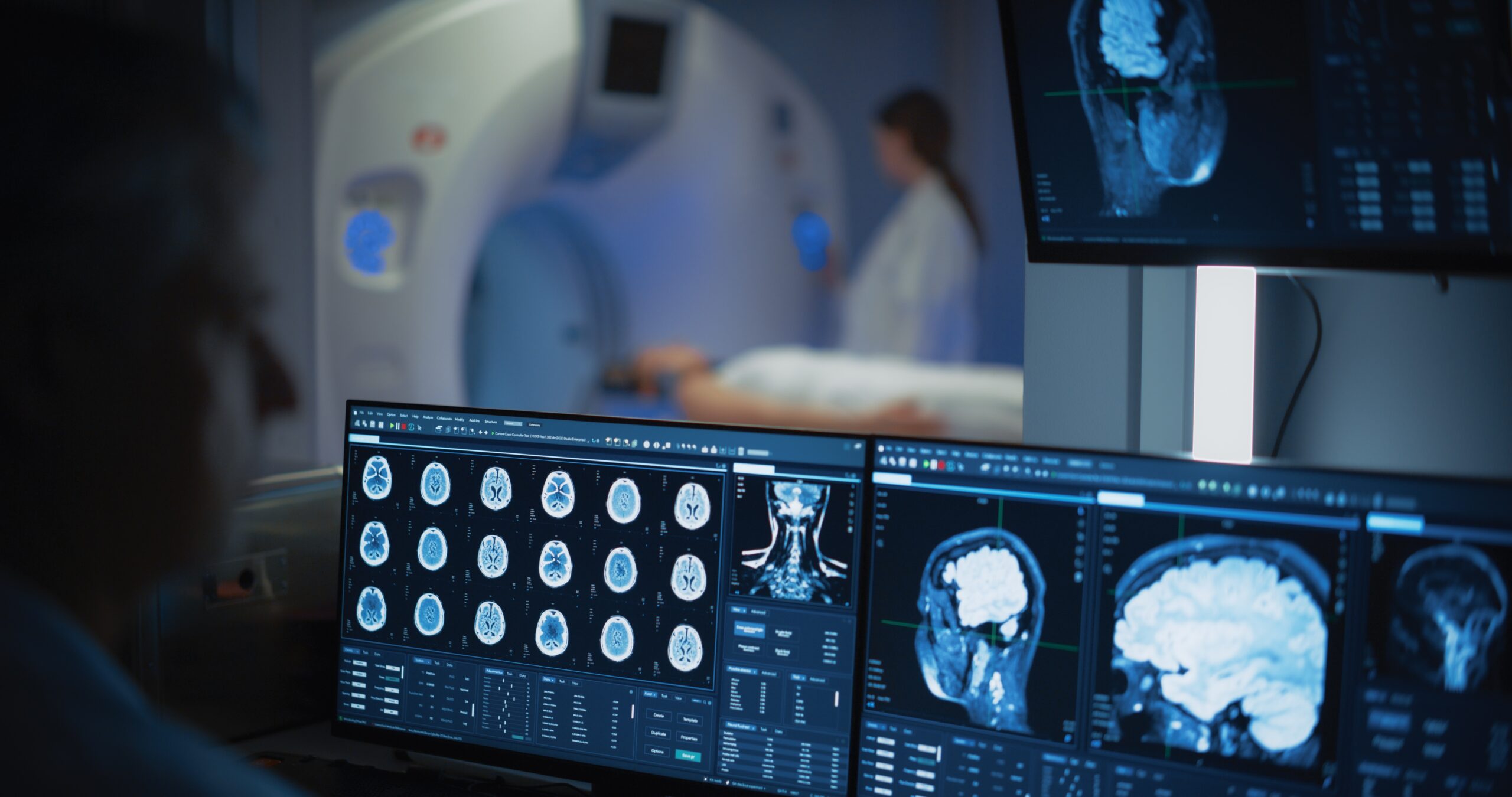
Your brain’s ability to change itself could be the key to achieving your most ambitious goals.
Story Overview
- Neuroplasticity allows the brain to change its structure and function based on experiences.
- Specific, challenging goals enhance performance by engaging brain systems for control and reward.
- Behavioral strategies like visualization and habit design are backed by neuroscience.
- Clinical technologies aim to rewire brain circuits for serious conditions.
Understanding Neuroplasticity
Neuroplasticity, the brain’s ability to adapt and rewire itself, is a concept that has evolved significantly from the late 19th century to today. Initially dismissed as a fixed entity after early development, the brain is now known to be malleable throughout life. This discovery has profound implications for personal and professional development, as it opens the door to actively shaping our brains to achieve our goals.
Research shows that neuroplasticity is not just a theory but a tangible process. By repeatedly engaging in specific thought and behavior patterns, we can remodel our neural pathways to align with our objectives. Techniques such as deliberate practice and “if-then” planning have shown remarkable success in reinforcing goal-oriented behaviors.
The Role of Goal-Setting
Goal-Setting Theory, developed in the 1960s, revolutionized our understanding of motivation and achievement. Specific, challenging goals are proven to enhance performance more effectively than vague intentions. This is due to their ability to engage the brain’s prefrontal cortex, responsible for planning and control, and the reward centers, which drive motivation.
Recent neuroscience has further clarified why certain goal-setting methods work. Implementation intentions, for instance, automate responses to specific cues, reducing decision fatigue and increasing the likelihood of success. The integration of cognitive and motivational dimensions into goal pursuit models has provided a comprehensive framework for effective behavior change.
Behavioral Strategies and Clinical Interventions
For individuals aiming to enhance their personal or professional lives, various neuroscience-backed strategies are available. Visualization, habit design, and reward scheduling are practical approaches that harness neuroplasticity. Repetition and attention are key, as they strengthen neural connections related to desired behaviors.
On the clinical front, advanced technologies such as vagus nerve stimulators offer targeted rewiring for individuals with specific conditions like PTSD or stroke. These interventions shift the focus from chemical treatment to precise circuit modification, promising more personalized and effective outcomes.
Watch:
Meet My Healthy Doc – instant answers, anytime, anywhere.
Implications for the Future
The implications of these findings extend far beyond individual behavior change. In the short term, understanding the brain’s wiring can transform how we approach personal development, reducing the stigma of failure and enhancing self-efficacy. For the health and wellness sectors, the demand for neuroscience-informed programs is on the rise, promoting evidence-based strategies.
In the long run, the maturation of circuit-targeting therapies could revolutionize rehabilitation and mental health treatment. As these tools become more accessible, they promise to improve outcomes for various conditions and reduce reliance on broad-spectrum drugs. Education and workplace environments may also benefit from structured, neuroscience-informed goal-setting protocols, further embedding these scientific insights into everyday practices.
Your instant doctor companion – online 24 hours a day.
Sources:
Mind Lab Neuroscience
Physiology.org
Mind Body Green
PMC
Brainz Magazine
Healthy Aging Center
UAB News