

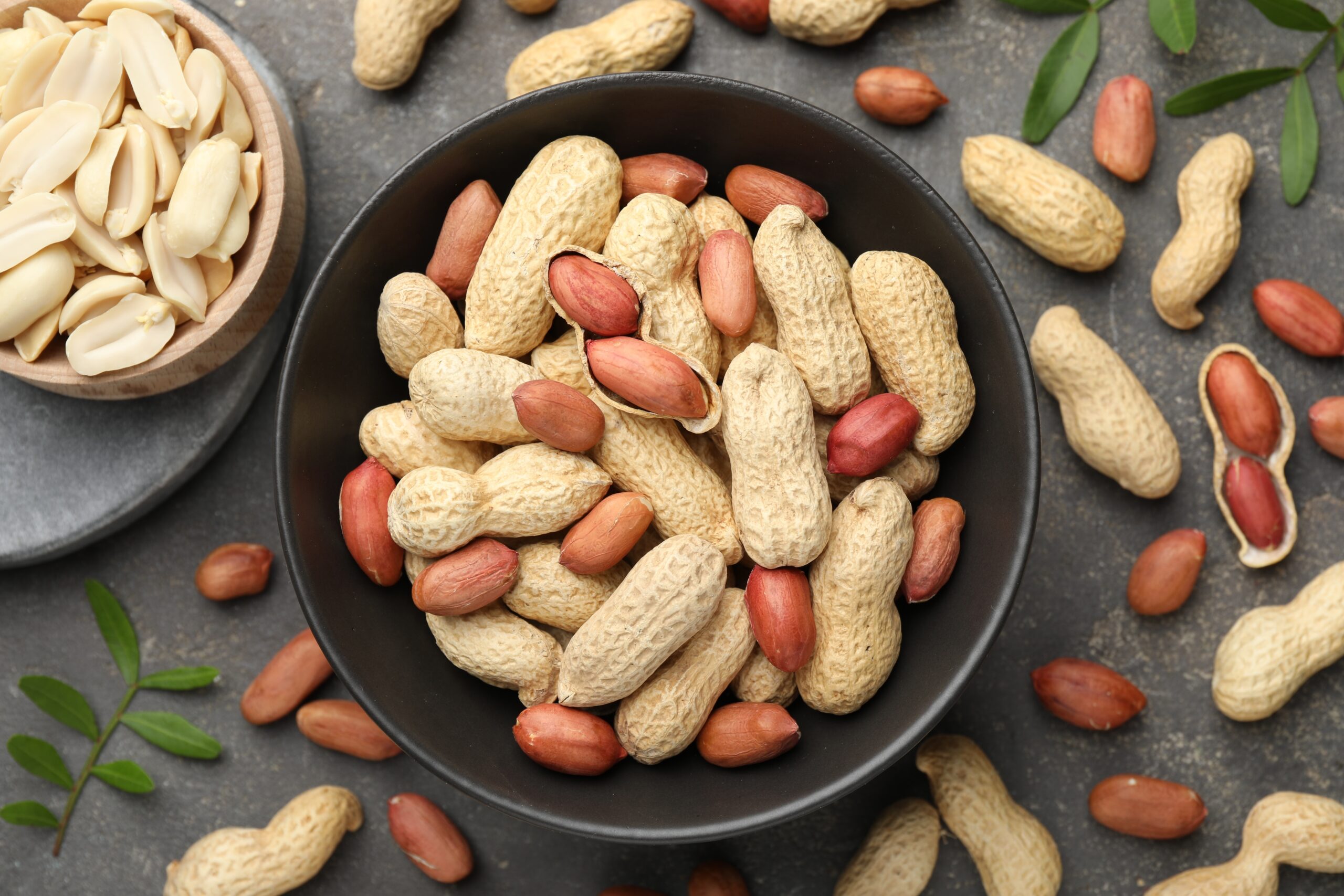
A humble snack sitting in your pantry may hold the key to sharper memory and better brain health as you age—and it costs less than your daily coffee.
Story Highlights
- Daily peanut consumption significantly boosted brain blood flow and verbal memory in older adults during a 16-week clinical trial
- Participants ate just 60 grams of unsalted, skin-on roasted peanuts daily—roughly two handfuls
- The study also showed improvements in blood pressure without significant weight gain despite added calories
- Results suggest an accessible alternative to expensive brain supplements for cognitive health
The Surprising Power of Peanuts
Researchers at Maastricht University Medical Center conducted a rigorous 16-week study with 31 healthy older adults, measuring something most brain health studies overlook—actual blood flow to the brain. The participants who consumed 60 grams of unsalted, skin-on roasted peanuts daily showed measurable improvements in cerebral blood flow, a critical marker for brain vascular health that directly impacts cognitive function.
Dr. Peter Joris from the Department of Nutrition and Movement Sciences emphasized that improved cerebral blood flow represents a significant finding in the fight against age-related cognitive decline. Better blood flow means more oxygen and nutrients reaching brain tissue, potentially reducing dementia risk and supporting memory formation.
Popular daily snack found to boost brain blood flow in older adults, new study shows https://t.co/HGFvNnydKE #FoxNews
— Lucha libre (@Luchalibre42896) December 3, 2025
Got a health question? Ask our AI doctor instantly, it’s free.
Memory Benefits Beyond Blood Flow
The study participants didn’t just see improved circulation—their verbal memory performance increased significantly compared to the control group. This cognitive enhancement occurred alongside reductions in blood pressure, creating a dual benefit for both brain and cardiovascular health. The research, published in Clinical Nutrition, represents one of the first studies to demonstrate such clear neurological benefits from regular peanut consumption.
What makes these findings particularly compelling is their practicality. Unlike expensive nootropic supplements or hard-to-find superfoods, peanuts cost pennies per serving and are available in every grocery store. The specific preparation matters though—researchers used unsalted, skin-on roasted peanuts, preserving the natural compounds that contribute to their health benefits.
Watch:
Why Peanuts Work When Supplements Don’t
Peanuts contain a unique combination of nutrients that work synergistically to support brain health. They’re rich in niacin, folate, and vitamin E—all compounds linked to cognitive function. The resveratrol in peanut skins provides additional antioxidant protection, while healthy fats support the absorption of fat-soluble vitamins crucial for neural health.
The study’s methodology addressed a common weakness in nutrition research—it measured actual physiological changes rather than relying solely on cognitive tests or self-reported improvements. Using advanced imaging techniques, researchers tracked blood flow changes in real-time, providing objective evidence of peanuts’ vascular benefits. This approach offers more reliable data than studies that depend on participants’ subjective assessments of their mental clarity or memory.
Get fast, reliable health advice from your AI doctor now.
Practical Implementation Without Weight Gain
One concern with adding any snack to a daily routine is unwanted weight gain, but study participants didn’t experience significant weight increases despite consuming an additional 300+ calories daily from peanuts. This suggests that peanuts’ protein and fiber content may increase satiety, naturally reducing consumption of other foods throughout the day.
The 60-gram serving size represents about two small handfuls—a reasonable portion that fits easily into most eating patterns. Timing doesn’t appear critical, making this intervention simple to maintain long-term. The key is consistency rather than perfection, with daily consumption providing cumulative benefits over the 16-week study period. Try this with our instant doctor companion – online 24 hours a day.
Sources:
The Independent – Peanuts brain function study
AOL – Popular daily snack found boost
Daniel Dashnaw Couples Therapy – The peanut study