
Artificial intelligence systems now diagnose brain emergencies from MRI scans in mere seconds, achieving accuracy rates that surpass human radiologists in detecting life-threatening conditions like strokes and hemorrhages.
Story Highlights
- University of Michigan AI model reads brain MRIs in seconds with 97.5% accuracy for urgency prediction
- FDA-cleared portable MRI systems bring emergency brain scanning directly to bedsides
- New technology detects small strokes and bleeding invisible to traditional methods
- Medicare coverage denials threaten to block patient access despite proven clinical benefits
Breakthrough Technology Saves Critical Minutes
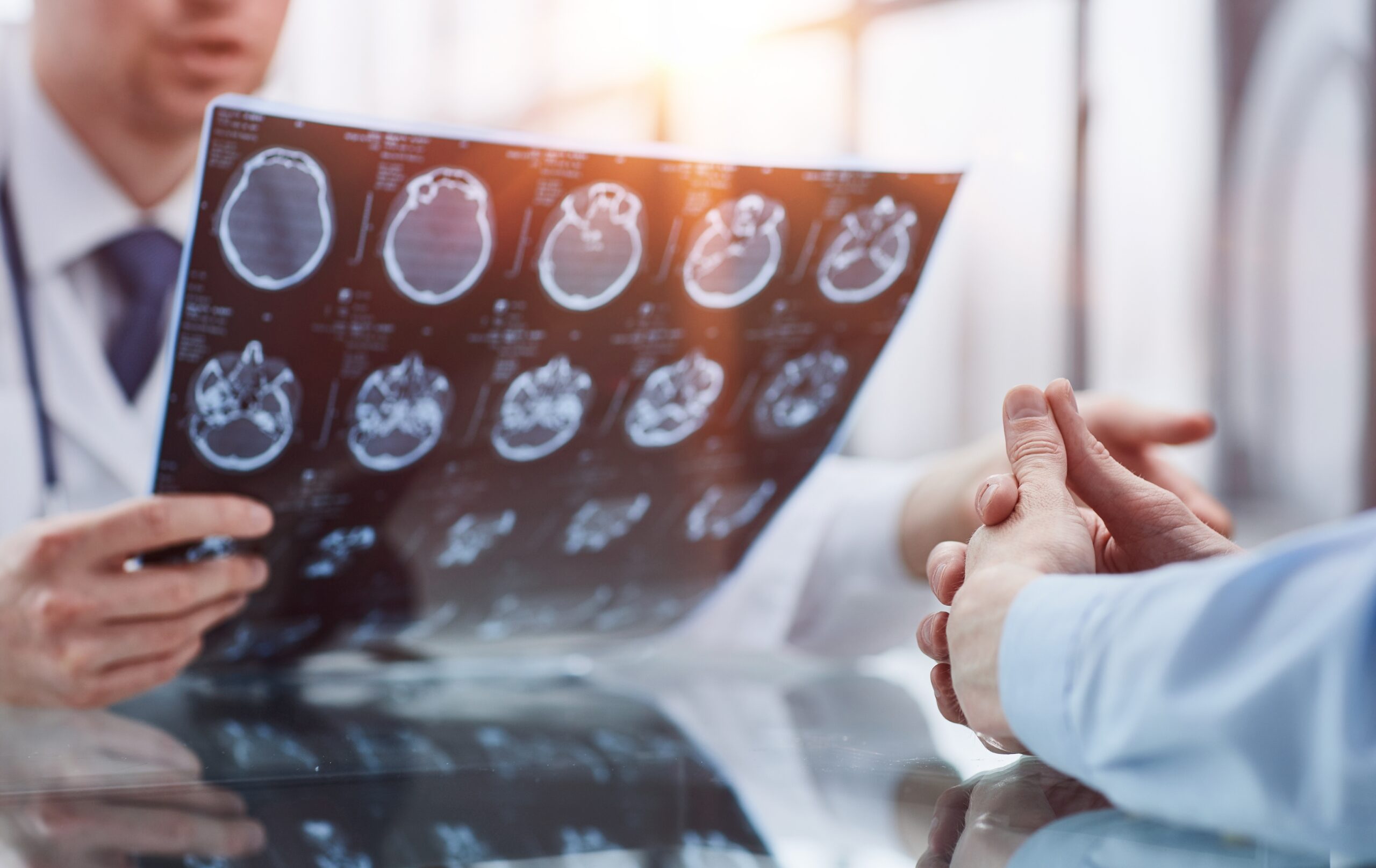
University of Michigan Medicine researchers developed an artificial intelligence model that reads and diagnoses brain MRI scans within seconds, achieving 97.5% accuracy in predicting which neurological conditions require urgent intervention. The system processes imaging data almost instantaneously, flagging critical conditions such as strokes, traumatic brain injuries, and intracranial hemorrhages while scans transmit to hospital systems. This technology compresses what traditionally required minutes into seconds, directly addressing the reality that every minute counts when brain tissue dies from lack of oxygen during stroke emergencies.
Watch:
Hyperfine Inc. received FDA clearance on January 20, 2026, for software updates to its Swoop portable MRI system, enabling bedside brain scanning in emergency departments. Clinical trials demonstrated the portable system’s capability to identify small stroke lesions quickly, representing the largest dataset evaluation for portable MRI stroke detection. The technology brings sophisticated brain imaging directly to patients who cannot safely travel to traditional MRI suites, eliminating dangerous delays for critically ill individuals.
Meet My Healthy Doc – instant answers, anytime, anywhere.
Multiple AI Systems Target Emergency Diagnosis
Harvard Medical School and Massachusetts General Brigham unveiled BrainIAC in February 2026, an AI foundation model analyzing routine MRI scans to predict brain age, dementia risk, and other conditions from data on 49,000 scans. UCSF researchers presented technology in October 2024 that enhances standard 3-Tesla MRI images to match the quality of rare 7-Tesla machines, improving visualization of traumatic brain injury lesions and multiple sclerosis damage. These advances build on earlier AI systems for CT stroke detection, evolving emergency radiology from auxiliary tools into real-time diagnostic partners.
The AI systems auto-generate reports, push mobile alerts to physicians for critical findings like hemorrhages or arterial dissections, and integrate seamlessly with hospital PACS imaging networks. Emergency departments face mounting data volumes during off-hours when cognitive bias and staffing limitations create diagnostic bottlenecks. Studies confirm these AI tools outperform novice readers in detecting subtle early ischemic stroke signs that human eyes frequently miss, identifying patterns imperceptible to traditional analysis methods.
Your instant doctor companion – online 24 hours a day.
Efficiency Gains Face Bureaucratic Obstacles
The technology promises substantial cost savings through faster triage and reduced intervention times, enabling treatments within the critical “golden hours” when brain damage remains reversible. Portable systems particularly benefit underserved areas lacking access to advanced imaging facilities, expanding stroke care beyond major medical centers. Radiologists gain the ability to offload routine emergency reads to AI systems, focusing human expertise on complex cases requiring nuanced judgment and clinical context that machines cannot replicate.
AI reads brain MRIs in seconds and flags emergencies
┈┈┈┈┈┈┈┈┈┈┈┈┈┈┈┈ 🔴
Researchers at the University of Michigan have developed Prima, an artificial intelligence system that can analyze brain MRI scans in seconds, identifying neurological conditions and… pic.twitter.com/8w2twCgQYl— Science Joy (@InsideOurBodies) February 10, 2026
National Government Services proposed denying Medicare coverage for AI-powered brain MRI examinations despite FDA clearances and clinical validation, creating a policy conflict between cost-control priorities and innovation access. The American College of Radiology influences coverage decisions that determine whether patients can benefit from these technologies or face rationing based on bureaucratic assessments rather than medical evidence. This represents a troubling pattern where government agencies impede access to proven technologies, forcing patients and physicians to navigate regulatory obstacles while brain emergencies demand immediate action.
Sources:
Artificial Intelligence in Emergency Radiology: A Comprehensive Review
Enhancing MRI with AI to Improve Diagnosis of Brain Disorders
New AI Tool Predicts Brain Age, Dementia Risk, Cancer Survival
Portable MRI Shows Promise for Detecting Strokes in Emergency Settings
Hyperfine’s Swoop Portable MRI System Evaluated for Enhanced Stroke Detection
AI Algorithm Enables Tracking of Brainstem White Matter
AI That Reads Brain MRIs in Seconds Could Transform Neurologic Care
AI Model Can Read and Diagnose Brain MRI in Seconds
NGS Proposes Denying Medicare Coverage for AI-Powered Brain MRI Exams
Hyperfine Receives FDA Clearance for Software Update to Portable MRI System