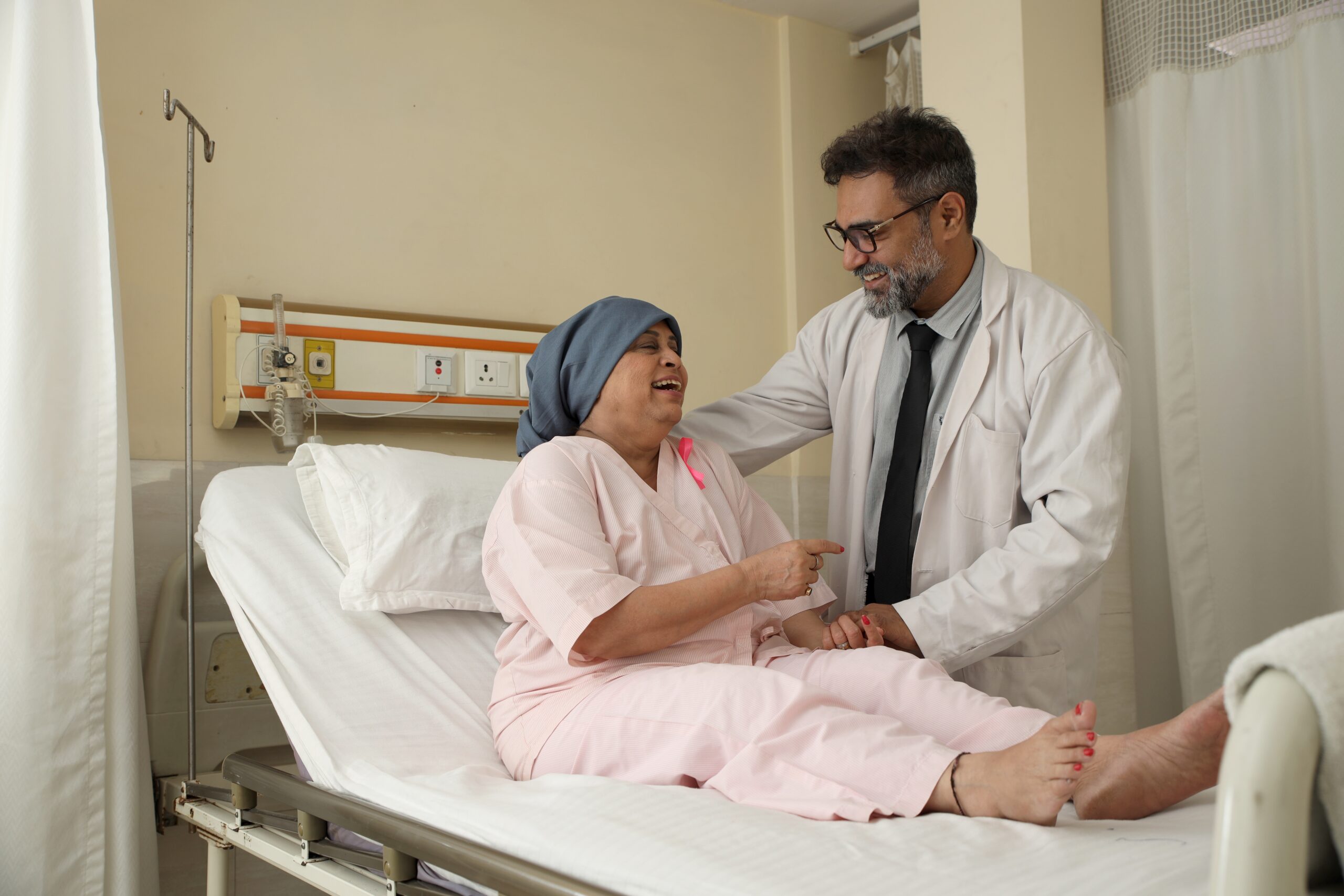


The simple act of walking more, quitting smoking, or eating better after a cancer diagnosis can reduce your risk of dying from cancer by up to 60 percent—and it costs nothing.
Story Highlights
- Post-diagnosis lifestyle changes reduce cancer death risk by 28-60% across multiple cancer types
- Physical activity and smoking cessation show the strongest, most consistent survival benefits
- Benefits occur even in aggressive cancers and high-risk patients who improve habits after diagnosis
- These interventions cost little to nothing compared to standard cancer treatments
The Evidence That Changes Everything
Cancer survivors face a stark reality: their daily choices after diagnosis significantly influence whether they live or die. A comprehensive 2024 meta-analysis examining lifestyle modifications and cancer mortality found that healthy dietary patterns reduced cancer-specific death risk, while physical activity after diagnosis showed even stronger protective effects. Smoking cessation proved especially powerful for lung cancer survivors, cutting cancer mortality risk by 34 percent.
The research dismantles the fatalistic notion that lifestyle changes are pointless after cancer strikes. Multiple studies demonstrate that survivors who adopt healthier behaviors after diagnosis—regardless of their pre-cancer habits—experience measurably better outcomes than those who maintain poor lifestyle patterns.
Physical Activity Delivers the Biggest Impact
Exercise emerges as the most potent lifestyle intervention for cancer survivors. American Institute for Cancer Research reviews show that higher post-diagnosis exercise levels correlate with 28 to 44 percent lower cancer-specific mortality and 21 to 35 percent lower recurrence rates in breast and colorectal cancer survivors. These benefits rival those of many expensive cancer drugs, yet require only consistent movement.
The mechanism extends beyond simple fitness improvements. Physical activity appears to influence tumor biology, immune function, and treatment tolerance. Ongoing trials testing Mediterranean diet plus exercise interventions report improved chemotherapy completion rates and reduced fatigue, suggesting lifestyle changes may enhance standard treatment effectiveness.
Start your health journey now.
High-Risk Patients See Dramatic Results
Even patients with aggressive cancers benefit substantially from lifestyle modifications. A landmark study in JAMA Network Open followed high-risk breast cancer patients through chemotherapy and beyond, tracking their adherence to cancer-prevention lifestyle recommendations. Survivors with strong lifestyle adherence experienced a 58 percent reduction in mortality and 37 percent reduction in disease recurrence compared to those with poor habits.
The benefits transcended demographic boundaries, remaining consistent across racial, educational, and menopausal groups. Never smoking and meeting physical activity guidelines produced the most robust associations, each conferring roughly 45 percent lower mortality risk. These findings challenge assumptions that aggressive cancers render lifestyle interventions irrelevant.
Watch:
Meet My Healthy Doc – instant answers, anytime, anywhere.
The American Cancer Society Mandate
Major cancer organizations now formally recommend lifestyle interventions as essential components of survivorship care. The American Cancer Society emphasizes healthy weight maintenance, regular physical activity, quality diet, and limited alcohol consumption based on mounting evidence of survival benefits. Their analysis of over 3,700 survivors with obesity-related cancers found that those improving lifestyle after diagnosis had lower death rates, even if they previously lived unhealthily.
This represents a fundamental shift in cancer care philosophy. Oncology traditionally focused on surgery, radiation, and chemotherapy while treating lifestyle factors as optional wellness additions. Current evidence positions lifestyle modifications as medically necessary interventions that oncologists should prescribe alongside conventional treatments, similar to how cardiologists mandate lifestyle changes after heart attacks.
Your instant doctor companion – online 24 hours a day.
Sources:
Impact of Lifestyle Modifications on Cancer Mortality – PubMed
Lifestyle Adherence and Outcomes in High-Risk Breast Cancer – JAMA Network Open
Healthy Lifestyle Improves Survival from Obesity-Related Cancers – American Cancer Society
Exercise Helps Cancer Patients and Survivors – American Institute for Cancer Research