

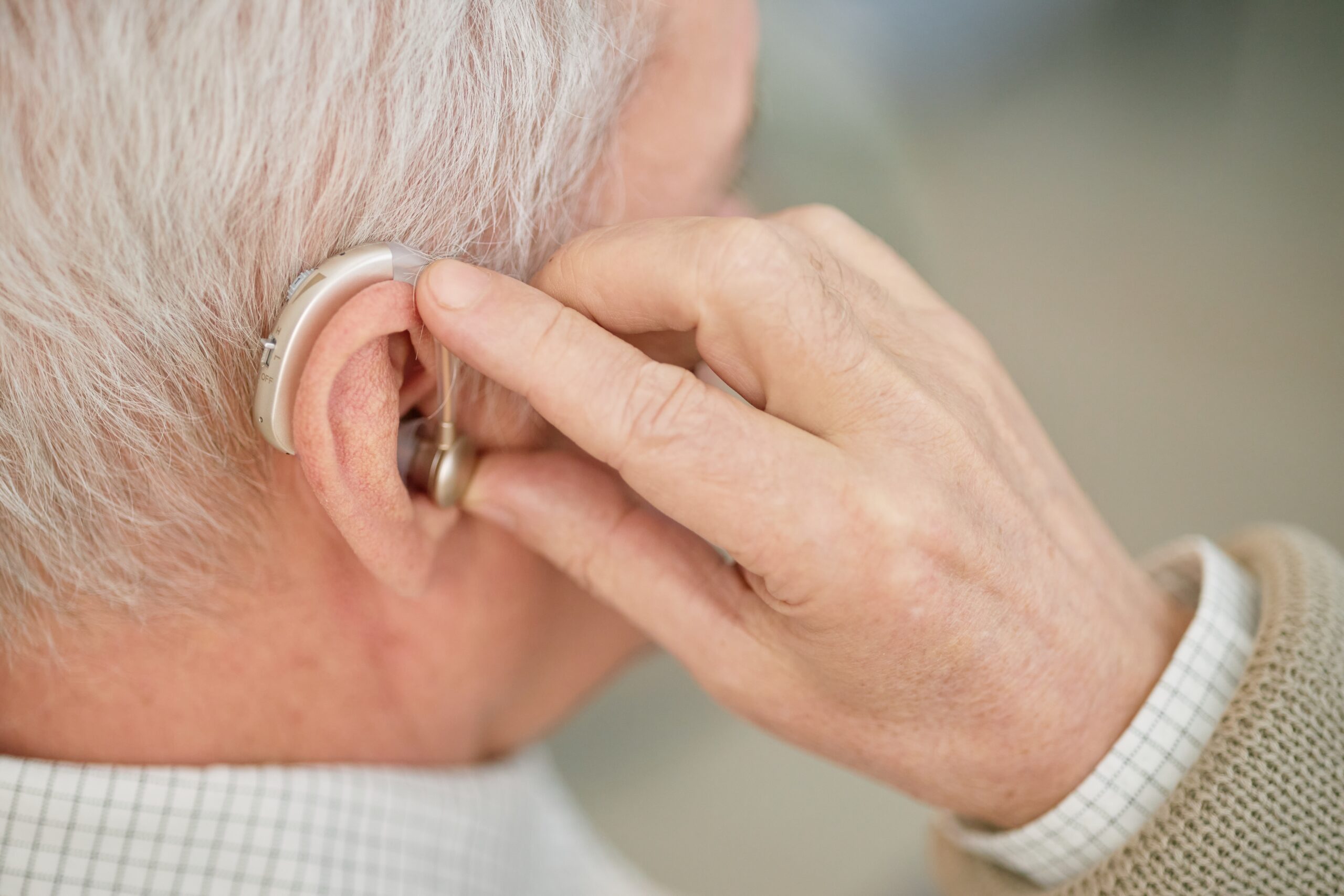
A seven-year study reveals that hearing aids slash dementia risk by one-third, yet they do nothing to improve memory test scores—a puzzle that’s turning everything we thought we knew about brain health upside down.
Story Snapshot
- Hearing aids reduced dementia risk by 33% in older adults with hearing loss over seven years, despite showing zero improvement on cognitive tests
- The protective effect increased proportionally with hearing aid use, suggesting a dose-response relationship rather than coincidence
- Researchers from Monash University tracked 664 participants prescribed hearing aids, discovering the brain benefits work through mechanisms beyond direct cognitive enhancement
- Age matters: separate research shows those under 70 gain a 61% dementia risk reduction, while benefits diminish for older users
The Paradox That Has Scientists Scratching Their Heads
Dr. Joanne Ryan and her team at Monash University published findings in Neurology that defy conventional medical logic. The research followed older adults with moderate hearing loss for seven years, administering annual cognitive tests while tracking dementia diagnoses. Those prescribed hearing aids showed no better performance on memory assessments than their unaided counterparts. Yet when dementia diagnoses rolled in, the hearing aid users enjoyed 33% lower risk. The study also found a 15% reduction in cognitive impairment risk, creating a medical conundrum that challenges how we understand brain protection.
The counterintuitive results forced researchers to rethink their assumptions. Most participants entered the study with good cognitive health, leaving little room for test score improvements. The real action happened elsewhere—in neural pathways and brain structures that standardized tests cannot capture. Ryan acknowledged the puzzle directly, stating that further studies are needed to understand how hearing aids support memory, thinking, and brain health overall when immediate test performance remains unchanged.
Hearing aids didn’t boost memory tests but dementia risk dropped – https://t.co/dRu3vnmZSk
— Ken Gusler (@kgusler) February 10, 2026
Why Your Brain Might Benefit Without the Test Scores Showing It
The disconnect between cognitive test performance and dementia risk points to protection mechanisms operating beneath the surface of measurable memory function. Improved social engagement emerges as a leading candidate—when hearing aids restore conversational ability, users re-enter social circles they had withdrawn from. This social stimulation exercises cognitive networks in ways that formal testing cannot detect. Enhanced quality of life and reduced mental health strain from communication difficulties may further shield brain structures from degenerative processes.
Another compelling explanation involves cognitive load reduction. Straining to hear conversations and environmental sounds taxes mental resources that could otherwise support higher-order thinking. Hearing aids eliminate this constant drain, freeing cognitive capacity even if test scores fail to reflect the change. The brain may redirect these reclaimed resources toward maintenance and repair functions that prevent long-term deterioration. These protective processes unfold gradually, explaining why seven years of follow-up revealed benefits that single-session cognitive assessments missed entirely.
Meet My Healthy Doc – instant answers, anytime, anywhere.
The Dose-Response Relationship That Strengthens the Case
The study uncovered a critical pattern: dementia risk declined proportionally with increased hearing aid use. Participants who wore their devices consistently showed greater protection than occasional users, while those who rarely used prescribed hearing aids gained minimal benefit. This dose-response relationship suggests causation rather than mere association, though researchers appropriately caution that residual confounding cannot be ruled out entirely. The finding aligns with common sense—interventions that truly work typically show graduated effects based on adherence and intensity.
Comparative evidence from the ACHIEVE study and Framingham Heart Study analysis reinforces these observations while adding important nuance. The Framingham research documented a striking 61% dementia risk reduction among hearing aid users under 70 over a 20-year period. The current study found weaker associations in those 70 and older, pointing to age as a critical moderating factor. Early intervention appears substantially more effective, suggesting that waiting until advanced age diminishes the protective benefits hearing aids can provide.
Got a health question? Ask our AI doctor instantly, it’s free.
What This Means for Healthcare and Public Policy
The research carries immediate implications for clinical practice and patient counseling. Healthcare providers can now offer evidence-based recommendations for hearing aid use as a dementia prevention strategy, while properly managing patient expectations about cognitive test performance. The findings shift the conversation from immediate memory enhancement to long-term brain health preservation—a distinction that matters when insurance coverage and out-of-pocket costs influence treatment decisions. Hearing loss screening in aging populations gains new urgency when viewed through this preventive lens.
Long-term economic and policy considerations loom large as healthcare systems grapple with exploding dementia costs. Early hearing aid intervention could reduce downstream expenses associated with dementia care, creating a compelling case for expanded coverage and earlier screening protocols. The Framingham findings underscore the importance of intervention before age 70, when protective effects reach maximum potency.
Watch;
Chat safely, anytime, with My Healthy Doc.
Sources:
This Device Might Help Seniors Avoid Dementia, Study Finds – Powers Health
PubMed – Hearing Aid Use and Risk of Dementia and Cognitive Impairment
Hearing Aids May Lower Your Alzheimer’s Risk – AlzInfo
Large-Scale Study Suggests Protective Benefit of Hearing Aids – Neurology Live
Hearing Aids Didn’t Boost Memory Tests but Dementia Risk Dropped – ScienceDaily
Hearing Aid Use May Reduce Risk for Dementia, Cognitive Impairment – American Academy of Neurology
Hearing Aid Use and Risk of Dementia and Cognitive Impairment – Neurology
Association of Hearing Aids With Cognitive Decline and Dementia – JAMA Network