

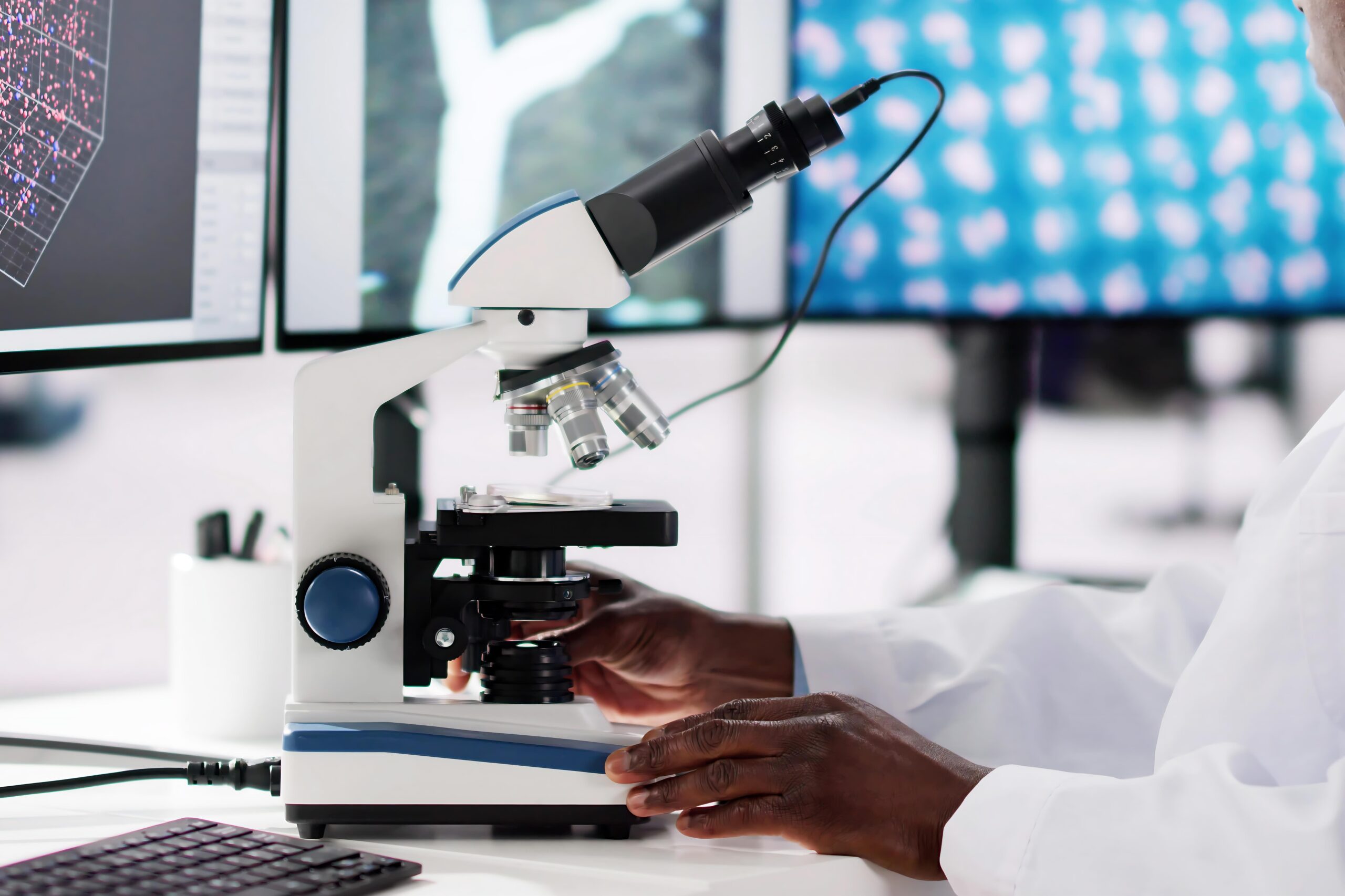
Imagine a future where a lab-grown “blood factory” the size of a matchstick quietly churns out human blood cells, rewriting the rules of medicine and aging in one stroke.
Story Snapshot
- Scientists have successfully engineered a miniature, functional human bone marrow system in the lab.
- This “mini marrow” sustains real blood production for weeks, echoing the complex processes inside human bones.
- The breakthrough opens new doors for understanding blood diseases, testing drugs, and even personalizing treatments.
- The tiny lab-grown organ hints at future therapies for cancer, aging, and rare blood disorders.
Lab-Grown Bone Marrow: From Science Fiction to Scientific Fact
Researchers have pulled off a feat once reserved for science fiction: they’ve built a living, working replica of human bone marrow small enough to balance on your fingertip. This “mini marrow” isn’t just a collection of cells in a dish—it’s a structurally faithful copy of the spongy tissue deep inside your bones, complete with the full cast of blood-making cells and the molecular signals that orchestrate their production. Unlike previous models, this one doesn’t fizzle out in a few days. It keeps manufacturing blood cells for weeks, mimicking the real thing in both form and function. This advance is more than a technical curiosity. It provides a living window into the hidden drama of blood formation and opens a new testbed for fighting disease.
Watch:
Why a Working Blood Factory Changes the Game
Blood is the body’s lifeline, yet making it outside the body has always been one of medicine’s white whales. Bone marrow transplants can cure leukemia and other blood cancers, but matching donors and managing rejection remain major obstacles. Growing personalized marrow in the lab could one day leapfrog these challenges, letting doctors tailor treatments for each patient. Imagine testing a cancer drug on your own mini marrow before risking side effects. Or repairing aging blood systems by rejuvenating stem cells in a dish, then returning them to your body. The potential stakes are enormous, from saving lives in the ER to halting the slow decline that comes with age.
Unlocking the Secrets of Blood Diseases and Aging
Every year, millions grapple with blood disorders that doctors barely understand, let alone cure. Sickle-cell anemia, aplastic anemia, and mysterious immune failures all have their roots in malfunctioning bone marrow. With a working mini marrow, researchers can watch these failures unfold in real time, testing how mutations, toxins, or drugs change the fate of blood stem cells. The system’s longevity means scientists can finally see how slow, subtle shifts add up to catastrophic disease—or, just maybe, how to reverse them before they start. By comparing young and old mini marrows in the lab, scientists can pinpoint what goes wrong and probe ways to reset the system.
The Road Ahead: From Laboratory to Clinic
No one expects to see entire bone marrows grown to order next month. Scaling up this technology, ensuring safety, and learning to integrate lab-grown tissue with living bodies remain daunting challenges. Yet this miniature blood factory marks a turning point. What was once a black box—hidden inside our bones, untouchable except by risky biopsies—can now be studied, manipulated, and, one day, fixed. The ripple effects may be biggest in personalized medicine, where your own cells could be tested, treated, and rejuvenated outside your body before being transplanted back. As with all medical revolutions, the first step is seeing the machinery in action. Now, for the first time, the gears and levers of the blood factory are turning in plain sight.
Sources:
https://www.sciencedaily.com/releases/2025/11/251120092103.htm