

Forget everything you’ve been told about needing to lift the heaviest weight in the gym—science reveals that how hard you work and what you eat matter far more than the numbers on the barbell.
Quick Take
- Resistance training stimulus and proper nutrition are the two non-negotiable foundations for muscle growth, not training volume or exercise variety
- Intensity of effort—lifting with focused muscle contraction near failure—outperforms absolute weight lifted when effort is equalized
- Loads around 70% of maximum strength deliver optimal muscle-building stimulus with less injury risk than maximal loads
- Muscle protein synthesis requires both the training signal and adequate calories plus macronutrients to create positive net protein balance
The Two Pillars: Why Everything Else Is Secondary
Four decades of exercise science research has narrowed muscle growth to two essential components. First, your muscles need an anabolic training stimulus of sufficient intensity. Second, your body requires adequate nutritional support with proper calories and macronutrients. Everything else—exercise order, training time, periodization schemes—produces measurable effects only when these two foundations are solid. Light weights produce zero hypertrophy in muscle fibers. Heavier resistance increases cross-sectional area across all fiber types. But here’s the plot twist: the absolute heaviest weight matters less than how intensely you apply force to moderate loads.
Mechanical Tension: The Actual Signal Your Muscles Hear
The National Strength and Conditioning Association identifies mechanical tension—the resistance used combined with neural activation—as the anabolic stimulus most directly related to muscle growth across both sexes. Your muscles don’t care about ego lifts. They respond to the signal created by applied force. Cambridge University researchers recently identified titin, a giant muscle protein, as the mechanosensor responsible for detecting tension and triggering growth. When titin experiences tension, it toggles into different states, exposing binding sites for signaling molecules that activate muscle protein synthesis. This is your body’s growth switch, and it flips at approximately 70% of your maximum strength—not at 95%.
The Load Sweet Spot: Why 70% Beats Maximum Effort
Cambridge’s mathematical modeling reveals that loads below 70% of maximum strength show precipitously reduced signaling activation. Loads above this threshold lead to rapid exhaustion without proportional gains in growth stimulus. The 70% zone delivers the most efficient stimulus for growth—heavy enough to create mechanical tension, sustainable enough to maintain effort throughout your sets. This finding demolishes the “no pain, no gain” mythology. You can build muscle effectively without grinding out singles at 95% of your maximum. Moderate loads with high effort produce nearly equal muscle gains compared to heavy loads when effort is equalized.
Intensity of Effort: The Variable That Actually Changes Everything
Recent research emphasizes that intensity of effort—lifting to or near failure with focused muscle contraction—may be more important than the absolute weight lifted. Two lifters using different loads can produce nearly identical muscle gains if one trains with high effort while the other coasts. This distinction matters tremendously for accessibility and sustainability. Injured athletes, older adults, and populations unable to lift very heavy loads can achieve muscle growth through moderate weights lifted with genuine effort. The fitness industry’s obsession with maximum loads has obscured this reality for decades.
Nutrition: The Building Blocks and Energy Your Muscles Demand
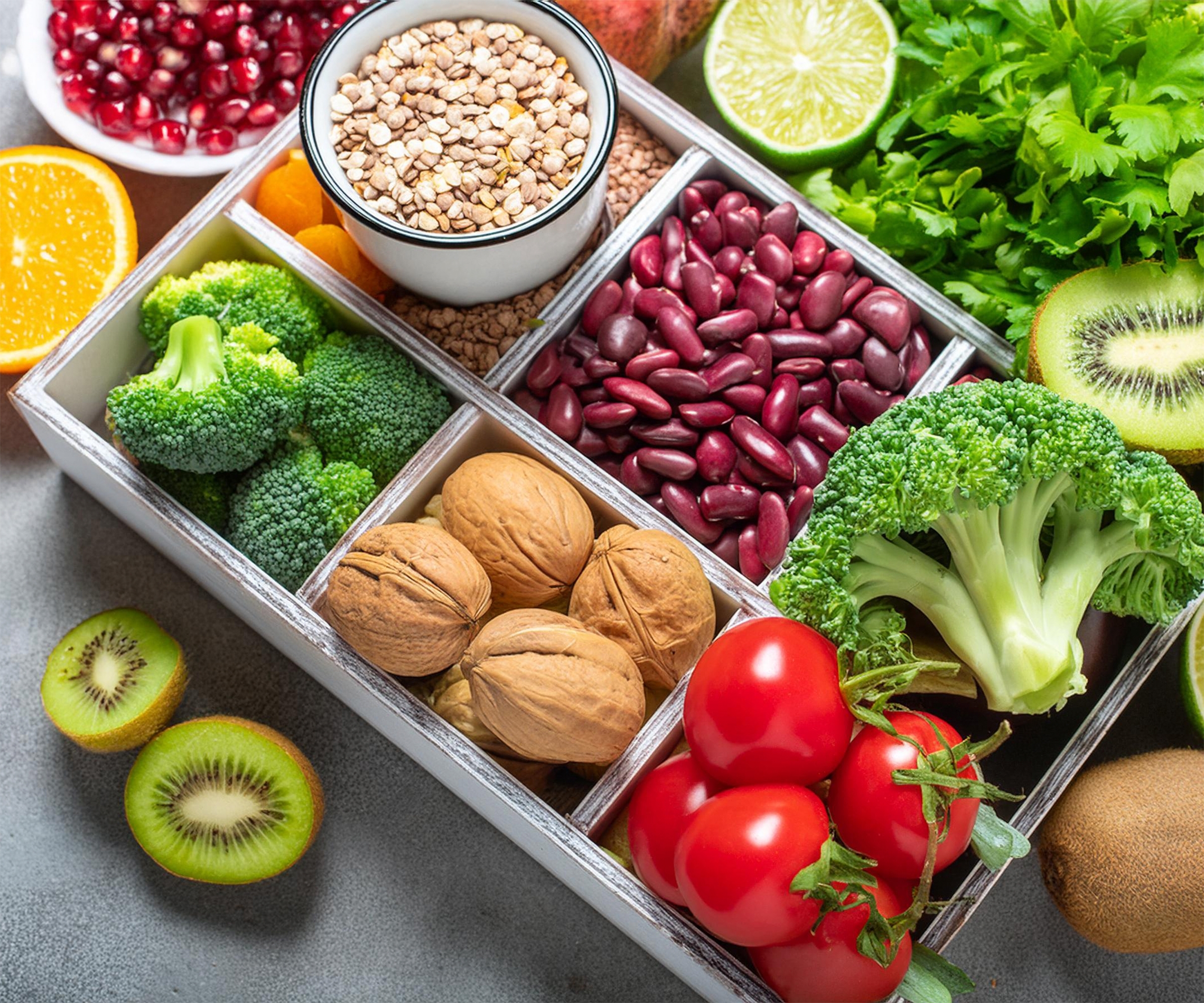
Training stimulus signals growth. Nutrition builds muscle. Muscle hypertrophy occurs when muscle protein synthesis exceeds muscle protein breakdown, creating positive net protein balance. This requires adequate calories, protein intake, carbohydrates for training energy, and fats for hormonal function. Protein intake alongside resistance training is a potent stimulus for muscle protein synthesis. Your body requires carbohydrates, proteins, and fats for optimal muscle repair and remodeling. Skip this component and your training stimulus produces minimal adaptation.
Watch:
The Five-Factor Model: Beyond the Two Pillars
Human Kinetics research identifies five specific factors stimulating muscle growth: stretching tension from eccentric loading, contraction tension from heavy loads, time under tension from moderate loads sustained, muscle burn from metabolic stress, and the muscle pump from nutrient delivery. However, a Frontiers in Sports and Active Living meta-analysis confirms that training volume shows a dose-response relationship with hypertrophy, though effects plateau beyond optimal volumes. Variables like exercise order, time of day, and periodization type show less direct influence on muscle gains. The two pillars matter. Everything else is refinement.
Sources:
National Strength and Conditioning Association: Muscle Growth
Human Kinetics: The Five Factors That Stimulate Muscle Growth
National Center for Biotechnology Information: Muscle Protein Synthesis and Breakdown
Eleiko: Intensity of Effort as Critical Factor for Muscle Mass
Cambridge University: Mathematical Model for Optimal Muscle Building
Frontiers in Sports and Active Living: Training Volume and Hypertrophy Meta-Analysis