

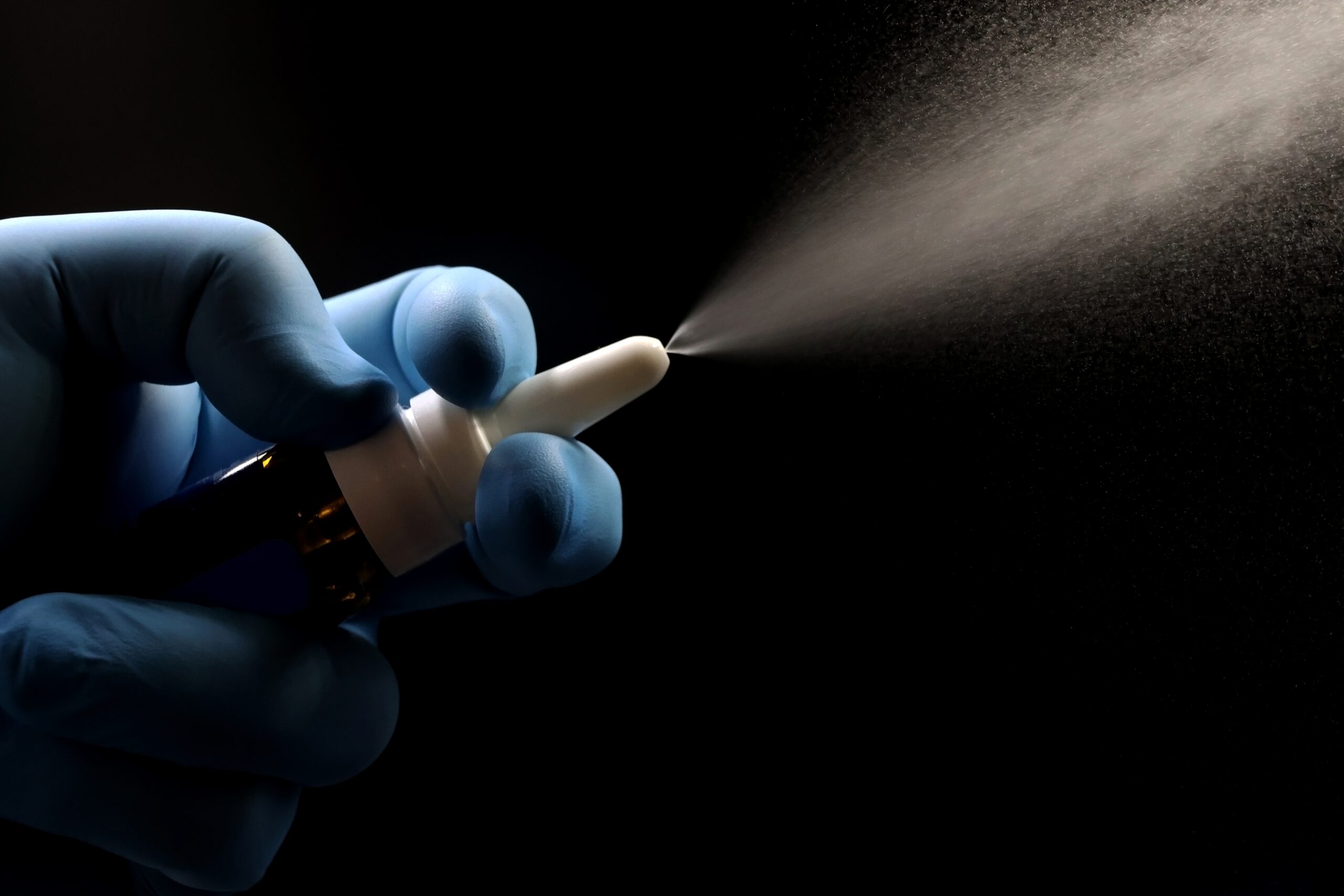
The nasal spray sitting in your medicine cabinet right now could harbor a dangerous bacterial contaminant that somehow made it into over 40,000 bottles distributed nationwide.
Story Snapshot
- Walgreens recalled 41,328 bottles of saline nasal spray contaminated with Pseudomonas lactis bacteria
- The FDA classified this as a Class II recall, meaning temporary or reversible health consequences are possible
- Two specific lot numbers are affected, with expiration dates extending into 2027
- The recall coincides with peak cold and flu season when nasal spray usage spikes dramatically
The Contamination Discovery That Sparked a Nationwide Alert
Medical Products Laboratories, Inc. discovered Pseudomonas lactis bacteria lurking in two production lots of Walgreens Saline Nasal Spray with Xylitol on November 12, 2025. This discovery triggered an immediate voluntary recall of tens of thousands of bottles already sitting on pharmacy shelves and in consumers’ homes across America. The contaminated lots bear numbers 71409 and 71861, with expiration dates of February 28, 2027, and August 31, 2027, respectively.
The bacterial strain found in these nasal sprays tells a peculiar story. Pseudomonas lactis typically associates with raw milk products, not sterile saline solutions designed for nasal passages. This unusual contamination pathway raises questions about how dairy-associated bacteria infiltrated a completely different manufacturing process, though the exact source remains undisclosed by both the manufacturer and regulatory authorities.
Watch:
What Makes This Recall Particularly Concerning
The FDA’s Class II classification signals that while serious harm remains unlikely, temporary or medically reversible health problems could occur. For most healthy adults, exposure might result in minor irritation or infection. However, immunocompromised individuals face elevated risks when Pseudomonas bacteria enter their nasal passages, potentially leading to more severe respiratory complications that could require medical intervention.
The timing amplifies the concern significantly. Cold and flu season drives millions of Americans to reach for nasal sprays, making this contamination discovery particularly troublesome. People already fighting respiratory infections or dealing with compromised immune systems from illness represent the most vulnerable population during this peak usage period.
The Scale and Scope of Consumer Impact
Walgreens distributed these contaminated bottles nationwide, meaning no geographic region escaped potential exposure. The 41,328 affected bottles represent a substantial volume for a single product recall, suggesting either a significant production run or extended distribution period before the contamination discovery. Each 1.5-ounce bottle contains multiple doses, multiplying the potential exposure incidents far beyond the bottle count.
Consumer behavior patterns during illness make this situation more complex. People typically use nasal sprays multiple times daily when congested, often sharing products among family members. This usage pattern could spread bacterial contamination beyond individual users, particularly concerning in households with elderly residents, young children, or anyone with respiratory conditions or weakened immune systems.
Corporate Response and Consumer Protection Measures
Walgreens emphasized that customer safety remains their top priority and initiated the recall “out of an abundance of caution.” The company offers full refunds for returned products, though they haven’t disclosed whether they’ll provide medical monitoring for consumers who used the contaminated sprays. This measured response reflects standard corporate crisis management, but leaves some consumer protection gaps unaddressed. The manufacturer’s voluntary recall demonstrates industry self-regulation working as designed, yet raises questions about quality control processes.