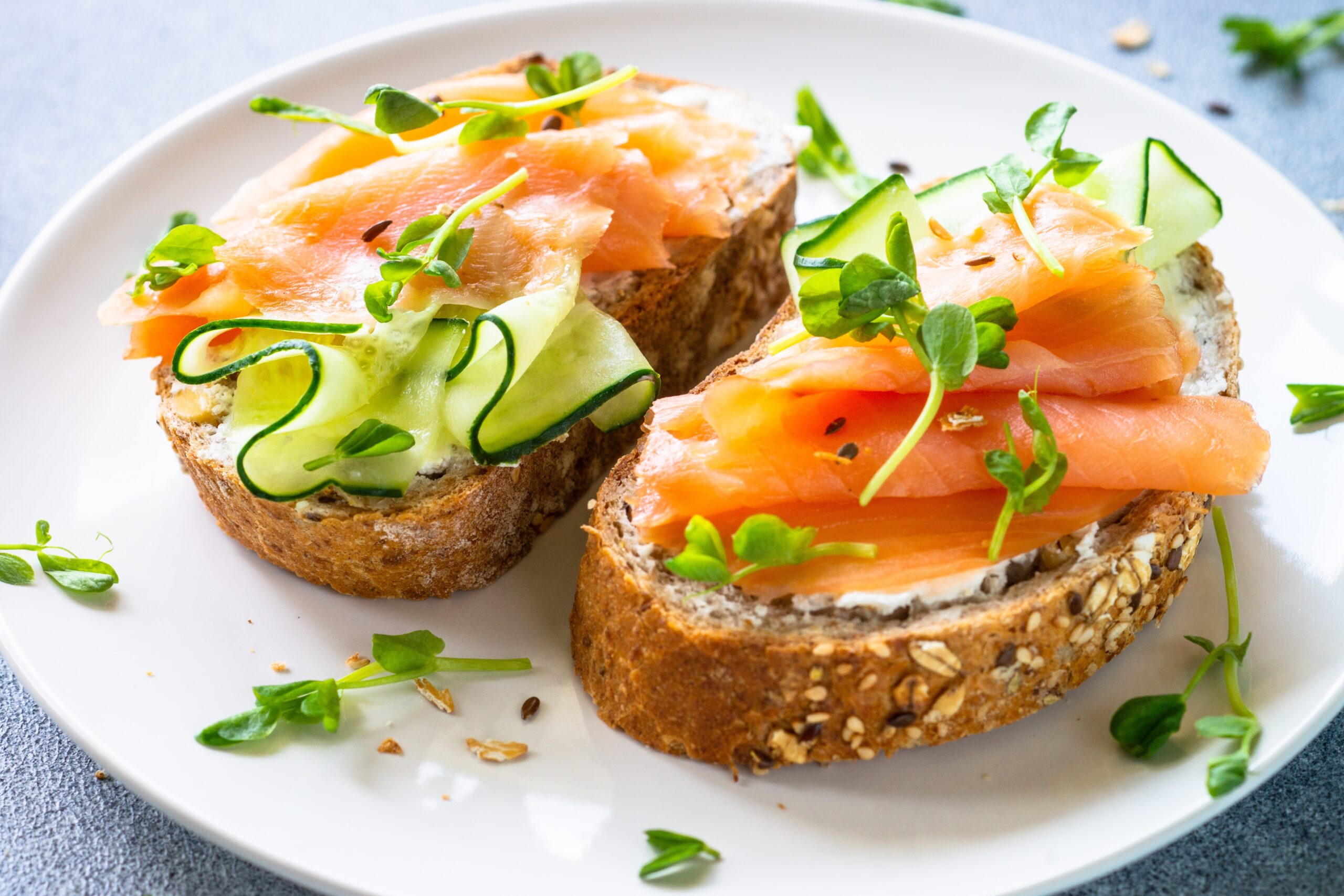
A planet-friendly diet slashed early death risk by 23% in a massive Swedish study, proving everyday food choices can extend life while saving the planet.
Story Snapshot
- Swedish cohort study links highest adherence to Nordic Nutrition Recommendations 2023 (NNR2023) with 23% lower all-cause mortality.
- NNR2023 emphasizes more vegetables, fruits, berries, cereals, nuts, pulses and less meat for health and sustainability.
- Long-term adherence showed 62% mortality reduction over nearly 19 years.
- The practical Nordic model outperforms stricter global diets by fitting cultural realities.
- Validated by UK and global studies projecting millions of lives saved annually.
Swedish Cohort Reveals 23% Mortality Drop
Researchers analyzed nearly 300,000 middle-aged and elderly Swedes with a median 18.8-year follow-up. They created a food-based diet score for NNR2023 adherence. Participants scoring over 10 points faced 23% lower all-cause mortality risk compared to lowest scorers (HR 0.77; 95% CI: 0.74-0.80). Cardiovascular and cancer deaths dropped similarly. The study tracked 30,142 deaths across 6 million person-years, using baseline data around 2009 and repeats in 2019.
NNR2023 Core Components and Mechanisms
NNR2023 developers prioritized planetary health by cutting meat intake and boosting vegetables, fruits, berries, whole grains, nuts, and pulses. Fiber from plants and antioxidants in nuts drive benefits, reducing non-communicable diseases. Unlike rigid EAT-Lancet limits on animal products, NNR2023 adapts to Nordic culture, making high adherence realistic. Baseline adherence yielded 23% risk reduction; sustained habits over a decade cut risk by 62% (HR 0.38).
Watch:
Evolution from EAT-Lancet to Regional Adaptations
The EAT-Lancet Commission launched the Planetary Health Diet in 2019, targeting 40% of global greenhouse gas emissions from food while estimating 11.6 million lives saved yearly. NNR2023 built on this in 2023, integrating land and water use metrics. Nordic councils balanced emissions reduction with non-communicable disease prevention. Walter Willett, Harvard expert and EAT-Lancet co-chair, stresses flexibility for cultural diversity, limiting red meat to once weekly and dairy to once daily.
UK Biobank data from 2025 confirms parallel benefits, linking Planetary Health Diet adherence to lower cancer incidence and cardiovascular mortality, especially with habitual compliance.
This planet friendly diet could cut your risk of early death by 23% https://t.co/JYbO9xP2mA
— 강용원 (@bari_che) February 16, 2026
Stakeholders Driving Diet Research Momentum
Prof. Sabine Rohrmann led a UK Biobank analysis funded by the World Cancer Research Fund, proving the diet’s cancer prevention power. Nordic councils crafted NNR2023 guidelines; Swedish researchers quantified outcomes. EAT-Lancet, spanning 35 countries, updated estimates to 15 million annual lives saved and 40,000 daily early deaths averted. Willett influences policy through media, bridging U.S. and global efforts. These groups shape WHO and EU recommendations.
Impacts Align with Conservative Common Sense
Short-term, plant-rich diets cut non-communicable disease risks immediately, easing healthcare burdens. Long-term, they halve agricultural emissions while saving millions of lives yearly. Middle-aged populations and cancer survivors gain most; economic shifts favor plant agriculture over high-emission meat. Socially, evidence counters online diet fads with proven facts. Politically, it supports self-reliant food policies without extreme mandates—practical steps any family can take for health and stewardship.
Sources:
https://www.wcrf.org/research-policy/our-research/grants-database/does-plant-based-diet-influence-cancer-risk-death/
https://hsph.harvard.edu/news/this-dietary-pattern-could-save-lives-and-the-planet/
https://pmc.ncbi.nlm.nih.gov/articles/PMC12799448/
https://nutrition.org/these-foods-can-help-you-live-longer-and-protect-the-planet/