

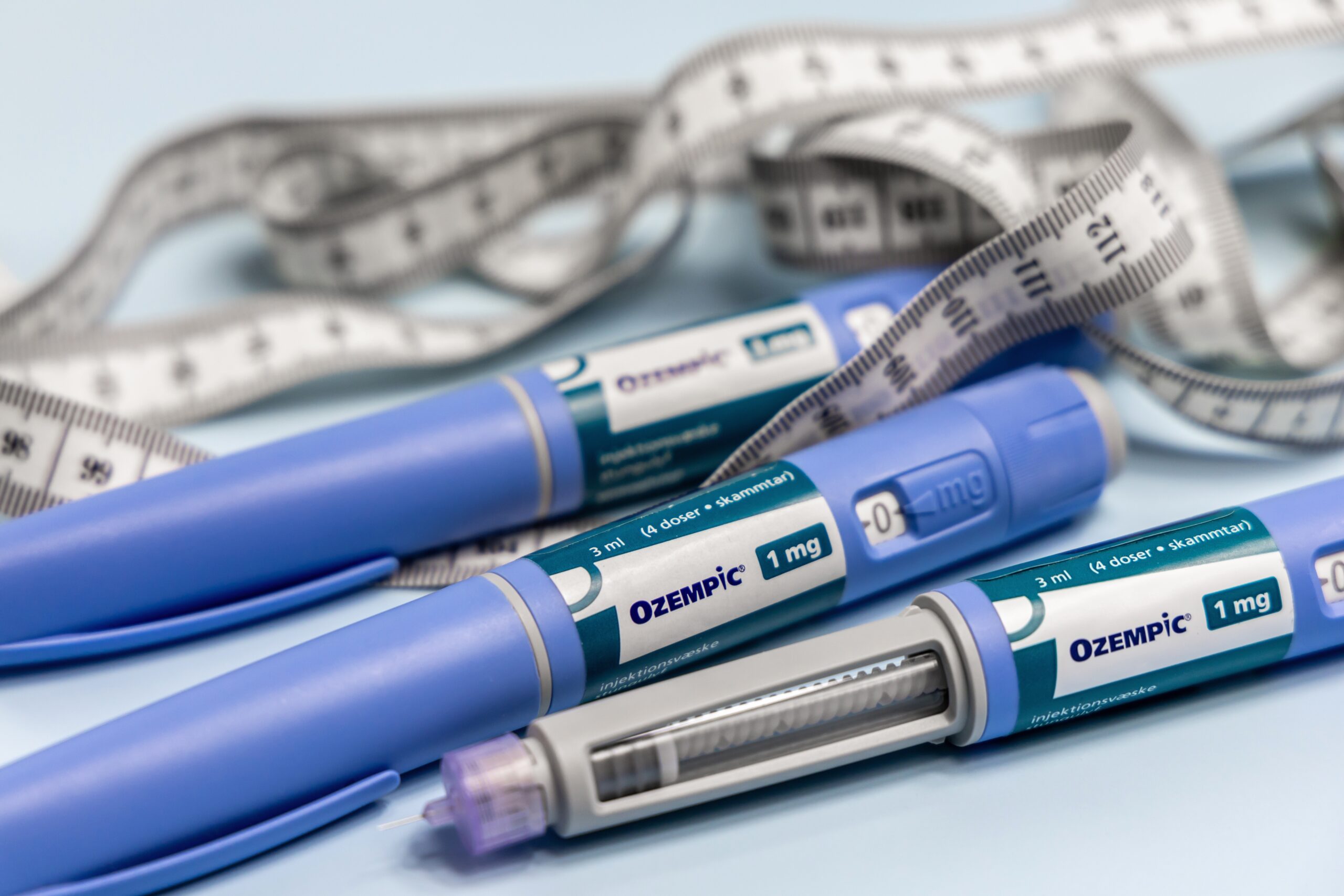
The diabetes medication transforming waistlines across America might hold the key to breaking society’s most destructive addictions.
Story Highlights
- GLP-1 drugs like Ozempic originally designed for diabetes are showing unexpected addiction-fighting properties
- Early clinical trials demonstrate significant reductions in alcohol consumption, opioid cravings, and nicotine use
- These medications appear to rewire brain reward circuits that drive both overeating and substance abuse
- The discovery could revolutionize addiction treatment for millions struggling with multiple dependencies
From Diabetes Treatment to Addiction Breakthrough
Ozempic and similar GLP-1 receptor agonists entered the medical scene as diabetes medications, then gained fame for dramatic weight loss results. Researchers noticed something peculiar among patients taking these drugs: many spontaneously reduced their alcohol consumption, stopped smoking, or curtailed other addictive behaviors without being asked to do so. This unexpected side effect sparked scientific curiosity about the brain mechanisms these medications might be influencing.
The human brain’s reward system operates through interconnected circuits that respond to food, drugs, alcohol, and other pleasurable stimuli. GLP-1 receptors exist throughout these neural pathways, not just in areas controlling blood sugar and appetite. When activated by medications like Ozempic, these receptors appear to dampen the intense craving signals that drive addictive behaviors across multiple substances and activities.
Weight-loss drugs like Ozempic may also curb drug and alcohol addiction https://t.co/WLSnBDkrV4
— Zicutake USA Comment (@Zicutake) October 26, 2025
Clinical Evidence Emerges
Early clinical trials are producing remarkable results that challenge traditional addiction treatment approaches. Participants receiving GLP-1 medications show measurable decreases in alcohol intake, with some studies reporting up to 50% reductions in drinking episodes. Opioid-seeking behaviors also diminish significantly, suggesting these drugs might address the neurochemical foundations of addiction rather than just managing symptoms.
Nicotine addiction research reveals similarly promising outcomes. Smokers taking GLP-1 medications report reduced cigarette cravings and increased success rates when attempting to quit. The medications appear to interrupt the dopamine reward cycle that keeps people trapped in destructive habits, offering hope for those who have failed multiple traditional treatment programs.
Watch a report:
Rewiring the Addicted Brain
The science behind these effects centers on how GLP-1 drugs modify brain chemistry in regions controlling impulse and reward. Traditional addiction treatments often focus on willpower and behavioral modification, but these medications work at the molecular level to reduce the biological drive toward addictive substances. This represents a fundamental shift from treating addiction as a moral failing to address it as a medical condition with biological solutions.
Researchers believe the same neural pathways that drive compulsive eating also fuel drug and alcohol dependencies. By targeting GLP-1 receptors throughout the brain, these medications essentially turn down the volume on craving signals across multiple addiction types. Patients describe feeling liberated from obsessive thoughts about their substances of choice, experiencing a mental clarity that traditional treatments rarely provide.
Sources:
https://www.sciencedaily.com/releases/2025/10/251026021746.htm