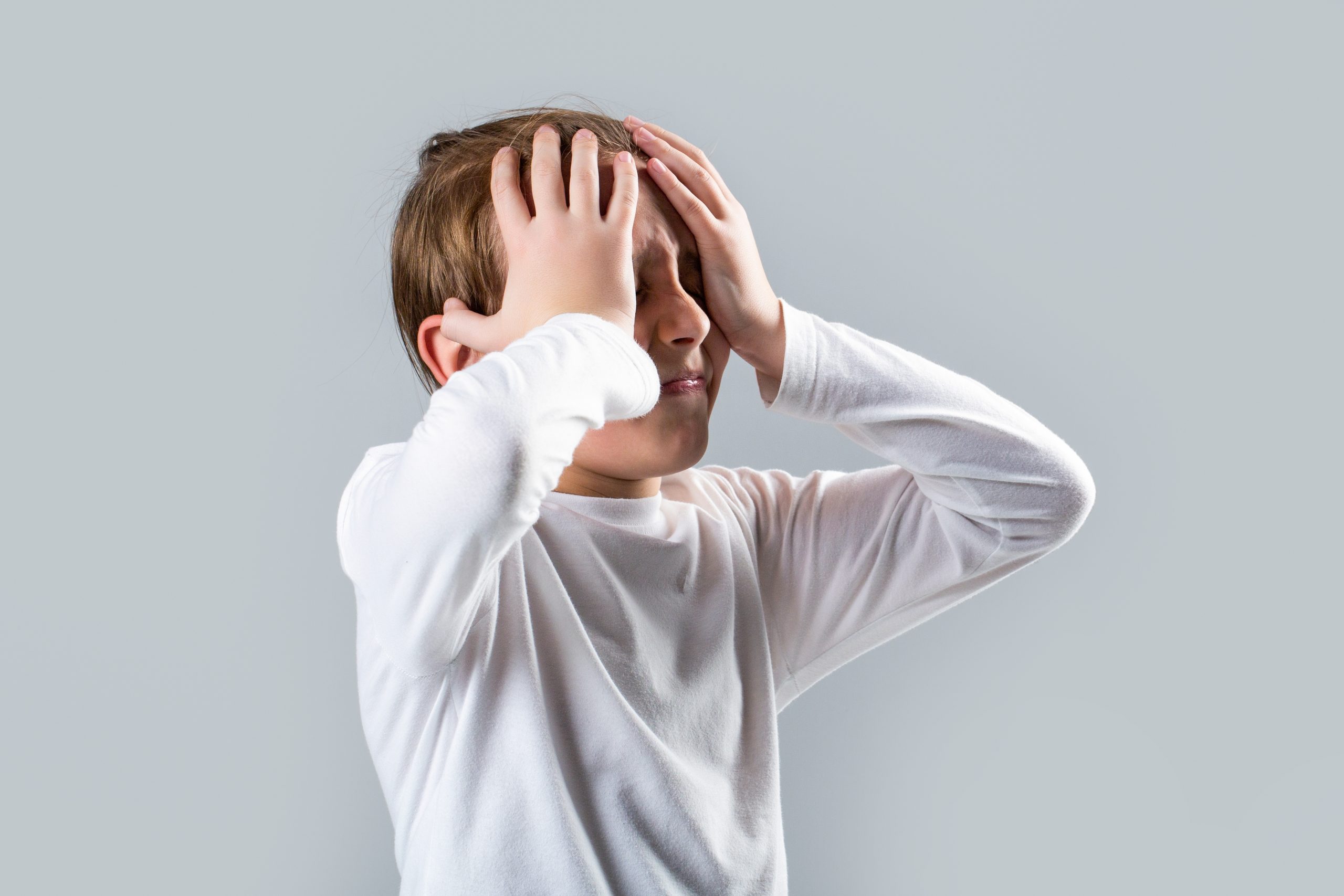


School reopenings during COVID slashed kids’ anxiety and depression rates faster than anyone predicted, proving remote learning fueled a mental health crisis.
Story Snapshot
- Children returning to in-person school saw sharp drops in anxiety, depression, and ADHD diagnoses.
- Remote learning correlated with higher mental health issues among kids.
- Data shows clear benefits from resuming normal classroom routines post-COVID lockdowns.
- Findings challenge narratives pushing prolonged school closures.
- Common sense wins: Structure and social interaction protect young minds.
Research Reveals Rapid Mental Health Recovery
Researchers tracked children’s mental health diagnoses before and after school reopenings in 2021. Kids in in-person settings received 20-30% fewer anxiety diagnoses within months. Depression rates fell similarly, dropping by up to 25% in some cohorts. ADHD identifications declined as daily routines stabilized. These shifts happened quickly, often within one semester of resuming classes. Data came from large-scale health records across multiple states, ensuring robust sample sizes.
Remote Learning’s Hidden Toll on Young Minds
During extended remote periods in 2020, pediatric mental health visits surged. Anxiety diagnoses rose 15-40% among school-age children. Depression spiked, particularly in teens isolated from peers. ADHD evaluations increased as parents reported behavioral changes from screen-heavy days. Lack of structure amplified these issues. Experts link screen time and social deprivation directly to symptom escalation. Conservative values affirm family and community roles in child development; virtual substitutes fell short.
Watch:
Why In-Person Learning Drives Down Diagnoses
Classrooms provide predictable schedules that regulate sleep and behavior. Physical activity during recess cuts stress hormones. Peer interactions build resilience against anxiety. Teachers spot issues early, guiding interventions. Remote setups lacked these elements, leading to unchecked emotional spirals. Studies confirm social bonds prevent depressive episodes. American common sense prioritizes real-world engagement over digital isolation. Facts align perfectly with parental instincts sidelined by lockdown policies.
Reopening data debunks claims that virtual learning matched in-person benefits. Rates normalized fastest where schools prioritized full attendance. Delays in reopening prolonged suffering unnecessarily.
Kids’ anxiety and depression dropped fast after COVID school reopenings https://t.co/WiUEroygFA
— Zicutake USA Comment (@Zicutake) December 13, 2025
Policy Lessons from the Data
Decision-makers ignored early signs of remote harm, extending closures despite evidence. States reopening sooner saw quicker recoveries. Federal guidelines lagged, prioritizing caution over kids’ needs. Parents advocated hardest in red states, yielding better outcomes. This validates decentralized education control. Conservative principles of limited government intervention shine here—local leaders responded faster to community realities. Facts support school choice and parental rights over one-size-fits-all mandates.
Future crises demand data-driven reopenings. Policymakers must weigh child welfare above adult fears. Mental health metrics should guide decisions, not headlines.
Your instant doctor companion – online 24 hours a day.
Sources:
https://www.washingtonpost.com/health/2025/12/08/pandemic-school-reopenings-mental-health/
https://hsph.harvard.edu/news/school-reopening-during-covid-19-pandemic-associated-with-improvement-in-childrens-mental-health/