
Science reveals a simple fiber-based solution that tackles holiday post-meal bloating at its source.
Story Snapshot
- Post-holiday bloating affects millions but can be prevented with targeted fiber supplementation
- Soluble fiber from Fibersol®-2 provides 9 grams per serving without typical fiber side effects
- Clinical studies show specific probiotics reduce digestive discomfort and abdominal issues
- Most Americans consume less than half their recommended daily fiber intake
The Holiday Bloat Epidemic
Holiday meals transform dining rooms into battlefields where belts loosen and comfort becomes a distant memory. The culprit behind that miserable, distended feeling isn’t just overeating—it’s the disruption of your digestive system’s delicate balance. Large meals overwhelm gut bacteria, slow digestion, and create the perfect storm for uncomfortable bloating that can persist for hours or even days.
Science Points to Soluble Fiber Solutions
Research identifies soluble fiber as the unsung hero in combating post-meal discomfort. Unlike insoluble fiber that can worsen bloating, soluble fiber dissolves in water to form a gel-like substance that slows digestion naturally. This process prevents the rapid fermentation that produces uncomfortable gas while feeding beneficial bacteria that keep your gut ecosystem balanced.
The key lies in choosing the right type of fiber. Fibersol®-2, a clinically studied prebiotic fiber, delivers 9 grams of soluble fiber per serving without the digestive drama typically associated with fiber supplements. This low FODMAP option means it won’t trigger symptoms in sensitive individuals.
Meet My Healthy Doc – instant answers, anytime, anywhere.
The GLP-1 Connection
Soluble fiber triggers fascinating hormonal responses that extend far beyond basic digestion. When consumed, it stimulates the release of GLP-1, a satiety hormone that signals fullness to your brain and slows gastric emptying. This natural process prevents overeating while giving your digestive system time to process food properly, reducing the likelihood of that stuffed, uncomfortable feeling.
The hormone boost also nourishes beneficial bacteria like Bifidobacterium, creating a positive feedback loop that strengthens digestive health over time. These bacteria produce short-chain fatty acids that reduce inflammation and support the gut lining, creating long-term resilience against digestive distress.
Probiotic Reinforcements
Strategic probiotic strains amplify fiber’s benefits dramatically. Bacillus subtilis and Bacillus coagulans, two spore-forming probiotics, demonstrate remarkable stability and effectiveness in clinical studies. Unlike fragile probiotic strains that barely survive stomach acid, these hardy bacteria reach the intestines intact where they immediately begin reducing digestive discomfort.
These specific strains target abdominal discomfort while supporting regularity—addressing both immediate bloating and long-term digestive function. Their spore-forming nature means they don’t require refrigeration and maintain potency through manufacturing and storage, ensuring consistent results.
Watch:
Get fast, reliable health advice from your AI doctor now.
Closing America’s Fiber Gap
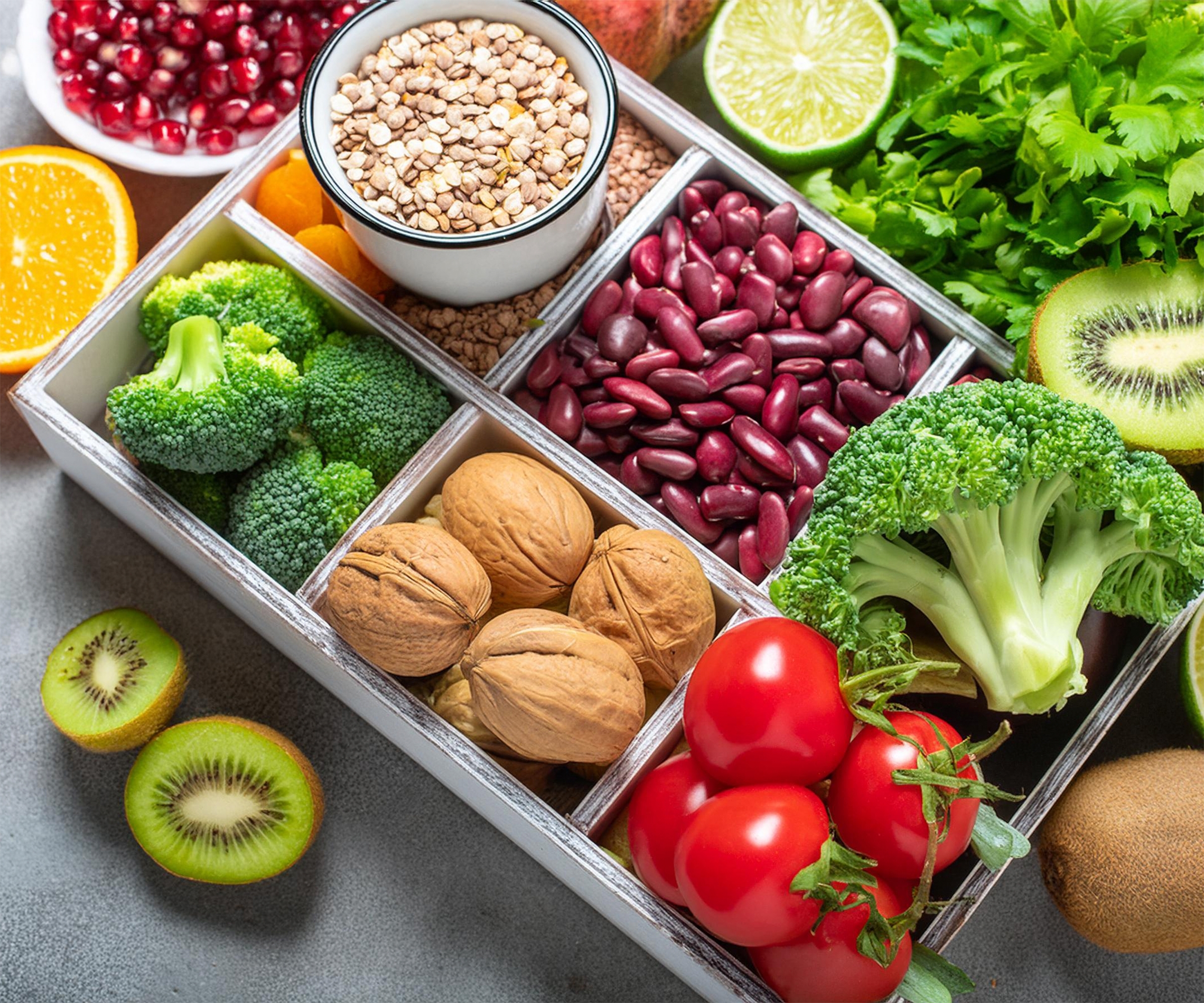
The average American consumes roughly 15 grams of fiber daily, falling drastically short of the recommended 25-38 grams. This deficiency creates chronic digestive vulnerability, making holiday indulgences particularly problematic. Strategic supplementation bridges this gap without requiring dramatic dietary overhauls that rarely stick long-term.
Modern processed foods strip away natural fiber content, leaving digestive systems unprepared for sudden increases in food volume. A targeted fiber supplement acts as digestive insurance, providing consistent support regardless of meal size or composition. This approach proves particularly valuable during holiday seasons when normal eating patterns become impossible to maintain.
Smart health starts here, try My Healthy Doc today.
Sources: