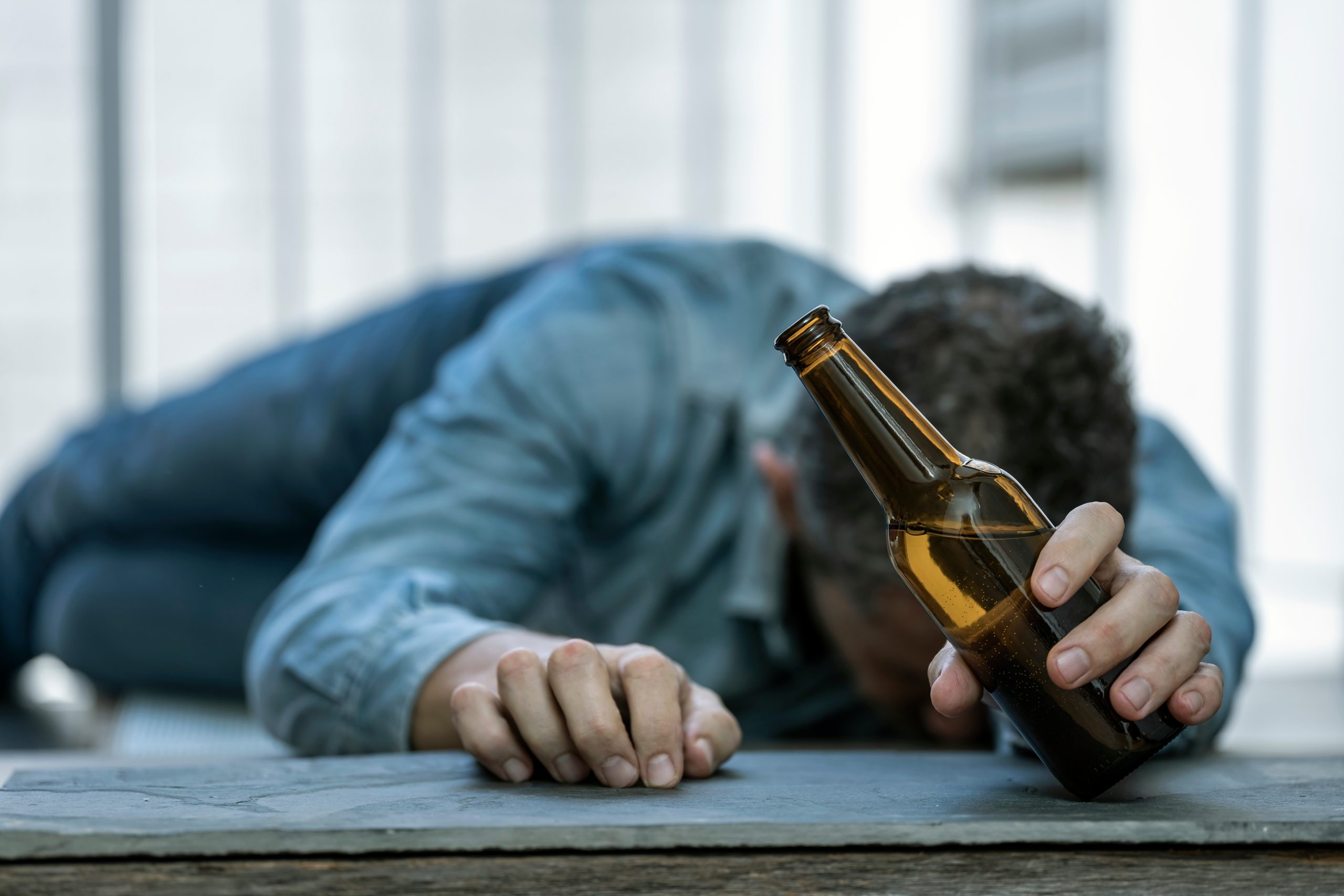


Your body betrays you with subtle screams when overtraining silently erodes your hard-earned gains, turning relentless effort into a path of hidden destruction.
Story Snapshot
- Overtraining syndrome triggers performance drops despite harder workouts, signaling multi-system failure in nervous, hormonal, and immune functions.
- Endurance athletes, weightlifters, and youth face highest risks from HIIT trends, wearables pushing intensity, and poor recovery balance.
- Early signs like chronic fatigue, mood shifts, and elevated resting heart rate demand immediate rest over pushing through.
- Experts from Mayo Clinic and Cleveland Clinic stress diagnosis via symptom exclusion and 2-3 week recovery tests.
- Prevention shifts fitness toward deload weeks and tech-monitored recovery amid rising post-COVID cases.
Overtraining Syndrome Defined and Distinguished
Overtraining syndrome (OTS) emerges when excessive exercise outpaces recovery, causing persistent performance decline. Athletes experience chronic fatigue, frequent injuries, and mood disturbances like irritability. This differs from short-term overreaching, which resolves quickly and boosts performance. OTS demands 2-3 weeks of rest for multi-system recovery involving nervous, hormonal, and immune disruptions. Endurance runners and cyclists report staleness first noted in 1980s studies.
Primary Symptoms Athletes Overlook
Performance plateaus despite increased training volume mark the first red flag. Resting heart rate elevates, signaling autonomic nervous system strain. Insomnia, appetite loss, and persistent muscle soreness follow. Psychological shifts include depression, anxiety, and motivation loss. Dr. Margo LaBotz notes coaches spot stagnation early in youth athletes. These signs persist beyond normal fatigue, demanding attention from casual gym-goers to pros.
Watch:
Historical Recognition and Modern Triggers
Sports science identified OTS in the 1980s among endurance athletes as “staleness” or burnout. The European College of Sport Science formalized it in 2000 position statements. Youth single-sport specialization since the 1990s spiked cases. Today’s HIIT popularity, fitness trackers dictating intensity, and post-COVID exercise booms exacerbate risks. Busy schedules limit sleep and nutrition, tipping balance toward overtraining in runners, cyclists, and weightlifters.
Stakeholders and Prevention Roles
Athletes chase gains but deny early symptoms. Coaches dictate volume, often prioritizing wins over monitoring. Parents oversee youth schedules amid school-sport conflicts. Medical experts like those from the American Academy of Pediatrics advocate rest policies. Organizations such as Mayo Clinic link OTS to shin splints and overuse injuries. Common sense demands coaches integrate deload weeks, aligning with conservative values of balanced discipline over reckless endurance.
Diagnosis Challenges and Biomarkers
No single test confirms OTS; diagnosis excludes other causes after rest fails to resolve symptoms. Elevated oxidative stress markers and hormonal shifts—low testosterone, high cortisol—appear in recent studies. Wearables track resting heart rate for alerts. Cleveland Clinic describes it as a multi-week imbalance harming body systems. Ongoing 2023+ research refines neurohormonal links, but underdiagnosis persists amid fitness trends.
Meet My Healthy Doc – instant answers, anytime, anywhere.
Impacts and Industry Shifts
Short-term effects sideline athletes with injuries and performance loss for weeks. Long-term consequences include chronic burnout, hormonal imbalances causing weight gain, and mental health strains like isolation. Families notice mood changes in youth; teams suffer roster gaps. Economic costs hit from medical bills and lost training. Fitness industry responds with recovery apps and deload protocols, growing sports medicine diagnostics.
Sources:
Overtraining Symptoms in Mountain Athletes
Six Signs of Overtraining
Signs of Overtraining
Signs of Overtraining and Overuse Injuries in Young Athletes
Overtraining: Spot the Signs
What Are Some Signs of Overtraining
PMC Review on Overtraining Syndrome
Overtraining Syndrome – Cleveland Clinic