

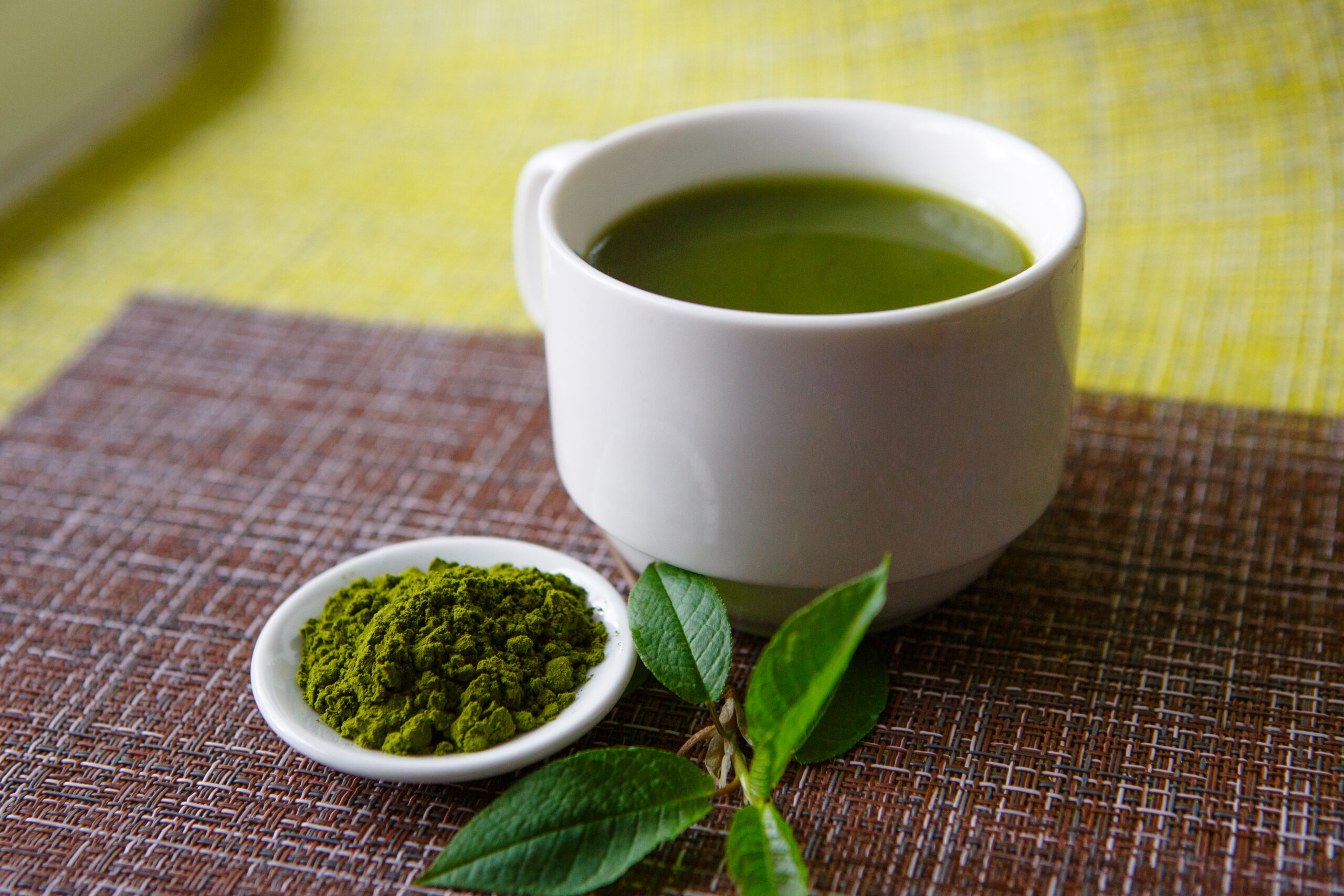
A single cup of this vibrant green powder delivers up to 137 times more disease-fighting compounds than regular green tea.
Story Snapshot
- Harvard researchers confirmed in April 2024 that daily matcha consumption supports cognitive function, particularly in older adults, thanks to a unique caffeine-L-theanine combination
- Regular green tea drinkers show a 31% lower risk of dying from cardiovascular disease, with matcha’s concentrated catechins offering even greater heart protection
- Matcha contains exceptional levels of EGCG, a compound that fights cellular damage, supports immune function, and shows promise in cancer prevention research
- The shade-growing process that makes matcha unique increases its chlorophyll and amino acid content, creating a nutritional profile unmatched by conventional teas
- Experts recommend one to two cups daily, warning against added sugars that negate the health benefits
Why Matcha Outperforms Every Other Tea
Matcha earns its superfood status through an unusual cultivation method that Japanese growers perfected centuries ago. Tea plants destined for matcha spend their final weeks before harvest covered in shade, forcing them to produce dramatically higher levels of chlorophyll and amino acids. Once harvested, entire leaves are stone-ground into powder rather than steeped and discarded like conventional tea. You consume the whole leaf, which means you ingest every bioactive compound the plant produced. This fundamental difference explains why matcha contains exponentially more catechins than even the highest-quality brewed green teas.
The primary catechin in matcha is epigallocatechin-3-gallate, known in research circles as EGCG. This plant compound acts as a natural antioxidant, stabilizing free radicals that damage cells and accelerate aging. Free radicals contribute to chronic diseases ranging from heart disease to cancer, making compounds that neutralize them valuable for long-term health. The shade-growing technique concentrates these catechins to levels unattainable in sun-grown tea plants, giving matcha its distinctive health profile.
How Matcha Protects Your Heart
The cardiovascular benefits of matcha rest on solid research foundations. A Journal of Epidemiology study tracked thousands of participants and found that regular green tea consumers had a 31% lower risk of dying from cardiovascular disease compared to non-consumers. Matcha’s concentrated catechins offer several mechanisms for heart protection. They decrease oxidative stress and prevent inflammation, two processes that contribute to atherosclerosis, high blood pressure, and heart disease. EGCG improves endothelial function by increasing nitric oxide production, which helps blood vessels relax and maintain healthy blood pressure.
Matcha also influences cholesterol profiles favorably. Research shows it can decrease LDL cholesterol while increasing HDL cholesterol, the protective form that removes excess cholesterol from arteries. These improvements in blood lipid profiles translate to reduced cardiovascular disease risk over time. Frank Hu, Fredrick J. Stare Professor of Nutrition and Epidemiology at Harvard T.H. Chan School of Public Health, acknowledges these benefits while cautioning consumers to avoid added sugars or processed ingredients that counteract matcha’s positive effects.
Get fast, reliable health advice from your AI doctor now.
The Cognitive Advantage of L-Theanine Plus Caffeine
Matcha delivers a cognitive boost that coffee drinkers chase but rarely achieve without jitters or crashes. The secret lies in matcha’s unique combination of caffeine and L-theanine, an amino acid that produces calming effects without drowsiness. Caffeine alone increases alertness but often triggers anxiety and energy crashes. L-theanine moderates caffeine’s stimulating effects while preserving its cognitive benefits, creating sustained focus and mental clarity. This synergy explains why matcha consumers report improved concentration without the negative side effects common to coffee consumption.
Research specifically links matcha to improved cognitive health in older women, a finding that gains significance as populations age and neurodegenerative diseases become more prevalent. EGCG may promote clarity of mind while inhibiting reactive oxygen species production in the brain. It also appears to decrease amyloid-β production, a protein that accumulates in Alzheimer’s disease.
Meet My Healthy Doc – instant answers, anytime, anywhere.
Cancer Prevention Research Shows Promise
The cancer prevention potential of matcha represents the most preliminary but intriguing area of research. EGCG demonstrates the ability to protect cells from DNA damage and slow tumor growth in laboratory settings. Animal studies suggest it might prevent certain cancer types by inhibiting tumor angiogenesis, the process by which tumors develop their own blood supply. EGCG also suppresses inflammatory processes that contribute to carcinogenesis, the transformation of normal cells into cancerous ones.
Harvard researchers and other experts appropriately caution that these benefits remain at the animal and test-tube study stage. Human clinical trials have not yet confirmed whether regular matcha consumption reduces cancer risk in real-world populations. The leap from laboratory findings to clinical recommendations requires extensive human research that has not yet been completed. Consumers should view cancer prevention claims with appropriate skepticism until more definitive human studies emerge.
Chat safely, anytime, with My Healthy Doc.
Immune Support Beyond Antioxidants
Matcha supplies a range of nutrients that support immune function beyond its famous antioxidant content. It contains vitamin C, selenium, chromium, zinc, and magnesium, all essential for maintaining robust natural defenses. EGCG exhibits antibacterial and antiviral properties, potentially boosting the body’s ability to fight infections. Laboratory studies demonstrate that EGCG slows bacterial growth responsible for dental plaque and cavities, offering oral health benefits that extend beyond immune support.
Researchers found matcha more effective at reducing bad breath than mints, chewing gum, or parsley-seed oil in direct comparisons. It may help relieve gum disease symptoms, suggesting applications for oral health maintenance. These benefits complement matcha’s systemic effects, creating multiple pathways through which regular consumption might support overall health.
Watch;
Practical Consumption Guidelines
Harvard researchers recommend one to two cups of matcha daily to achieve the health benefits documented in research. Traditional preparation involves whisking matcha powder with hot water, creating a frothy beverage that delivers the full spectrum of bioactive compounds. Matcha extracts and supplements exist, though whole-leaf powder consumption remains the gold standard for maximizing benefits. Consistency matters more than quantity—regular daily consumption appears necessary for cardiovascular, cognitive, and immune benefits to manifest over time.
The caffeine content requires consideration, particularly for individuals sensitive to stimulants or those consuming matcha later in the day. Matcha contains more caffeine than other teas but less than coffee, positioning it as a middle option for those seeking energy without excessive stimulation.
Sources:
Harvard T.H. Chan School of Public Health – Matcha Brain Heart Gut Health
WebMD – Health Benefits of Matcha
Sip Spa – Matcha Health Benefits
Healthline – 7 Benefits of Matcha Tea
NIH PMC Database – Matcha Chemical Analysis
Food Revolution – Matcha Tea Benefits