

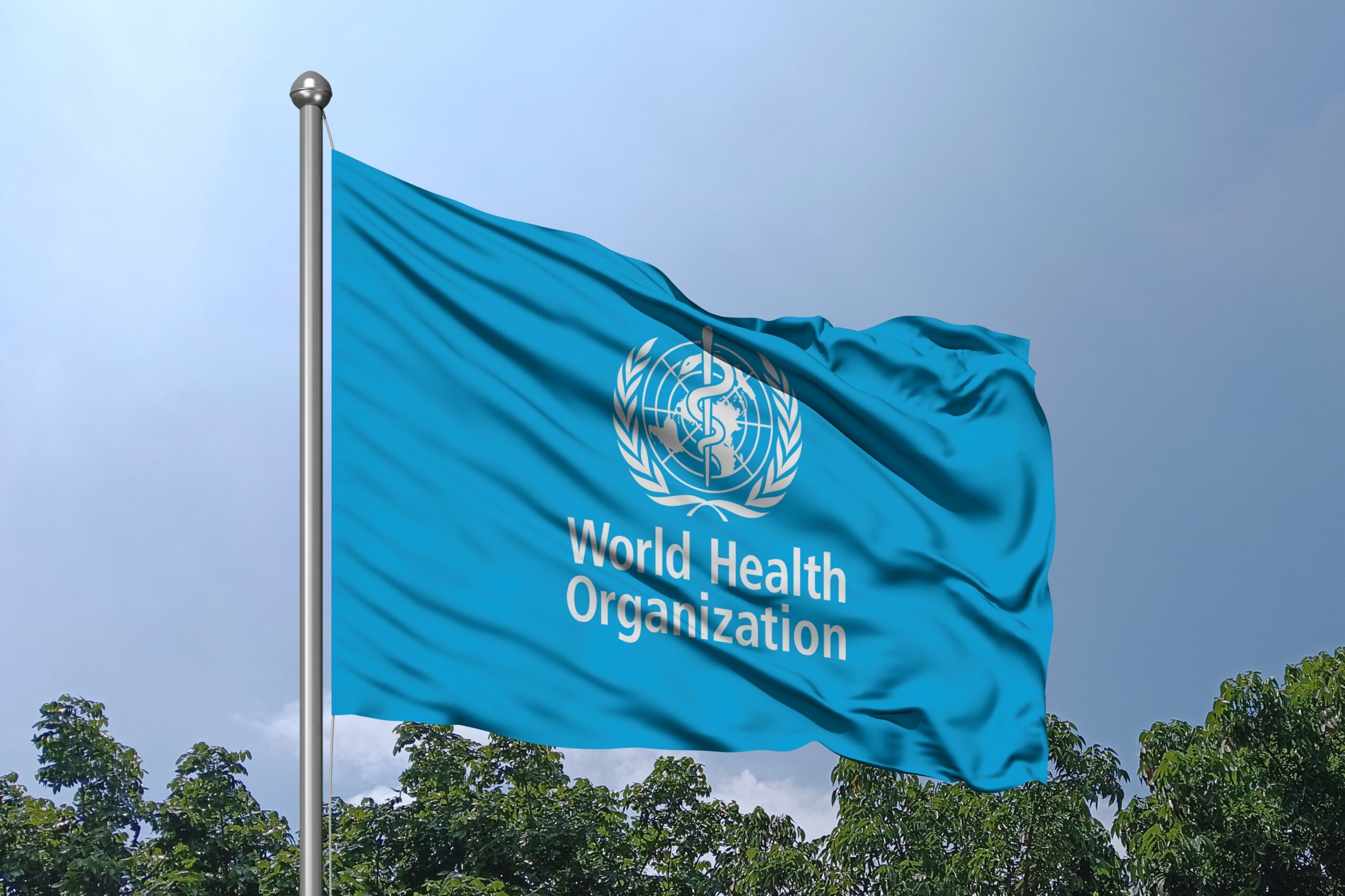
The World Health Organization’s first global guideline on infertility is a game-changer for millions struggling with this hidden crisis.
Story Overview
- Infertility affects 1 in 6 people globally, yet access to care is limited.
- WHO’s guideline includes 40 recommendations to improve fertility care.
- Key focus areas include prevention, diagnosis, and equitable treatment.
- Emphasizes integrating fertility care into national health strategies.
Understanding the Global Infertility Crisis
Infertility impacts about 17% of people of reproductive age globally, a staggering statistic that often flies under the radar. Despite the prevalence, access to fertility care is uneven, with many facing financial barriers that make treatments like IVF inaccessible. The WHO’s guideline aims to address these disparities by providing a comprehensive framework to make fertility care more equitable and affordable. It’s a call to action for countries worldwide to reevaluate their health systems and prioritize fertility care.
The guideline offers a holistic approach, addressing the myriad of factors that contribute to infertility. Lifestyle issues, such as tobacco usage and sexually transmitted infections (STIs), are identified as preventable risk factors. The WHO emphasizes the need for public health campaigns and policies that reduce these risks. Additionally, the guideline highlights the importance of psychosocial support, acknowledging the emotional toll infertility can take on individuals and couples. This comprehensive view marks a significant step towards more inclusive and supportive fertility care.
Watch:
Got a health question? Ask our AI doctor instantly, it’s free.
Comprehensive Recommendations for Fertility Care
The WHO guideline includes 40 detailed recommendations and six good practice statements. These cover a broad range of topics, from prevention strategies to advanced treatment options like IVF. The guideline suggests integrating fertility care into national health systems, ensuring that it is not treated as a luxury but as an essential component of healthcare. By doing so, the WHO seeks to promote equity and gender equality, enabling informed reproductive choices for all individuals.
Prevention is a key focus, with recommendations to address lifestyle factors that can contribute to infertility. The guideline urges countries to implement public health strategies that educate and empower individuals to make informed lifestyle choices. This proactive approach is designed to reduce the incidence of infertility and improve overall reproductive health.
Start your health journey now.
Toward Equitable and Affordable Fertility Care
One of the most significant challenges in fertility care is the cost. Many treatments, particularly advanced options like IVF, are prohibitively expensive, often exceeding annual household income. The WHO’s guideline calls for countries to establish fair pricing mechanisms and insurance coverage to alleviate the financial burden on individuals and families. This push for affordability is critical to ensuring that fertility care is accessible to all, regardless of socioeconomic status.
In addition to financial considerations, the guideline emphasizes the importance of integrating fertility care into national health strategies. This integration is crucial for promoting a rights-based approach, where individuals have the freedom to make informed reproductive choices. By embedding fertility care into broader health systems, countries can ensure that it is treated as a priority, not an afterthought. This approach aligns with the WHO’s mission to promote health equity and empower individuals worldwide.
Smart health starts here, try My Healthy Doc today.
Sources:
https://www.who.int/publications/i/item/9789240115774
https://www.aa.com.tr/en/health/who-warns-infertility-affects-1-in-6-people-/3756889