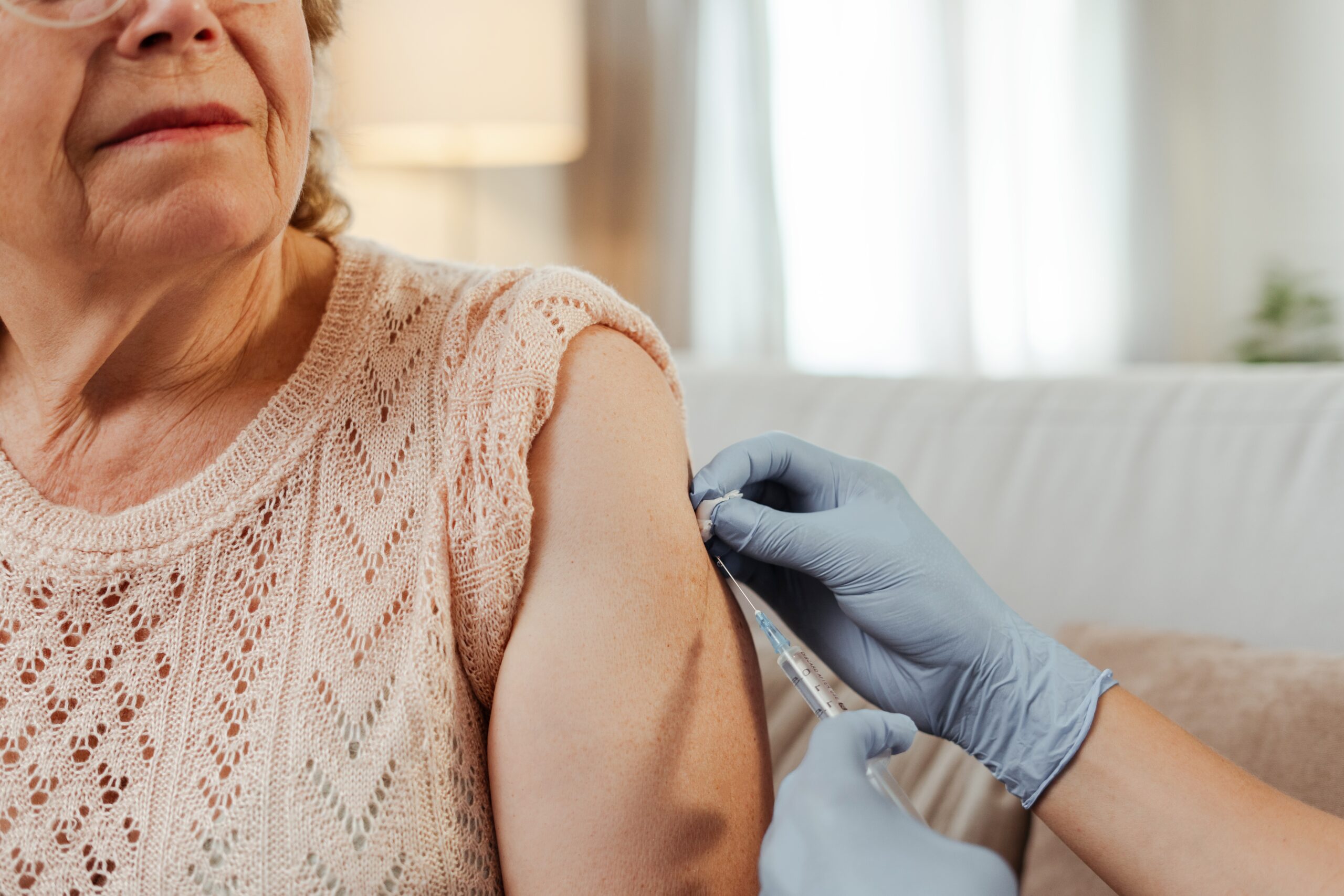
A common vaccine you might already have received could slash your dementia risk by a margin researchers never anticipated.
Story Snapshot
- Welsh health records reveal shingles vaccination linked to lower dementia diagnosis rates over seven years, with stronger protection in women
- Experts now estimate 45% of dementia cases may be preventable through managing 14 modifiable risk factors including infections, hypertension, and hearing loss
- New 2026 trials test statins, brain stimulation, and lifestyle interventions targeting high-risk groups to delay or prevent cognitive decline
- Policy roadmap with 56 recommendations urges structural support like affordable hearing aids to reach vulnerable populations
The Shingles Vaccine Connection Nobody Saw Coming
Researchers analyzing Welsh population health records stumbled upon an unexpected pattern in 2025. People who became eligible for the shingles vaccine showed fewer new dementia diagnoses over the following seven years compared to those not yet eligible. The effect proved particularly pronounced in women. A follow-up analysis revealed even those already diagnosed with dementia experienced delayed progression after vaccination. Unlike complex drug therapies targeting amyloid plaques, this intervention addresses viral reactivation of varicella-zoster, the virus causing chickenpox and shingles.
Forty-Five Percent of Cases Could Vanish With the Right Moves
The scale of preventable dementia continues to surprise scientists. The 2024 Lancet Commission expanded its list from 12 to 14 modifiable risk factors, now estimating nearly half of all dementia cases worldwide could be avoided. The roster includes hypertension, diabetes, hearing loss, social isolation, air pollution, and infections. These aren’t fringe theories. They represent consensus among leading researchers who built their conclusions on decades of longitudinal studies tracking millions of people. The shift from 40% preventable in 2020 to 45% in 2024 reflects new evidence on air quality and blood pressure control.
Watch:
From Theory to Action: Trials Underway in 2026
Academic medical centers across the United States launched prevention trials targeting diverse populations this year. UCLA researchers test repetitive transcranial magnetic stimulation on the precuneus region to boost memory. The PREVENTABLE trial enrolls adults over 75 to compare statins against placebo for preventing both death and dementia. The INSPIRE study recruits 2,000 African Americans for personalized lifestyle interventions addressing their specific risk profiles. UCSD and UCSF run parallel investigations into sleep quality for caregiving couples and experimental drugs for mild Alzheimer’s. These aren’t abstract experiments. They translate the 45% preventability finding into concrete protocols that could become standard care within a decade if results prove positive.
Why Structural Change Matters More Than Individual Willpower
A 40-expert panel released a 56-point policy roadmap in early 2026 demanding governments address the scaffolding around individual health choices. Affordable hearing aids, reduced air pollution, accessible mental health services, and community programs combating isolation topped the list. The experts argued personal responsibility falls short when systemic barriers block access. Someone living in a polluted urban neighborhood or unable to afford hearing aids faces elevated dementia risk regardless of motivation. High-income nations already see stark disparities, with disadvantaged communities showing dementia rates far exceeding wealthier areas.
Meet My Healthy Doc – instant answers, anytime, anywhere.
What Blood Tests and Brain Scans Reveal About Your Future
Precision prevention hinges on identifying who faces highest risk before symptoms appear. Blood biomarkers detecting abnormal protein accumulation years before memory loss now guide clinical trials. Researchers use these tests to enroll people in early intervention studies, betting that stopping disease processes at the molecular level beats treating full-blown dementia. Brain imaging adds another layer, pinpointing structural changes invisible to standard cognitive tests. The Alzheimer’s Drug Discovery Foundation funds projects combining biomarkers with personalized lifestyle modifications, tailoring diet, exercise, and social engagement recommendations to individual biology.
The Shingles vaccine and reduction of dementia: a new natural experiment from Canada replicated 3 others and adds to this week's link to slowing of biological aging. https://t.co/GQ5apkwgB7 pic.twitter.com/T35m31vilJ
— Eric Topol (@EricTopol) January 22, 2026
Got a health question? Ask our AI doctor instantly, it’s free.
The Road Ahead for Prevention Science
The shingles vaccine data, while compelling, comes from observational records that cannot prove causation. Randomized controlled trials must confirm whether vaccination directly reduces dementia or merely correlates with healthier populations. Previous brain stimulation studies produced mixed results, tempering enthusiasm for the current rTMS trials. Combination therapies likely offer the best path forward, stacking multiple small benefits from vaccines, medications, lifestyle changes, and environmental improvements. The National Institutes of Health increased funding for prevention methodologies in its fiscal 2026 budget, signaling institutional commitment. Conferences scheduled for May 2026 in San Francisco will gather researchers to coordinate efforts and share preliminary findings from ongoing trials.
Chat safely, anytime, with My Healthy Doc.
Sources:
Dementia Research in 2026
What’s Next for Alzheimer’s and Dementia Research in 2026
Experts Policy Roadmap Dementia
Alzheimer’s Drug Discovery Foundation Prevention Pipeline
2026 Dementia Care Summit
NIA FY26 Professional Judgment Budget