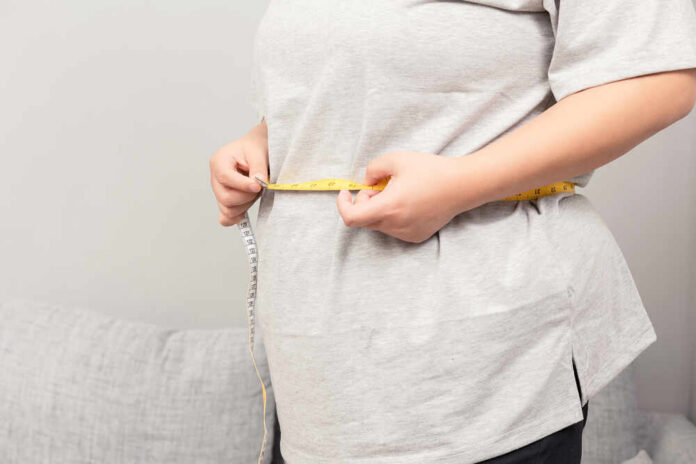
Your waistline after 50 isn’t just “extra weight”—it may be your body manufacturing brand-new fat cells on purpose, and scientists think they’ve found the cellular switch that starts the factory.
Quick Take
- City of Hope researchers identified age-activated progenitor cells that ramp up belly fat creation in midlife, at least in preclinical models.
- The key signal appears to run through a pathway called LIFR, raising the possibility of drugs that slow new fat-cell formation rather than “burn” existing fat.
- Visceral fat behaves like an organ that drives metabolic disease risk even when the scale looks fine.
- Human-ready “belly fat blockers” aren’t here yet; the strongest real-world tools remain resistance training, targeted activity, and sensible eating.
The Breakthrough: Aging Can Flip On a Belly-Fat Stem-Cell Program
City of Hope scientists zeroed in on a strange midlife twist: while many stem cell systems decline with age, a rare group inside fat tissue appears to do the opposite. These age-activated progenitor cells multiply and generate fresh fat cells concentrated in the abdomen, helping explain why many adults see their midsections expand even without dramatic changes on the bathroom scale. That shifts the story from “bad willpower” to “changed biology.”
The practical implication matters because a body that creates new fat cells gives you a moving target. Traditional weight-loss tactics mainly shrink existing fat cells; they don’t necessarily stop the pipeline that keeps restocking the shelf. Researchers pointed to LIFR signaling as a driver of this age-linked fat-cell burst. If future therapies can safely dial down that pathway, medicine might reduce visceral fat formation without pretending diet advice alone can outvote hormones and cell programming.
Why Visceral Fat Scares Doctors More Than “Cosmetic” Belly
Visceral fat sits around internal organs, and it doesn’t act like quiet storage. It releases signals tied to insulin resistance, inflammation, and cardiovascular strain, which is why waist size can predict problems even in people who don’t look obese. You can’t judge risk by a mirror selfie if the most dangerous fat hides deeper. For adults over 40, the question becomes “what kind of fat” more than “what weight.”
Research summaries aimed at the public often lean on a simple line—“belly fat is dangerous”—but the more useful takeaway is operational: visceral fat responds differently to interventions than subcutaneous fat. Some changes help you look leaner but barely touch the risky depot. Others may do the opposite, improving metabolic health even when the scale refuses to reward you. That gap is where fads thrive, and where adults get understandably cynical.
A Second Thread: Hormones and Muscle Can Tilt the Fight
Clinical work in older women recovering from hip fracture delivered a surprisingly concrete message: pairing exercise with testosterone gel showed selective reduction in visceral fat. That doesn’t translate into an over-the-counter solution, and hormones always require medical supervision, but the direction is telling. The body’s lean tissue and endocrine environment influence where fat goes and how stubborn it becomes. Muscle acts like a metabolic engine; more engine, less storage pressure.
That’s also why the most reliable advice still sounds old-fashioned: progressive resistance training, consistent movement, and adequate protein. Those habits don’t just “burn calories.” They protect muscle, which helps regulate glucose and may reduce the body’s impulse to stash energy centrally. For readers who value personal responsibility, this is the fair framing: you can’t control every cellular signal, but you can build the metabolic capacity that keeps those signals from dominating your future.
What the Stem-Cell Discovery Changes—and What It Doesn’t
The City of Hope finding is a mechanism, not a marketed cure. No human trials have established a safe LIFR blocker or a direct way to shut down age-activated progenitor cells in people living normal lives. That matters because the supplement industry will race to “borrow” the language of stem cells and sell certainty. Skepticism is healthy here: if a product claims it “turns off” visceral fat stem cells today, it’s probably selling vibes, not verified outcomes.
Still, this mechanism reframes the long-running argument about belly fat. People often blame laziness, then swing to fatalism when efforts fail. The more adult answer sits in the middle: biology can push you toward abdominal fat with age, but that push varies by sex, hormones, injury, sleep, stress, and activity. Policy debates about health also benefit from this nuance. Waist circumference and body composition deserve more respect than blanket BMI scolding.
The Near-Term Playbook for Adults Over 40 Who Want Real Leverage
Start with measurements that don’t lie: waist circumference and strength trends, not just weight. Prioritize resistance training because it preserves muscle and improves insulin sensitivity; add regular walking or intervals to attack visceral fat’s responsiveness to activity. Keep eating boringly sensible: adequate protein, fewer refined carbs, and consistent calories rather than crash diets that invite rebound. Treat sleep like a health behavior, because stress hormones and fatigue push cravings and central fat storage.
The big open loop is whether medicine can someday prevent midlife belly fat the way statins lowered heart risk: targeted, boring, effective. If researchers confirm the same belly-fat “factory switch” in humans, the debate will change fast—away from shaming and toward prevention. Don’t buy miracle claims, invest in strength and daily movement, and treat your waistline as a health vital sign, not a vanity project.
Sources:
Research uncovers the cellular culprit behind age-related abdominal fat
Scientists Discover a Better Way to Reduce Dangerous Belly Fat in Older Women
New study finds hidden body fat is linked to faster heart ageing
Abdominal Fat Increases Risk of Early Death by 365% in Non-Obese Adults
Having more muscle, less belly fat may help slow brain aging
Exercise, Aging, and Visceral Adipose Tissue
How to Lose Belly Fat After 50
Belly fat in women: Taking — and keeping — it off