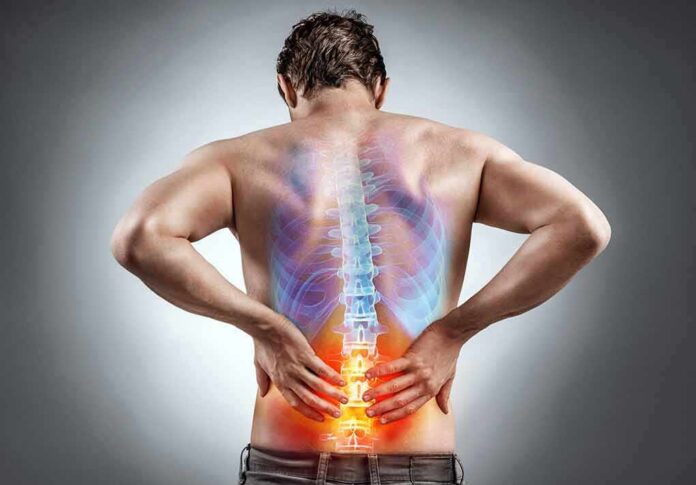
The fastest path out of most back and neck pain is not immobility but intelligent motion—staying active with the right guardrails calms irritated tissues, restores confidence in movement, and prevents the deconditioning spiral that makes pain linger.
Key Points
- For most uncomplicated back or neck pain, prolonged rest backfires; gentle, pain-aware activity speeds recovery.
- Walking and low-impact aerobic work are first-line options; intensity, duration, and movement patterns should be modified, not abandoned.
- Simple core, hip, and postural exercises stabilize the spine and reduce recurrence when progressed gradually.
- In Coral Springs, community classes and local clinicians make it practical to stay active while you heal.
Why staying active works for spine pain—and what “active” really means
Spine pain changes how we move long before it indicates structural catastrophe. Muscle guarding, fear of bending or reaching, and longer days in a chair all chip away at circulation and strength. Modern guidance has decisively moved away from bed rest for routine spine pain: brief activity reduction in a hot flare is sensible, but reintroducing movement early improves pain, function, and time to recovery. MedlinePlus frames it plainly for neck pain—pause normal activity for only a few days, then resume gently while avoiding heavy lifting and twisting early on. The same philosophy applies to the low back: the Royal Australian College of General Practitioners emphasizes that staying active is safe, with modifications to pace, duration, and frequency as symptoms settle.
In practice, “active” does not mean heroic workouts. It means continuing daily living tasks you tolerate, favoring low-impact aerobic movement to pump blood and desensitize the nervous system, and adding simple stability drills that coax the spine back to confident motion. A local orthopedic practice in Coral Springs states it succinctly: continue the daily activities you can tolerate, including walking; stop what makes pain worse. That pain-aware, graded approach is not a compromise—it is the therapeutic mechanism.
First-line movement: walking and low-impact aerobic work
When tissues are irritable, rhythmic, unloaded movement is a physiologic reset. Walking is the archetype: it coordinates hips and trunk, recruits the diaphragm for postural control, and avoids the compression spikes of impact sports. For many with neck or back pain, 10 to 20 minutes of walking—once or twice daily to start—reduces stiffness and lifts pain thresholds. Exercise-is-Medicine guidance encourages beginning with low-impact activities you enjoy, at light-to-moderate effort, then building pace and time gradually; this is as much about consistency as intensity. Stationary cycling, elliptical work, and water walking are excellent substitutes when pavement pounding aggravates symptoms, and general aerobic targets of 20 to 30 minutes, three to five days per week, are a realistic horizon as symptoms settle.
In Coral Springs, access is not the barrier. The city’s Senior Center runs low-impact “Cardio, Strength & Stretch” classes with built-in intensity self-adjustment—ideal for those managing spine pain without dropping activity altogether. If you prefer independent sessions, local studios and gyms offer gentler formats at nearly any hour, but the principle remains: choose the modality your body grants you today, not the one your memory prefers.
Stability before strength: simple exercises that matter
As pain eases, the goal shifts from “keep moving” to “move with more control.” Stabilization is the hinge. The deep abdominal wall, multifidus along the spine, gluteal muscles, and the diaphragm form a pressure system that stiffens the torso without bracing it rigid. Early exercises are deliberately modest: abdominal draw-ins coordinated with exhale; hip hinges that teach the pelvis to move without spine collapse; bridges and side-lying clams to wake up the posterior chain; thoracic extensions over a towel to counter sitting. The Mayo Clinic’s simple routines—knee-to-chest, pelvic tilts, prone back extensions, and gentle trunk rotations—are reliable entries when done slowly and within pain limits. For the neck, basic cervical isometrics and controlled chin tucks reinforce posture without provoking spasm; professional societies publish straightforward starter sequences suitable for home use.
Progression is dosage, not novelty. Add a few repetitions, hold a position two seconds longer, or advance one exercise each week—Washington’s patient education resources capture this “less, then a little more” cadence well. The litmus test is symptom behavior over 24 hours: transient discomfort during or shortly after a session is acceptable; escalating, next-day pain argues for dialing the load back.
Modify the right variables: a playbook for pain-aware training
What you change is as important as what you choose. Early after a flare, avoid end-range combined motions that spike shear—deep spinal flexion with rotation, heavy loaded twisting, or aggressive overhead pressing. Swap barbells for dumbbells to let each shoulder find a non-provocative path. Shorten ranges: a half-depth squat, a hip hinge that stops before tugging, or a push that avoids forward head jut can preserve training rhythm without inflaming symptoms. Consider tempo—slow the lowering phase to build control at lighter loads. Trim volume first (fewer sets, fewer reps), then intensity (lighter load), then frequency (skip the extra day) when symptoms complain; reverse that order as you improve.
Cardio follows the same logic. If 20 minutes continuous walking triggers a next-day ache, break it into two 10-minute bouts. If upright cycling provokes the neck, try a recumbent bike to unload the cervical extensors. The destination is tolerance, not toughness.
When to get help—and what local resources offer
Most uncomplicated spine pain improves within weeks; that trend line is your compass. Seek clinical evaluation promptly for red flags—trauma with new weakness, fever, unexplained weight loss, saddle anesthesia, progressive limb numbness, bowel or bladder changes, or pain unresponsive to all positions. Short of that, if pain keeps you from basic daily tasks after a couple of weeks of reasonable self-care, or repeatedly flares when you resume light activity, it is time for guided rehabilitation.
Coral Springs residents have credible options across disciplines. Orthopedic and neurology practices in town evaluate low back and neck pain, and multiple physical therapy clinics operate extended hours, making early assessment and a customized progression feasible around work and caregiving commitments. For many, a few sessions to dial in technique, titrate loads, and set guardrails prevents months of trial and error. Community classes such as the city’s low-impact offerings complement that plan by maintaining aerobic capacity and confidence while symptoms settle.
Address the drivers you can’t see: stress, sitting, and sleep
Two realities complicate spine pain recoveries more than any single exercise: stress and prolonged sitting. Stress heightens pain perception through the sympathetic nervous system; when high, identical movements feel sharper and recovery windows shrink. Gentle, regular activity is itself an antidote—exercise blunts stress physiology and supports better sleep—but so are brief daily practices like paced breathing or a 10-minute walk after dinner. Local practitioners who integrate lifestyle and movement can be helpful when these factors loom large.
As for sitting, treat it as a variable to be managed, not a moral failure. Break up desk time with two-minute movement snacks—stand, walk, scapular retraction, a few pelvic tilts—or consider alternating to a higher work surface for part of the day. Small, frequent changes in posture often yield bigger dividends than a single perfect stretch.
A week-by-week template most people can follow
Week 1: Protect and circulate. Two or three short walks per day, light mobility for hips and upper back, gentle abdominal activation. Skip heavy lifting, deep twisting, and long static postures. If pain is severe, limit normal activity for a few days, then begin gradual re-entry as symptoms allow.
Week 2: Consolidate motion. Extend walks toward 20 minutes, add bridges, side-lying clams, and chin tucks. Reintroduce basic chores and modified gym movements with shorter ranges and lighter loads.
Week 3–4: Build tolerance. Aim for 20–30 minutes of low-impact aerobic exercise three to five days weekly, add controlled hip hinges and half-squats, progress holds on core work, and expand daily activities to near normal as symptoms permit.
Beyond: Strengthen and prevent. Fold in rowing, supported carries, and anti-rotation core drills; maintain aerobic consistency. If setbacks appear, regress a step for 48 hours and resume the prior successful level. Consistency beats intensity for pain resilience.
We believe movement is freedom. 🏠 Beginners gain the most! A strong core prevents low back pain, sciatica, and more!
Expert care in Parkland, Boca & Coral Springs.https://t.co/FwLjVU1SR0
Movement is Key 🔑 pic.twitter.com/9wMxpudHEY— Vinnie Bombara (@Qualitytherapy) July 24, 2026
What good recovery feels like—and when to change course
Productive recovery rarely traces a straight line. Expect good days and noisier ones, especially when life loads spike. The key signals you are on track: walking gets easier, morning stiffness shortens, and exercise soreness feels muscular rather than nerve-like. Escalating pain that persists beyond 24 hours after activity, new neurologic symptoms, or inability to expand basic activities over two to three weeks should prompt reassessment with a clinician. In Coral Springs, same-week access to physical therapy and orthopedic consultation is common; use that proximity to keep momentum.
Bottom line
The spine rewards movement literacy. When back or neck pain intrudes, the smartest response is not retreat but recalibration: keep walking, keep breathing, and keep loading tissues just enough to nudge capacity upward without poking the bear. The evidence base, national guidance, and local clinical advice converge on the same message—stay active, modify wisely, and get targeted help when signals point that way. Do that, and most episodes will pass quicker, with a lower chance of an encore.
Sources:
theneurologyinstitute.com, coralspringsdisccenter.com, fyzical.com, coraphysicaltherapy.com, stevensvabekortho.com, flspinalcare.com, medlineplus.gov, racgp.org.au, sportsacupunctureclinic.com, exerciseismedicine.org, spineteamtexas.com, mayoclinic.org