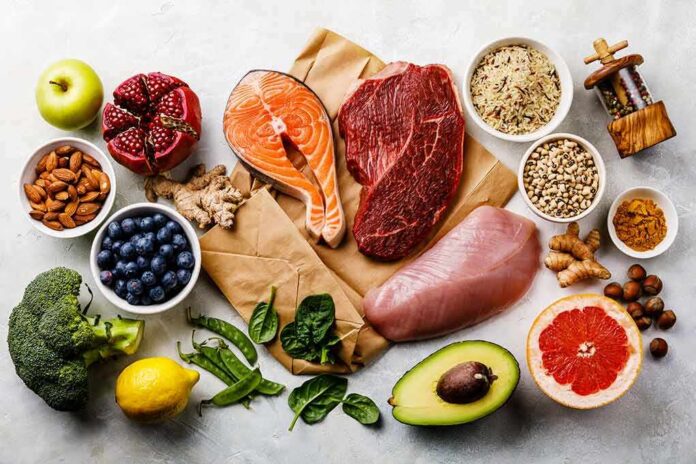
The protein powder in your kitchen cabinet and the steak on your plate might score the same on paper, yet lead to very different outcomes in your arteries over the next twenty years.
Story Snapshot
- Nutrition scientists are split on how to define “protein quality,” with one camp focused strictly on amino acid chemistry and another pushing for health outcomes to count too.
- The traditional standard, used by groups like the Food and Agriculture Organization, scores protein based on digestibility and essential amino acid content alone.
- Newer research finds that higher-scoring animal proteins don’t always translate into better heart health or longer life compared to plant proteins.
- The debate matters for everyday shoppers because “high protein” marketing rarely tells you anything about sodium, saturated fat, or how a food behaves in your body long-term.
What “Protein Quality” Has Always Meant
For decades, scientists judged protein quality the same way. They checked whether a food had all nine essential amino acids your body can’t make on its own, then measured how well your gut absorbed them. This method, refined by the Food and Agriculture Organization (FAO), still ranks as the official global standard. Eggs, meat, and dairy typically score higher than beans or grains under this system, because their amino acid mix matches human needs more closely. That chemistry-first approach isn’t outdated nonsense. Major reviews still lean on it, and for good reason. It’s measurable, repeatable, and tied directly to how your body builds muscle and repairs tissue. If you’re recovering from surgery or trying to prevent muscle loss in your seventies, amino acid math still matters enormously.
The Case for Looking Beyond the Chemistry Chart
A growing number of researchers argue that stopping at amino acid scores misses the bigger picture. One widely discussed review found that animal proteins, despite scoring higher on paper, don’t consistently produce better heart or longevity outcomes than plant proteins in large human studies. Another paper goes further, insisting the whole concept of protein quality needs to expand to include effects on bone health, blood sugar, and gut bacteria. This isn’t a fringe complaint. Swapping soy protein for animal protein has been shown to lower cholesterol in people who already have high cholesterol, and vegetarians tend to run lower cholesterol numbers than the general population. None of that shows up on a basic amino acid scorecard, yet it clearly affects real health.
Why the Old Standard Still Has Teeth
The traditionalists aren’t wrong to push back. Their sources point out something important: in populations who already eat enough protein, small differences in amino acid scores probably don’t move the needle much on long-term health. That’s a reasonable check on hype. It suggests some of the plant-versus-animal debate may be less about protein chemistry and more about everything else riding along with it, like fiber, saturated fat, and processing. The FAO’s own guidance doubles down on precision, recommending scientists measure amino acid absorption at the small intestine level rather than relying on cruder estimates. That’s not a group interested in loosening the definition. It’s a group trying to make an already narrow tool more accurate, not broader.
Where the Real Gap Sits
Neither side has produced the one study that would settle this cleanly: a controlled trial that holds total protein and calories constant while swapping only amino acid quality, then tracks blood sugar, cholesterol, and kidney function for years. Until someone runs that experiment, both camps are arguing from incomplete evidence, and honest readers should notice that gap instead of picking a side out of loyalty.
What the data actually shows:
Large cohort studies (e.g., Nurses’ Health + Health Professionals) found higher protein (especially when replacing carbs, and plant + quality animal sources) associated with lower odds of subjective cognitive decline.
Systematic reviews of RCTs show…— Dr.Sayajirao Gaikwad (@DietDrsayajirao) July 30, 2026
What’s clear right now is that the metabolic effects of protein depend on more than the amino acid label. Timing, food processing, and what else is on your plate all shift outcomes in ways a simple chemistry score can’t capture.
What This Means for Your Grocery Cart
A protein bar loaded with essential amino acids but also packed with sugar and additives isn’t automatically a health food just because it hits a chemistry benchmark. Likewise, dismissing plant proteins because they score lower on paper ignores real cohort data showing benefits tied to overall diet pattern, not just amino acid completeness. Source matters. So does the whole plate, not just one number on the label. The smartest approach splits the difference the scientists are still arguing over. Get enough total protein from a mix of sources, don’t obsess over chasing a perfect amino acid score, and pay closer attention to what else comes packaged with that protein, whether it’s saturated fat, sodium, or fiber. That’s not a compromise position. It’s just paying attention to the whole food instead of one number pulled off a label.
Sources:
nutritionfacts.org, pmc.ncbi.nlm.nih.gov, ncbi.nlm.nih.gov, frontiersin.org, academic.oup.com, pubmed.ncbi.nlm.nih.gov