Dr. Neal Barnard says you can meet your iron needs without meat by pairing plants with vitamin C, and the clinical playbook backs him up.
Story Snapshot
- Clinician guidance says a well-planned vegetarian diet supplies enough iron.
- Vitamin C at meals boosts non-heme iron absorption in plants.
- Risk varies by group; menstruating women face higher odds of low stores.
- Vegans often eat more total iron than meat eaters, despite lower absorption.
What Barnard Argues And What The Clinical Guides Say
Dr. Neal Barnard’s core claim is simple: plants can cover iron needs when meals include vitamin C. A clinician guide from the Physicians Committee states that a balanced vegetarian diet with beans, lentils, whole or fortified grains, nuts, seeds, dried fruit, and greens can provide adequate iron. It also notes anemia rates are not higher among healthy vegetarians than among omnivores who eat well in Western nations. That aligns with common sense nutrition: variety, frequency, and pairing matter more than a single food.
Vitamin C is the lever that makes plant iron work harder. Controlled studies show ascorbic acid increases non-heme iron absorption by forming a soluble complex that stays available as food moves from the stomach to the small intestine. Trials that paired iron sources with vitamin C rich foods improved iron status measures, which is the outcome that counts. A glass of orange juice with beans, tomatoes with lentils, or peppers with tofu are simple, low-cost upgrades that raise the yield of every bite.
The Bioavailability Gap And How To Close It
Plant iron comes as non-heme iron, which the body absorbs less efficiently than the heme iron in meat. That gap can look large on paper, but food context can shrink it at the table. The Office of Dietary Supplements notes vegetarians need about 1.8 times more iron to offset lower absorption, a target that planning can meet. Practical steps include adding vitamin C at meals, using soaked or sprouted legumes and grains, and spacing tea or coffee away from iron-rich meals to avoid inhibitors.
Total intake still matters. Survey data show vegans often consume more total iron than meat eaters, which helps counter lower bioavailability. Reviews also report that many plant-based eaters meet or exceed recommended intakes when diets feature legumes, tofu or tempeh, whole grains, seeds, and greens. Hitting the number is not hard with a repeatable roster: chili with beans, lentil soups, hummus and whole-grain pitas, tofu stir-fries with broccoli and bell peppers, and oatmeal with pumpkin seeds and berries.
Who Needs A Closer Look: Menstruating Women, Athletes, Pregnancy
Risk is not uniform. A large analysis found no difference in iron deficiency between vegetarian and omnivorous men or among women who do not menstruate. It did find higher risk among menstruating women who avoid meat, which calls for tighter planning and, at times, supplements under medical guidance. Some reviews also report higher rates of low ferritin among women in vegetarian groups, which supports proactive screening and targeted adjustments rather than alarm.
Athletes and pregnant women sit in higher-demand categories and should plan with purpose. Training raises iron turnover. Pregnancy raises needs for mother and child. The fix stays the same: build meals around beans, lentils, soy foods, fortified grains, seeds, and greens, and pair them with vitamin C. Check ferritin and hemoglobin on a schedule set with a clinician. Use supplements when labs and symptoms justify them, not by habit. That approach respects self-reliance and prevents overcorrection.
How To Eat For Iron On A Plant-First Plate
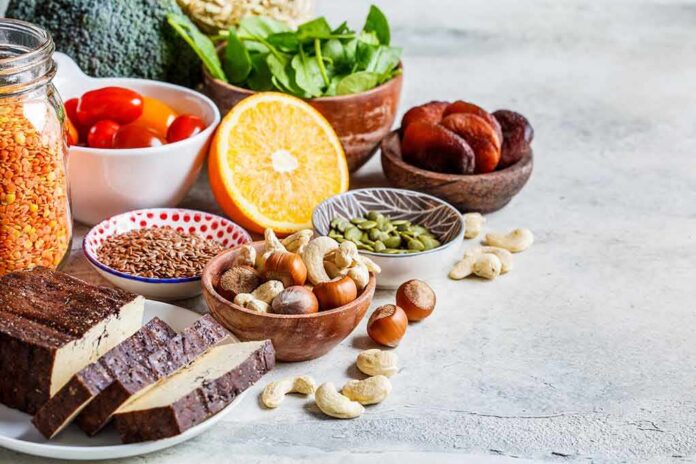
Anchor each meal with an iron source and a vitamin C side. Aim for beans or lentils daily. Rotate tofu, tempeh, and fortified cereals. Add pumpkin seeds, tahini, or cashews for a boost. Pair with citrus, berries, peppers, tomatoes, or broccoli to lift absorption. Keep tea and coffee between meals to limit blockers. Track patterns, not perfection. If energy dips, get labs, then adjust food, timing, or supplements with your doctor. Food first, data driven, results focused.
Bottom Line: Meat Is Optional, Planning Is Not
The claim that you must eat meat to avoid iron deficiency does not hold when plant meals are built with vitamin C and smart timing. Clinician guidance supports adequate iron on vegetarian diets, and research shows many plant-based eaters meet needs and sometimes exceed meat eaters in total intake. Some groups need extra care, especially menstruating women, athletes, and pregnancy, which is true across diets. Use simple pairings, repeatable meals, and regular checkups to stay iron fit.
Sources:
youtube.com, pmc.ncbi.nlm.nih.gov, pcrm.org, podcasts.apple.com, nutritionguide.pcrm.org, files.eric.ed.gov, inquirer.com