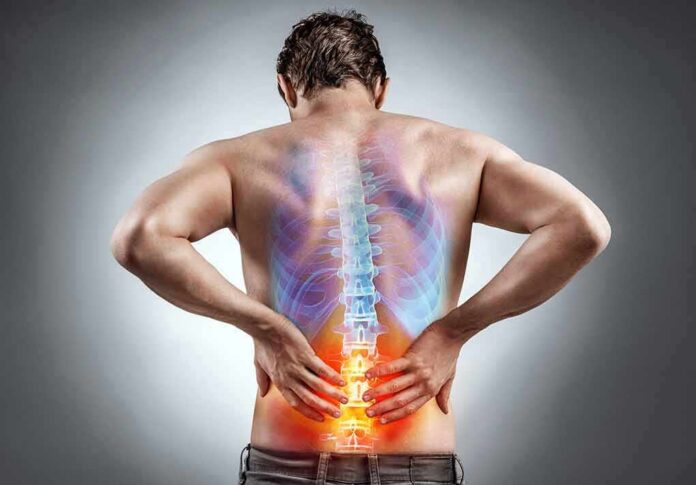
A trainer who fixed his own back pain with one move now has Men’s Health readers lacing up for split squats. The exercise works one leg at a time, and that simple detail may matter more than most people over 50 realize.
Story Snapshot
- Men’s Health profiles a trainer who credits split squats with easing his lower back pain and keeping his hips loose.
- The move trains glutes, hamstrings, and quads while targeting balance and stability, key concerns for adults over 50.
- Fitness guidance recommends split squats over bilateral barbell squats for older lifters with more wear and tear on their joints.
- Health researchers note that balance improves most reliably when strength work is paired with dedicated balance training, not a single exercise alone.
Why One Trainer Picked This Move Over Traditional Squats
The trainer behind the Men’s Health feature says the split squat keeps his hips more limber and his lower back pain-free, especially combined with regular walking. He is not alone in this view. Other Men’s Health coaching advice steers men over 50 away from heavy bilateral barbell squats, pointing instead to the split squat as a gentler but still effective option for aging joints.
That shift away from traditional squats is not about avoiding hard work. It is about matching the exercise to a body that has decades of mileage on it. A split squat still builds real strength and muscle. It just does it while asking less of a spine or hip joint that may already carry old injuries or stiffness.
What Makes a Unilateral Move Different From a Regular Squat
A split squat puts one foot forward and one foot back, then lowers the body straight down instead of out to the sides. That staggered stance forces each leg to work on its own. It exposes and corrects strength differences between the left and right side that a standard two-footed squat can easily hide.
Coaches describe this unilateral demand as a key reason the move earns its reputation. It requires real balance and joint stability in addition to raw leg power, which is exactly the combination adults over 50 are told to prioritize as they age. Standard programming calls for three to four sets of eight to ten slow, controlled reps per side.
What the Broader Research Says About Training Legs After 50
Strength coaches and medical researchers generally agree on this much: resistance training helps older adults move better, fall less, and stay independent longer. The National Strength and Conditioning Association recommends progressive resistance training that includes single-leg work like weight transfers and stepping practice as part of a complete program.
International exercise guidelines echo that approach, pointing out that resistance training can improve balance on its own but works best paired with dedicated balance drills. The World Health Organization has gone further, noting that evidence for resistance exercise alone improving certain functional tasks, like standing from a chair, remains limited without added balance components.
That nuance does not knock the split squat down a peg. It simply means the smartest over-50 training plans treat it as one strong piece of a larger puzzle rather than a silver bullet. Pair it with walking, aerobic work, and specific balance drills like single-leg stands, and the payoff compounds.
The Bottom Line for Readers Over 50
Common sense backs up what this trainer is doing. He didn’t chase a trendy new gadget or an extreme program. He found a basic, well-studied movement, did it consistently, and built his routine around what actually worked for his own body. That is a formula conservative-minded readers can respect: simple, disciplined, and grounded in results rather than hype.
For anyone over 50 wondering where to start, the split squat offers a low-cost, low-equipment entry point into serious strength training. Add consistent walking and a few minutes of balance practice, and the combination lines up closely with what researchers across multiple studies recommend for staying strong and steady for the long haul.
Sources:
menshealth.com, theworkoutmag.com, journals.humankinetics.com, aarp.org