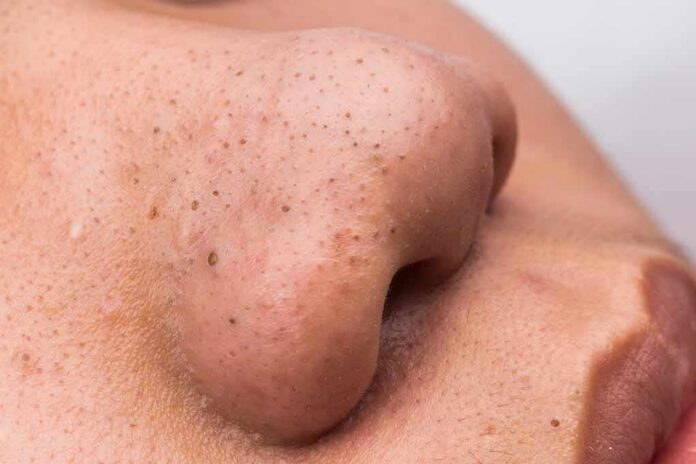
Testosterone replacement therapy can trigger acne breakouts, and doctors say the dose, the delivery method, and your own skin biology all play a role.
Quick Take
- Androgens like testosterone and DHT boost oil production in skin, a known early step in acne.
- Doctors say higher weekly doses and injection methods may raise acne risk more than steady gels or creams.
- Food and Drug Administration (FDA) drug labels already list acne as a recognized side effect of testosterone products.
- Studies show acne rates on testosterone therapy range widely, from under 1% to over 9% of patients.
Why Testosterone Therapy Triggers Breakouts
Testosterone doesn’t act alone on your skin. Enzymes convert it into dihydrotestosterone, or DHT, a hormone that binds to receptors in oil glands. Research shows DHT is five to ten times more potent than testosterone at triggering those receptors, which explains why men on replacement therapy sometimes see sudden breakouts even at modest doses.
Those receptors switch on genes that pump out sebum, the oily substance that clogs pores. A peer-reviewed review on androgens and skin disorders confirms this chain reaction: more androgen activity means more oil, and excess oil is one of the earliest triggers in acne formation. For men starting therapy, this is the biological starting point behind every breakout that follows.
Acne itself isn’t caused by oil alone. Bacteria, clogged follicles, and inflammation all join the process. A review on hormone-driven skin conditions describes acne as a multifactorial condition, meaning testosterone sets the stage but other factors decide whether a breakout actually happens. That helps explain why two men on the same dose can have completely different skin outcomes.
Dose And Delivery Method Matter
Houston Methodist urologist Akhil Muthigi told Men’s Health that men taking higher weekly doses, especially near or above 200 milligrams, tend to see more acne. He added that breakouts can still happen at lower doses, so no amount is fully risk-free. Genetics also matter. Muthigi pointed to the number of androgen receptors in a person’s skin as a key factor in who breaks out and who doesn’t.
Dermatologist Danny Guo told the same outlet that delivery method changes the picture too. Daily creams and gels release testosterone steadily, while injections can cause sharp spikes. Guo said those spikes are more likely to trigger acne than the slow, even release from topical treatments. That theory lines up with broader hormone research showing that sudden surges in androgen activity can overwhelm oil glands faster than a steady supply.
A 2025 scoping review of testosterone therapy studies backs up the pattern. Acne rates ranged from 0.6% to 9.1% across the research, with injectable forms generally producing higher rates than gels or oral options. That spread shows real variation by delivery method, even without a single controlled trial isolating TRT acne risk alone.
What Drug Labels And Regulators Already Confirm
Acne isn’t a fringe claim buried in internet forums. FDA prescribing information for testosterone gel lists acne among the most common adverse reactions, reported in at least 5% of patients in clinical trials, with one AndroGel study showing a 3.1% rate. That’s an official, documented side effect recognized by regulators, not just an opinion shared in a magazine article.
The American Academy of Dermatology echoes the same mechanism for anyone raising testosterone levels, noting that the hormone increase drives higher sebum production, which clogs pores and leads to whiteheads, blackheads, and pimples. This applies broadly across situations where testosterone levels rise, reinforcing that the skin reaction is tied to the hormone itself, not a rare quirk of one brand or formula.
What This Means For Men On Therapy
One caveat is worth noting: most of the detailed research on androgen-driven acne comes from studies on women with hormone imbalances, not from large trials focused specifically on men using replacement therapy. That gap doesn’t erase the pattern, but it does mean dose thresholds and formulation comparisons remain based on clinical experience rather than hard trial data.
Men noticing new breakouts after starting therapy aren’t imagining a connection. The hormone science, the regulatory labels, and doctor observations all point the same direction. Talking to a prescribing physician about dose, delivery method, and skin history gives men a practical way to manage the tradeoff between muscle, mood, and energy benefits against the risk of a breakout nobody wants in their forties or fifties.
The bottom line is simple. Testosterone replacement therapy can cause acne, the mechanism is well understood, and the risk varies by dose, delivery, and individual skin biology. That gives men a clear, science-backed reason to raise the topic directly with their doctor rather than brushing off new breakouts as unrelated.
Sources:
menshealth.com, link.springer.com