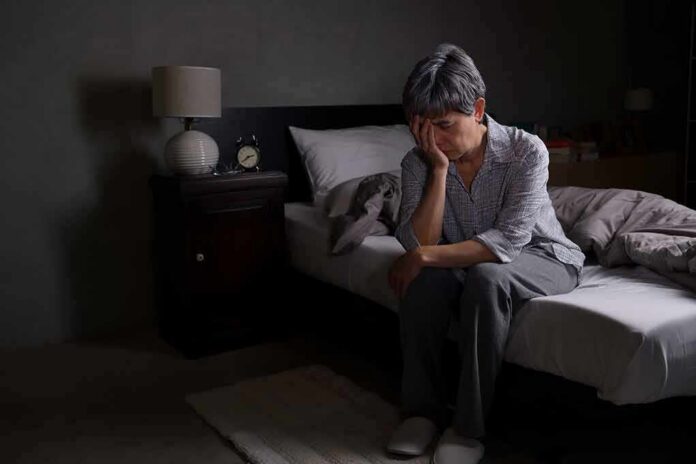
Sleep doctors agree on one rule that beats almost every bedtime hack: if you cannot sleep, get out of bed.
Quick Take
- Sleep doctors recommend leaving bed after about 20 minutes awake and returning only when sleepy
- This method, called stimulus control, is backed by the American Academy of Sleep Medicine
- Federal health guidelines favor behavioral therapy over melatonin or chamomile for chronic insomnia
- CPAP users sleep better with a properly fitted mask, not just more hours wearing it
The 20-Minute Rule Doctors Actually Trust
The American Academy of Sleep Medicine tells patients to go to bed only when sleepy. If sleep does not come within about 20 minutes, get up. Do something calm and quiet. Go back to bed only when drowsy again. This instruction is called stimulus control, and it is one of the most studied tools in sleep medicine.
The goal sounds simple, but it fixes a real problem. Lying awake, frustrated, teaches your brain that the bed means stress instead of sleep. Stimulus control breaks that bad habit on purpose. It rebuilds a clear, positive link between your bed and actual sleep, along with a steady wake-up time every day.
Doctors who treat insomnia for a living, including popular sleep specialists sharing tips online, repeat this same advice constantly. It is not a trendy hack. It is a core piece of cognitive behavioral therapy for insomnia, often called CBT-I, which clinics across the country already bill as a standard treatment session.
Why Supplements Get Less Credit Than You Think
Melatonin shows up in almost every sleep conversation, and it does have a real job. Research shows it can help people reset their body clock after jet lag or shift work, and it may shorten the time it takes to fall asleep in some cases.
But federal treatment guidelines draw a sharp line here. The latest joint guidance from the Department of Veterans Affairs and Department of Defense recommends behavioral therapy as the first choice for chronic insomnia. It specifically advises against leaning on melatonin or chamomile for that long-term problem, and says there is not enough evidence to recommend magnesium either way.
That gap matters for anyone scrolling through sleep advice online. A habit like leaving bed after 20 minutes rests on decades of clinical study. A supplement claim often rests on a much thinner shelf of evidence, even when it gets packaged with the same confident tone. Readers deserve to know which is which before they build a routine around it.
CPAP Comfort Changes Everything for Apnea Patients
For the millions of Americans managing sleep apnea, falling asleep faster often comes down to one stubborn problem: the mask. Studies on CPAP use consistently point to mask fit and comfort as the biggest factor in whether people actually keep the device on through the night.
Nasal masks and nasal pillows tend to score better than full oronasal masks on leak rates and comfort in much of the research, though results vary by study design. Clinicians are told to carefully fit the interface, manage leaks, and address nasal obstruction before assuming the pressure settings themselves are the issue.
That distinction matters because frustrated CPAP users sometimes give up on therapy entirely, assuming the machine simply does not work for them. In many cases, a mask swap or refit solves the problem, not a change in pressure or a new device altogether.
What This Means for Anyone Staring at the Ceiling Tonight
The throughline across sleep medicine guidance is consistent. Behavior change, not a pill or a gadget, carries the strongest evidence for fixing chronic insomnia. Leave the bed when you cannot sleep. Keep a steady schedule. Save the bed for sleep. Treat supplements and mask upgrades as supporting players, not the main event.
That message runs against a culture obsessed with quick fixes and trending hacks. It is not flashy advice, and it will not sell a bottle of pills. But it comes from the same clinical guidelines doctors use to treat real patients, and it costs nothing to try tonight.
Phone charges across the room. Yes, really. Cooler, darker room. Caffeine earlier in the day. If sleep has been rough for weeks, it's worth a chat with your doctor. Plain, sensible tips from the NHS: https://t.co/45MOQTwxEP
— LiveHappyTips (@LiveHappyTips) October 28, 2026
Common sense has always said that habits beat shortcuts, and sleep medicine backs that up with decades of data. Before reaching for another supplement, the simplest and best-tested option is also the cheapest one.