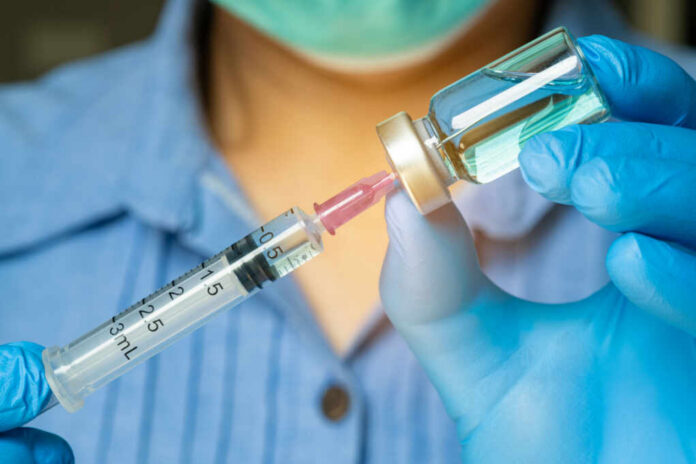
A tiny experimental shot that teaches your immune system to grab fentanyl before it reaches your brain might quietly become the most controversial “vaccine” of the decade.
Story Snapshot
- Scientists built vaccines that make antibodies grab fentanyl in the blood so it cannot shut down breathing.
- In animals, these shots cut fentanyl in the brain by around 70% and kept rats from overdosing.
- First human trials are starting now, but no one knows yet if they will work or how long protection lasts.
- The vaccine prevents overdoses; it does not fix addiction and it does not replace naloxone rescue.
How a fentanyl vaccine actually works in the body
Researchers are not trying to fight a germ here. They are turning your immune system against a chemical that right now slips into the brain almost unchecked. Fentanyl is small and sneaky. It crosses the blood–brain barrier, hits opioid receptors in the brainstem, and can shut down breathing in minutes. The vaccine strategy is simple on paper: attach a tiny, harmless piece of fentanyl to a larger carrier protein, inject it, and let the immune system learn that shape so it can attack the real drug later.
Once trained, your immune system makes antibodies that float in the blood, waiting. If fentanyl comes in, those antibodies latch onto the drug. That new antibody–drug complex is big, bulky, and cannot easily cross into the brain. Animal studies show this can keep most of the fentanyl out of brain tissue and trapped in the bloodstream, where the kidneys can slowly clear it.[4] The idea is not to cure addiction, but to turn fentanyl from a brain poison into something your body handles like waste.
What the animal studies really showed about overdose protection
Researchers tested early versions of this idea in mice and rats. One key study found that vaccinated animals had much less fentanyl in their brains and showed weaker pain relief and less slowing of breathing compared to unvaccinated ones.[4] The dose–response curve for respiratory depression shifted to the right, which means it took far more fentanyl to cause the same dangerous effect. Naloxone, the standard rescue drug, still worked when needed, which is vital for real-world use.[4]
Newer work from Scripps Research and others raised the bar again. Reports from these teams say vaccinated mice had near-normal breathing after fentanyl exposure and about 70 percent lower fentanyl levels in the brain than controls.[1] Other animal studies describe rats with almost total blockade of fentanyl’s effects for months, including no respiratory suppression at doses that would normally kill.[6] To people who have watched the overdose death curve climb, those numbers sound almost too good to be true—which is why translation to humans matters so much now.
Human trials, hype, and what we still do not know
The first serious human testing is starting in the Netherlands, backed by a company called ARMR Sciences.[1][3] Around 40 volunteers will get different dose levels. Researchers will watch for side effects and measure how many anti-fentanyl antibodies each person makes.[3] If all goes well, later phases may include controlled, very small fentanyl challenges in a monitored setting to see whether the drug still reaches the brain and how strongly it acts. For now, there is zero human outcome data on overdose prevention.
Some media pieces throw around phrases like “prevents overdose” as if this shot will be at your local pharmacy next year. That is not honest. Animal results often look clean and strong. Human biology is messy. Antibody levels vary from person to person. Some people might mount weak responses and stay at risk. Others might see protection fade fast and need boosters every few months. No one yet knows how long a working antibody level will last in real patients.[1][3]
Who this could help, and where it clearly falls short
This kind of vaccine is not aimed at kids in health class. The obvious first group is adults with severe opioid use disorder who keep hitting fentanyl-laced supplies and want help staying alive. For someone tired of waking up in emergency rooms, a shot that blunts fentanyl’s “high” and overdose risk could support treatment and relapse prevention.[2] The key test here is responsibility: you still choose to get the shot, and you still choose whether to use drugs, but the floor under your worst mistake gets stronger.
A new experimental vaccine developed by Scripps Research could offer a powerful new way to prevent fentanyl overdoses by stopping the drug before it reaches the brain. Rather than targeting only fentanyl itself, the vaccine trains the immune system to recohttps://t.co/FdTHG3QUVg
— Michael W. Deem (@Michael_W_Deem) June 13, 2026
Limits remain sharp. The vaccine is fentanyl-specific. It does not block alcohol, benzodiazepines, xylazine, or other drugs that now mix with fentanyl in street supplies.[5] It will not stop withdrawal. It will not fix the reasons people start using. It cannot replace police, family, or faith. At best, it becomes another tool, like seatbelts or fire alarms. You hope you never need it, but you are glad it is there when someone slips.
Sources:
[1] Web – New fentanyl vaccine blocks deadly overdoses before they start
[2] Web – Scripps Research Fentanyl Vaccine Blocks Overdoses by Targeting …
[3] Web – Investigation of monoclonal antibody CSX-1004 for fentanyl overdose
[4] Web – Research shows fentanyl vaccine significantly reduces brain levels …
[5] Web – Efficacious Vaccine against Heroin Contaminated with Fentanyl – PMC
[6] Web – Experimental vaccine protects against fentanyl and related opioids
[8] YouTube – Scripps Research scientists redesign fentanyl in search of safer pain …