Your gut bacteria could be silently eroding your memory long before Alzheimer’s symptoms appear, opening doors to simple dietary fixes that might halt cognitive decline.
Story Snapshot
- GWU review of 58 human studies links gut dysbiosis to MCI and Alzheimer’s, with elevated Pseudomonadota and reduced diversity.
- Functional shifts in gut microbes impair energy and immune pathways, fueling neuroinflammation via gut-brain axis.
- Lead researcher Leigh Frame calls for trials on probiotics and fiber-rich diets as modifiable interventions.
- Stanford mouse studies show reversals via phages and vagus stimulation, hinting at human potential.
- Affects 6.7 million US cases; could slash $360B annual costs through preventive gut health.
Gut Dysbiosis Patterns in Human Studies
George Washington University researchers analyzed 58 human studies up to February 2023, published January 22, 2026. They found consistent gut microbiome dysbiosis in mild cognitive impairment and Alzheimer’s patients. Pseudomonadota and Actinomycetota phyla levels rose sharply compared to healthy older adults. Microbial diversity dropped, with stage-specific signatures emerging. These patterns held across observational data, avoiding animal model pitfalls.
Microbiota-Gut-Brain Axis Mechanisms
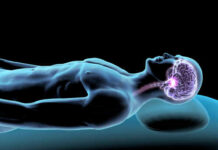
Pre-2023 studies documented increased Gram-negative Bacteroides producing lipopolysaccharide, sparking inflammation. Short-chain fatty acid producers like butyrate declined, weakening gut barrier integrity. Multi-omics from 2023-2025 linked Staphylococcus and Bacillus rises to metabolites such as arachidonic and lithocholic acids. These changes drive hippocampal impairment through gut-brain signaling. Dysbiosis appears more severe in Alzheimer’s than MCI.
Lead Researchers and Key Findings
Leigh Frame, GWU Associate Professor, led the review, emphasizing human data for real-world translation. She stated microbial signatures provide a starting point, with trials underway in her lab and globally. GWU School of Medicine pursues microbiome interventions. Stanford’s Thaiss team detailed a three-step pathway in mice: GI aging alters microbes, producing medium-chain fatty acids that impair vagus nerve signaling to the hippocampus. Phage targeting Parabacteroides goldsteinii reversed memory decline.
Promising Interventions and Trials
Human data remains observational, establishing no causality yet. Mouse reversals via antibiotics, phages, and vagus stimulation offer mechanistic hope. Protective bacteria like Akkermansia muciniphila, Odoribacter, and Butyricimonas link to larger hippocampal volumes through SCFAs. Frame advocates fiber-rich diets and probiotics. Ongoing human trials test these, potentially slowing progression before neurodegeneration sets in.
Impacts on Patients and Society
Alzheimer’s strikes 6.7 million Americans and 50 million worldwide. Families and caregivers face immense burdens. Short-term, validated gut strategies support trials. Long-term, microbiome modulation could shift aging to proactive gut health. Economic savings hit $360 billion yearly in US care costs. Biotech surges in phages and probiotics; dietary guidelines may evolve. Political push for funding follows scale, rewarding preventive common sense.
Sources:
Psychiatric Times: Changes in Gut Microbiome
PMC Review on Microbiome and Cognition
Stanford Medicine: Gut-Brain Cognitive Decline
GW Hatchet: Researchers Find Gut Bacteria Tied to Cognitive Decline