Your gut harbors trillions of microbes that secretly dictate your mood, potentially holding the key to conquering depression without popping another pill.
Story Snapshot
- Gut-brain axis links intestinal bacteria directly to mental health via neural pathways and metabolites.
- Specific bacteria like Eggerthella overgrowth correlate with depression; Subdoligranulum depletion worsens symptoms.
- Diet rich in fiber, omega-3s, vegetables, and legumes nurtures beneficial microbes for better cognition and stress response.
- Clinicians urged to assess gut health in mental health intakes for holistic treatment.
- Emerging therapies like probiotics and fecal transplants promise paradigm shift in psychiatry.
Microbiota-Gut-Brain Axis Mechanisms
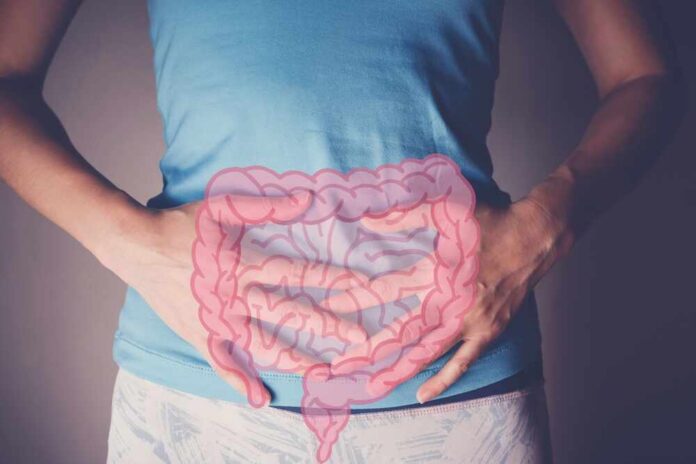
The vagus nerve and enteric nervous system form direct neural pathways connecting gut and brain. Gut microbes produce short-chain fatty acids, neurotransmitters, and bioactive compounds. These metabolites cross the blood-brain barrier, reducing inflammation and enhancing cognitive function. Hormones and immune cells enable bidirectional signaling, where stress alters gut composition and dysbiosis amplifies anxiety. Research from NIH confirms this network influences mood, behavior, and stress responses comprehensively.
Landmark Studies Linking Bacteria to Depression
UCLA researchers analyzed 2,539 adults, revealing consistent bacterial patterns tied to mental health surveys. Eggerthella overgrowth strongly associated with depression, matching prior findings. Depleted Subdoligranulum levels correlated with severe depressive symptoms. Omega-3-rich diets boost Subdoligranulum populations, offering a practical fix. Stanford and Nature Communications studies reinforce these connections, challenging brain-only mental health models with microbiome evidence.
Practical Dietary Interventions for Mental Wellness
Gut microbes thrive on dietary fiber from vegetables, leafy greens, fruits, nuts, grains, and legumes. These foods fuel beneficial bacteria, producing mood-regulating compounds. Omega-3 fatty acids specifically support anti-depressant microbes like Subdoligranulum. Patients report mood improvements from such shifts, aligning with values of self-reliance through nutrition over endless prescriptions.
Clinical Shifts and Therapeutic Innovations
Mental health providers now integrate gut health questions into intakes, screenings, and interventions. Probiotics, dietary changes, exercise, and psychological therapies target the axis effectively. Fecal microbiota transplantation emerges for severe cases. AAMFT and Palo Alto University stress clinician training for this holistic model. Evidence links axis dysfunction to anxiety, bipolar, schizophrenia, Alzheimer’s, and Parkinson’s, broadening applications.
Holistic strategies combine cognitive training, physical activity, balanced diets, social engagement, and health monitoring. Dysbiosis drives immune disruptions and neurotransmitter imbalances in mental illness. Stress bidirectionally reshapes microbiota, perpetuating cycles.
Sources:
NIH/PMC (PubMed Central) – microbiota-gut-brain axis review
UCLA Health – Research says gut-brain axis plays role in mental health
Palo Alto University – The Microbiota-Gut-Brain Axis
AAMFT – The Gut-Brain Axis: A Call on Mental Health Providers
Stanford Medicine – Gut-brain connection in Long COVID, anxiety, Parkinson’s