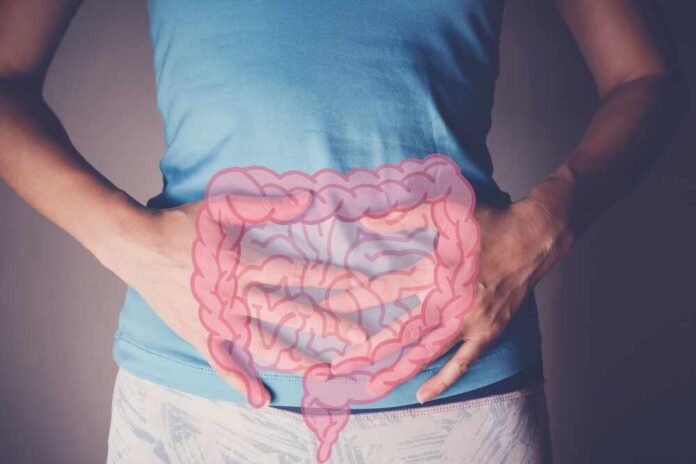
Water, the simplest drink on earth, quietly commands your gut microbiome more powerfully than any trendy probiotic.
Story Snapshot
- Water maintains gut balance by supporting digestion, pH levels, and short-chain fatty acid production like butyrate.
- Dehydration triggers harmful microbial shifts, boosting problematic bacteria and weakening immunity.
- Your water source—well, tap, or bottled—shapes microbiota diversity as much as diet does.
- Well water users show higher bacterial diversity, linked to better resilience.
- Track intake with apps to optimize this forgotten nutrient over fermented fads.
Water Drives Gut Microbiome Mechanisms
Water facilitates digestion by transporting nutrients and maintaining mucosal linings in the intestines. It optimizes pH levels essential for beneficial bacteria growth. Fiber fermentation relies on adequate hydration to produce butyrate, an anti-inflammatory short-chain fatty acid. Without sufficient water, these processes falter, leading to sluggish transit and poor nutrient absorption. Studies confirm water’s direct role in microbiome stability.
Dehydration Disrupts Microbial Balance
Dehydration causes bacterial overgrowths, such as increased Verrucomicrobiaceae and decreased Lachnospiraceae families. Mouse experiments with water restriction revealed disrupted homeostasis, bacterial blooms invading epithelia, and immune cell losses. Human parallels emerge in dry climates where low intake correlates with dysbiosis. Restoring hydration reverses these shifts, preventing inflammation.
Water Source Rivals Diet in Influence
American Gut Project analyzed thousands, finding water source explains microbiota variation comparable to diet or alcohol. Well water boosts alpha-diversity over tap or bottled, delivering minerals and microbes. Populations in Himalayas and East Africa show stream versus well water drives distinct profiles. Tap water carries environmental microbes shaping composition. Report your source in studies for accurate research.
Research Evolution Spotlights Hydration
Gut microbiome science exploded post-2007 Human Microbiome Project, initially overlooking hydration. Pre-2020 studies linked it to transit and diversity. 2020 UK research proved tap water vehicles gut-shaping microbes. 2022 American Gut paper scaled human data, urging water as a key covariate. No health outcome trials exist yet, but consensus grows on its foundational role.
WaterH promotes smart bottles tracking intake for microbiome benefits. Their campaign frames water as the hero, aligning with peer-reviewed findings on purity and volume.
Stakeholders Advance Water’s Case
American Gut Project researchers map water’s effects through open data. PMC authors detail dehydration’s immunology links via grant-funded mouse models. WaterH sells devices tying hydration to gut health. Dr. Josh Axe lists water first among gut drinks, prioritizing it over ferments. Biocodex Institute disseminates source impacts. Academics hold authority; promoters apply facts without exaggeration.
Impacts Favor Simple Hydration
Short-term, better hydration eases IBS and prevents dysbiosis. Long-term, it counters chronic inflammation and immune decline. General populations, athletes, and dry-climate dwellers benefit most. Economically, smart bottles rise; socially, free water challenges pricey probiotics. Fermented markets like kombucha face scrutiny as water proves baseline. Personalized nutrition refines with water data.
Sources:
The Gut-Hydration Connection: How WaterH Helps Your Microbiome Thrive
PMC Article on Water Restriction and Microbiome
Best Drinks for Gut Health by Dr. Josh Axe
American Gut Project: Water Source and Microbiota
Is Water the Forgotten Nutrient for Your Gut Microbiota?
Tap Water Microbes and Gut Composition
Water Source: Life for Microbiota by Biocodex