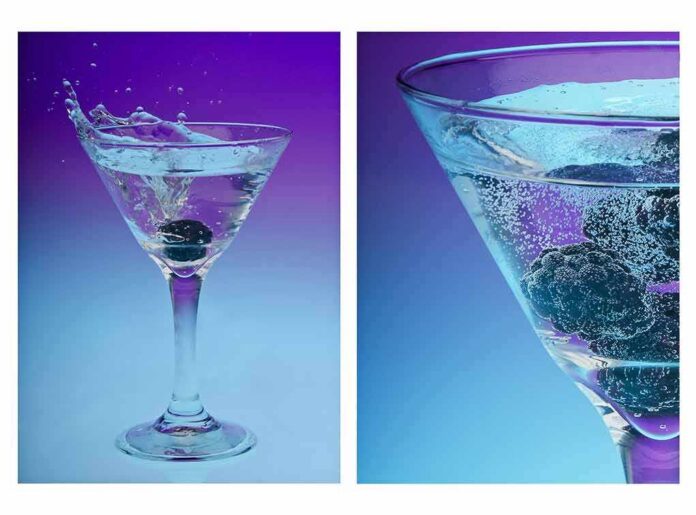
Sparkling water will not rot your teeth like a can of soda, but dentists say the fizzy drink is not the harmless twin of tap water many people assume it to be.
Quick Take
- Plain sparkling water is only “minimally erosive” compared to soda, according to the American Dental Association.
- Flavored sparkling waters with citric acid pose a bigger risk to enamel than plain versions.
- A lab study on donated teeth found sparkling water acted similarly to regular water.
- Dentists agree sipping slowly all day is worse for teeth than drinking a glass quickly.
What The Research Actually Shows
The American Dental Association says plain sparkling water is safe to drink in moderation. Its consumer guidance describes the drink as only minimally erosive when compared to sodas and sports drinks, giving people a clearer answer after years of mixed headlines about fizzy water and enamel damage.
One study cited by the Association’s consumer health site tested donated human teeth removed during dental treatment. Researchers soaked the teeth in sparkling water and compared the results to teeth soaked in regular lab water. The two groups showed roughly the same amount of wear, suggesting carbonation alone does not aggressively attack enamel.
Not every source agrees the risk is zero. A lab study published through the National Center for Biotechnology Information found carbonated water did reduce enamel hardness on teeth that had already been etched or treated with dental sealant, with damage growing worse at higher carbonation levels. That finding matters mostly for people who already have weakened enamel from other causes.
Why Flavor And Habits Matter More Than Bubbles
Dentists point to flavoring, not carbonation, as the bigger threat. Flavored sparkling waters often contain citric acid to boost taste, and that acid lowers the drink’s pH more than plain carbonation does. The Association’s guidance warns that people who drink flavored, citric-acid sparkling water face more erosion risk than plain-water drinkers.
How someone drinks matters just as much as what they drink. Sipping a sparkling water slowly over hours keeps the mouth in an acidic state longer, which gives enamel less time to recover. A nutrition watchdog group notes that drinking sparkling water with food, rather than alone, raises mouth pH and lowers the risk.
Comparisons to soda remain the clearest data point across nearly every source reviewed. A Washington Post review of plain sparkling waters found their pH levels stayed above the critical threshold linked to enamel damage, concluding that plain sparkling water is a better choice than soda, sports drinks, or fruit juice from both a dental and general health standpoint.
Where Real Uncertainty Still Exists
Scientists have not run large, long-term human studies tracking sparkling water drinkers over years. A nutrition watchdog group points out that no long-term studies have measured actual enamel erosion in real people who drink seltzer regularly, meaning most current guidance comes from short lab experiments on extracted teeth rather than lived outcomes.
That gap explains why dental advice sounds inconsistent online. Some dental practice websites emphasize caution around frequent flavored seltzer use, while consumer health outlets stress that plain sparkling water poses little risk. Both claims can be true at once because they describe different products under the same “sparkling water” label.
Unsweetened sparkling water may offer a tooth-friendlier alternative to sugary soda, according to a small preliminary study tracking how different drinks change mouth acidity. Soda caused the strongest and longest drop in salivary pH, while sparkling waterhttps://t.co/CmPGkR4eTh
— Michael W. Deem (@Michael_W_Deem) July 27, 2026
The practical takeaway from dentists is simple. Plain sparkling water in moderate daily amounts is not a major dental threat for most healthy adults. People who want extra protection can drink it with meals, avoid sipping it all day, and rinse with plain water afterward, especially if they choose flavored versions.
Sources:
sciencedaily.com, today.com, telegraph.co.uk, canyonroaddentalteam.com, cspi.org, reddit.com