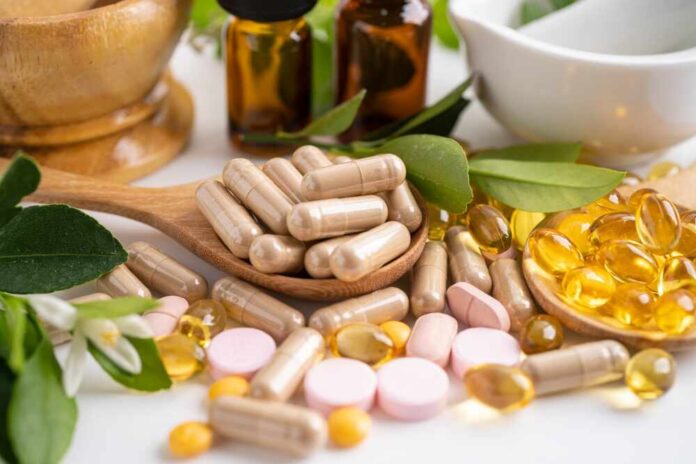
The wellness aisle is packed with “natural miracles,” but only a tiny fraction are backed by real science instead of clever marketing and wishful thinking.
Story Snapshot
- Most “natural” wellness products lean on emotion and buzzwords, not solid evidence or safety.
- Scientific proof, real doctor review, and honest labels are the only way to sort help from hype.
- Paid influencers, vague “medically reviewed” badges, and detox claims often hide weak or fake science.
- A simple checklist mindset can protect your wallet, your health, and your common sense.
Why “Natural” Products Demand More Skepticism, Not Less
The modern wellness market is huge, emotional, and noisy. Companies sell powders, drops, and gadgets as lifestyle upgrades, not medical tools, so they can imply benefits without proving much. Many consumers see “natural” and relax their guard, even though plenty of poisons in history came straight from plants. Pseudoscience thrives in this space, with experts warning about baseless claims and fake legitimacy that put safety and trust at risk. In plain terms, the more a product leans on vibes instead of data, the more carefully you should inspect it.
Regulators like the Federal Trade Commission require health claims to be backed by competent and reliable scientific evidence, ideally peer-reviewed and reproducible. That standard matters because real studies must show the product works better than a placebo and does so safely in humans. Weak lab data, tiny pilot trials, or vague “research suggests” lines are not the same thing. In a market worth trillions, companies can afford flashy branding, but many still avoid the cost and risk of running proper clinical trials. Your job, as a buyer, is to tell the difference.
How To Read Wellness Claims
Marketing teams design wellness labels to tug at feelings: fear of illness, guilt over aging, hope for energy and weight loss. They use words like “detox,” “revive,” “boost immunity,” and “alkalize” that sound scientific but often clash with basic biology. Real doctors point out that your liver already detoxifies your blood all day, and your body tightly controls pH levels whether you drink “alkalizing” tea or not. Claims that ignore simple physiology are red flags. If a promise breaks basic biology, it does not deserve your trust or your money.
Serious physician-endorsed reviews look very different from influencer ads. Board-certified doctors explain how a product works in clinical terms, who it may help, who should avoid it, and what doses are reasonable. They check for drug-supplement interactions and compare claims to actual human clinical trials. The Federal Trade Commission expects doctor endorsements to include clear qualifications, genuine examination of the product, and honest disclosure of any financial ties. That aligns with a simple value: you should know if the person praising a product is paid to say so.
Why Badges, Testimonials, And Influencers Are Not Enough
Online, you will see “medically reviewed” stamps on wellness content. Many readers assume a doctor tested the product and found it appropriate for them. In reality, those badges usually mean a clinician checked the article for accuracy, not that they personally assessed the product for safety or effectiveness in real patients. That quiet distinction lets marketing teams borrow medical authority without doing the hard work of true clinical review. From a consumer standpoint, that is a half-truth. It sounds safe, but does not answer the question: “Would this doctor actually recommend this to someone like me?”
Testimonials and influencer stories bring another layer of risk. People describe their “gut healing journey” or “energy miracle” after using a product for a few weeks. Many of those voices are paid partners or affiliates whose income depends on selling hope, not reporting failure. Research on predatory health marketing shows that repeated exposure to such content increases belief in misinformation and pushes some users toward risky choices. That pattern clashes with values of personal responsibility and truth-telling. Feel-good stories are easy to fake; peer-reviewed data is not.
The Evidence-First Checklist Every Buyer Should Use
Careful evaluation starts with a simple checklist approach. First, look for transparent ingredient lists you can read and recognize. Hidden “proprietary blends” make it impossible to know what you are taking or at what dose. Next, look for third-party testing or certifications that confirm the label matches what is in the bottle and that it is free of contaminants. Independent labs and accreditation give you more than a brand’s word. If the company cannot show test results tied to batch numbers, that should concern you.
Then, follow the evidence trail. Credible brands and physicians link to specific studies, preferably randomized controlled trials in humans, not just petri dish or animal data. Tools like ConsumerLab and Natural Medicines databases help non-experts check whether an ingredient actually has human research behind it. Finally, think about dose, delivery, and fit with your own health. A tiny sprinkle of an herb may sound nice but do nothing biologically. Supplements should support, not replace, real medical care. The goal is not to fear every product but to demand adult-level proof before you swallow the pitch.
Sources:
artofhealthyliving.com, allureaestheticsllc.com, topdoctormagazine.com, fatty15.com, cris.msu.edu, pubmed.ncbi.nlm.nih.gov, iqvia.com, laneblog.stanford.edu, instagram.com