The fastest way to make “anti-inflammatory eating” real is to stop chasing perfect foods and start building every plate with the same four repeatable moves.
Quick Take
- Anti-inflammatory eating is a pattern, not a detox, and it works best when it becomes your default meal template.
- Four practical “hacks” cover nearly every meal: build a plant-heavy base, choose smart fats, prioritize protein quality, and upgrade flavor with spices and fermented foods.
- Small, consistent swaps beat willpower: frozen produce, canned fish/beans, and pantry staples make the plan doable on a Tuesday night.
- Evidence-backed anti-inflammatory patterns overlap heavily with Mediterranean-style eating and emphasize fiber, omega-3s, and minimally processed foods.
Hack #1: Start Every Meal With a High-Fiber, Color-Heavy Base
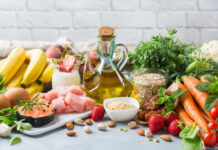
Vegetables, beans, fruit, and whole grains do the unglamorous work that most “miracle” supplements promise: they raise fiber, deliver antioxidants and polyphenols, and crowd out ultra-processed extras that quietly inflate calories and sodium. The easiest rule is visual: half your plate plants, then fill the rest with protein and smart fats. Use frozen vegetables, bagged salad, and microwavable grains to make the “base” automatic.
Adults over 40 often underrate this step because it sounds like a salad lecture. Think of it as inflammation insurance with side benefits you actually feel: steadier energy, fewer blood sugar spikes, and better digestion. Beans are the secret weapon because they act like both vegetable and protein. Toss chickpeas into a skillet dinner, add lentils to soup, or keep black beans for fast bowls with salsa and avocado.
Hack #2: Make Fat a Tool—Choose Olive Oil, Nuts, Seeds, and Omega-3 Fish
Fat isn’t the villain; the wrong fats are. Anti-inflammatory eating usually pushes you toward unsaturated fats—extra-virgin olive oil, nuts, seeds, and fatty fish—while reducing frequent hits of highly processed, deep-fried, or trans-fat-laced foods. The practical move is to pick one “house fat” and use it consistently. Keep olive oil on the counter, a bag of walnuts or chia seeds in the pantry, and canned sardines or salmon ready for lunches.
People get stuck because they treat omega-3 fish like a gourmet project. Make it boring. Two times a week, rotate salmon, trout, sardines, or mackerel, and don’t overthink the prep: sheet pan, air fryer, or simply mix canned fish with mustard and lemon. When you can’t do fish, use ground flax or chia in oatmeal or yogurt. The point is repeatability, not culinary heroics.
Hack #3: Stop Letting “Protein” Mean Processed Meat
Protein quality matters because inflammation often rides along with what’s packaged around the protein: saturated fat, sodium, preservatives, and refined carbs. Aim for a rotation that includes fish, poultry, eggs, yogurt or kefir, tofu/tempeh, and legumes. If you enjoy red meat, treat it as an occasional guest rather than the daily headliner. Your goal is steady protein at meals without turning lunch into deli meat roulette.
Buy simple, recognizable ingredients and cook them once for multiple meals. Roast chicken thighs, hard-boil eggs, or batch-cook turkey chili. Keep Greek yogurt for breakfast and sauces. Use tofu in stir-fries or tacos. You reduce reliance on expensive, heavily marketed “health” products and keep control of what’s in your food.
Hack #4: Use Spices, Herbs, and Fermented Foods to “Turn Up” the Anti-Inflammatory Signal
Flavor is compliance. If anti-inflammatory food tastes like punishment, it won’t last past the weekend. Spices and herbs add compounds linked with antioxidant and anti-inflammatory effects, and they help you rely less on sugar and excess salt. Keep a short list you actually use: turmeric, ginger, cinnamon, garlic, black pepper, oregano, and smoked paprika. Add one fermented food a day—yogurt, kefir, sauerkraut, kimchi, or miso—to support gut-friendly variety.
Make this hack concrete with two repeatable “finishing” routines. Routine one: olive oil + lemon + garlic + herbs on vegetables, fish, and grains. Routine two: yogurt or kefir + spices (cinnamon, ginger) for breakfast, or yogurt + garlic + dill as a sauce for dinner. These finishes create the feeling of a complete meal while quietly improving nutrient density. The win is consistency, not exotic ingredients.
The bigger story behind these hacks is that anti-inflammatory eating succeeds when it behaves like a system. A system survives busy weeks, travel, and family preferences. Build your default grocery list around plants, smart fats, and high-quality proteins, then use spices and fermented foods to keep it satisfying. If the research sounds complex, the practice isn’t: choose a base, add a better fat, pick clean protein, and finish with flavor. Repeat.
Sources:
Food as Medicine: Anti-Inflammatory Diet
Quick start guide to an anti-inflammation diet
For a healthy approach to food, consider anti-inflammatory eating
https://pmc.ncbi.nlm.nih.gov/articles/PMC11576095/