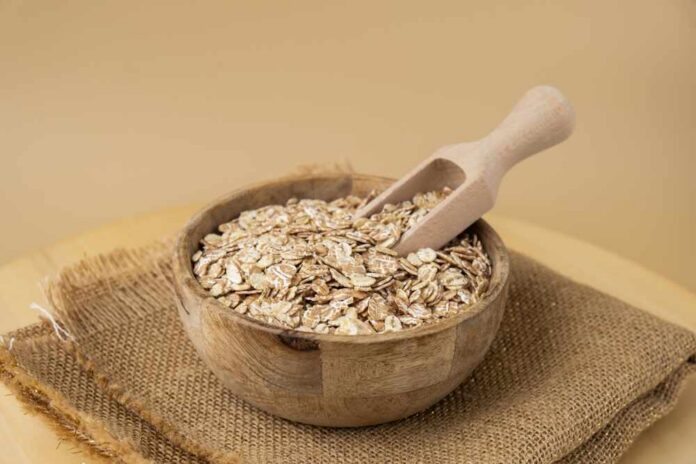
Oatmeal can quietly pull blood sugar down for people with diabetes—but only if you use the right kind, in the right way.
Story Snapshot
- Oats contain beta-glucan, a special fiber that lowers blood sugar after meals.
- Clinical trials show small but real drops in fasting glucose and A1c with daily oats.
- Instant oatmeal can spike blood sugar like dessert, especially for seniors.
- Whole, less-processed oats with added protein and fat work far better than “naked” oats.
Why Oatmeal Matters So Much For Diabetes
People with type 2 diabetes live with one core problem: their bodies struggle to handle sugar in the blood. That sugar does not just come from desserts. It comes from every carb-heavy breakfast that digests too fast. Oatmeal sits right at this crossroads. It can act like a slow-release aid, or like a sugar bomb, depending on how it is grown, processed, and eaten. That is why the science around oats deserves more attention than the box marketing claims.
Researchers have now pooled data from many trials to see what oats really do for diabetes. One large meta-analysis in adults with type 2 diabetes found that eating oats or oat beta-glucan cut fasting blood glucose and slightly lowered hemoglobin A1c, the three-month blood sugar marker. These changes were not huge, but they were real and consistent. Another review across 16 studies reported better glucose control and improved insulin sensitivity plus better cholesterol in people eating oats compared to control diets. That is a solid signal: oats help, but they are not magic.
The Fiber In Oats And How It Changes Blood Sugar
The main reason oats help blood sugar is a fermentable fiber called beta-glucan. This fiber mixes with water in your gut and forms a gentle gel. That gel slows how fast your body absorbs sugar from the meal. In trials, meals with oat beta-glucan lowered after-meal blood sugar and insulin levels compared with the same carbs without it. A more recent meta-analysis showed a clear dose response: every extra gram of oat beta-glucan cut fasting glucose by about 0.39 millimoles per liter. That is the kind of clear, measurable effect most nutrition fads never show.
Whole oats appear to beat isolated fiber extracts. One trial pool found that people eating whole oatmeal or oat bran had bigger drops in A1c and fasting glucose than those taking beta-glucan in supplement form. The closer to the natural form, the better the results. The food “matrix” matters. You do not fix diabetes by sprinkling a single molecule into a processed product and calling it health food.
Short-Term Gains And Long-Term Limits
Most of the best evidence comes from short trials lasting three to eight weeks. In these, daily intake of a few grams of oat beta-glucan produced small but useful drops in fasting glucose and A1c. Another meta-analysis found that oat fiber lowered two-hour post-meal glucose too, though A1c and fasting insulin changes were modest and sometimes not statistically firm. From a facts-first perspective, this means oats are a helpful tool, but they clearly are not a stand-alone cure for insulin resistance or advanced diabetes.
The mixed picture shows up in other reviews. One analysis found that oats lowered fasting insulin and the total glucose rise after meals but did not significantly change A1c or insulin resistance scores in every study. That matters. It tells us that you can flatten some daily spikes without fully reversing the deeper disease. For older readers, the lesson is this: oatmeal can make your numbers better, but it will not erase years of damage from high blood sugar on its own.
Processing: Why Instant Oats Can Work Against You
Not all oatmeal is the same. Less processed oats, like steel-cut or old-fashioned rolled oats, digest more slowly. They keep more of their natural structure and fiber intact. In human tests, steel-cut oats created the lowest peaks in blood sugar and insulin compared to more processed forms. Instant oats, on the other hand, are broken down so much that your body treats them almost like white flour. The glycemic index, a measure of how fast a food raises blood sugar, shoots up with instant varieties.
This gap between real science and package claims should bother anyone who cares about honest regulation. Health authorities once approved heart-health claims for oats based on trials using minimally processed forms. Those claims now appear on instant oatmeal boxes that can spike blood sugar hard, especially in seniors whose insulin sensitivity naturally declines with age.
How Seniors Over 60 Can Use Oatmeal Wisely
Age changes the game. As people pass 60, their bodies usually become more insulin resistant year by year. A high-carb, fast-digesting breakfast can push blood sugar into the danger zone day after day. Yet many older adults reach for instant oatmeal because it carries “heart-healthy whole grain” claims and feels safe. The better move is simple: choose steel-cut or thick rolled oats, cook them gently, and never eat them “naked.” Add eggs, Greek yogurt, nuts, or nut butter to bring in protein and fat that slow digestion.
The evidence-backed goal is steady control, not quick fixes. Daily oats can slightly lower fasting glucose and help trim A1c when they are part of a low-processed, higher-fiber diet. They can replace sugary cereal or white toast and cut risk factors for type 2 diabetes and even early death. But they work best when paired with other proven habits: weight control, movement, and cutting ultra-processed carbs. Change the inputs, respect the body’s design, and do not outsource your health to a corporate slogan on a cardboard box.
Sources:
nutritionfacts.org, pmc.ncbi.nlm.nih.gov, pubs.rsc.org, cambridge.org