Your body’s puffiness isn’t a personal failing—it’s your kidneys holding onto sodium, and the fix sits in your kitchen right now.
Quick Take
- Potassium-rich foods like bananas and avocados counteract sodium retention by signaling your kidneys to release excess fluid
- Natural diuretics such as watermelon, cucumbers, and asparagus contain 90 percent water and actively flush sodium through urine
- Protein sources including eggs and Greek yogurt prevent fluid from leaking into tissues by maintaining proper osmotic pressure
- Magnesium supplementation at 250mg daily reduces bloating, particularly during hormonal fluctuations like PMS
- Hydration paradoxically combats retention—dehydration triggers your body to hoard sodium and water
Why Your Body Holds Onto Water
Water retention happens when your kidneys detect sodium imbalance and respond by holding fluid to dilute the excess salt. Travel, high-sodium meals, hormonal shifts, and heat all trigger this survival mechanism. Your body stores glycogen—the muscle fuel source—and each gram binds three grams of water, which explains why high-carbohydrate binges cause sudden puffiness. Understanding this mechanism transforms bloating from mystery into solvable problem.
Potassium: The Sodium Counterweight
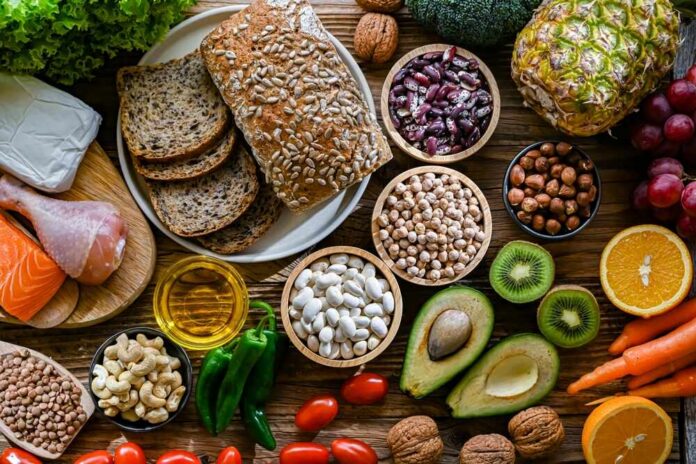
Potassium works as sodium’s biological opponent, telling your kidneys to release retained fluid. Bananas, avocados, and sweet potatoes deliver concentrated potassium doses that rebalance your electrolyte ratio. When potassium levels rise, your body stops perceiving a sodium emergency and permits water excretion. This isn’t folklore—registered dietitians across Cleveland Clinic and major health institutions recommend potassium as the first dietary intervention for mild water retention.
Natural Diuretics: Water-Rich Foods That Flush
Watermelon, cucumbers, celery, and asparagus function as gentle diuretics because their composition is over ninety percent water. Consuming these foods increases urine production without the harsh effects of pharmaceutical diuretics. Parsley and dandelion, used in traditional medicine for centuries, boost urine output through compounds that signal kidney filtration. These aren’t exotic remedies—they’re accessible produce that works with your body’s natural elimination systems.
Protein’s Hidden Role in Fluid Balance
Protein maintains osmotic pressure, the force that keeps fluid inside blood vessels rather than leaking into tissues where it causes puffiness. Eggs, Greek yogurt, and chicken provide amino acids that your body uses to construct albumin and other proteins essential for fluid retention within proper compartments. Without adequate protein, fluid escapes into interstitial spaces, creating the swollen appearance that frustrates you despite drinking water.
Magnesium and B6: The Hormonal Regulators
Magnesium at 250 milligrams daily reduces bloating by regulating muscle function and fluid distribution, with particularly strong effects during PMS when hormonal fluctuations amplify retention. Vitamin B6, studied in trials from 2012 to 2016, works synergistically with calcium to maintain fluid balance during menstrual cycles. These nutrients address the root cause rather than masking symptoms, making them valuable for anyone experiencing cyclical puffiness.
Practical Eating Strategy for Immediate Results
Combine a banana with almonds for a snack delivering potassium plus protein and healthy fats that slow digestion and stabilize blood sugar. Create avocado toast using whole-grain bread to add fiber and sustained satiety. Drink lemon water throughout the day—citric acid supports kidney function while hydration signals your body that sodium hoarding is unnecessary. These combinations work faster than isolated foods because they address multiple retention mechanisms simultaneously.
When to Consult a Professional
Mild puffiness from travel, hormonal cycles, or high-sodium meals responds well to dietary adjustment within days. Chronic swelling, particularly in legs and feet accompanied by shortness of breath or weight gain, signals potential kidney or heart issues requiring medical evaluation. Registered dietitians can personalize recommendations based on your specific sodium intake, medication interactions, and underlying health conditions that influence fluid regulation.
Sources:
Natural Remedies to Reduce Fluid Retention
Diuretic Foods for Fluid Retention and Swelling
These Foods Help Reduce Water Retention and Everyday Puffiness
8 Ways to Get Rid of Water Retention
6 Ways to Reduce Water Retention