A cancer vaccine built from a patient’s own tumor just cleared its biggest test yet, and it happened in melanoma, one of the deadliest skin cancers there is.
Story Snapshot
- Merck and Moderna say their Phase 3 trial hit its main goals for a personalized mRNA melanoma vaccine paired with Keytruda
- The combo aims to stop melanoma from coming back after surgery removes it
- Earlier trial data already showed a 44% drop in recurrence or death compared to Keytruda alone
- The Food and Drug Administration (FDA) already gave the treatment Breakthrough Therapy status years before this result
- Moderna’s stock jumped sharply on the news, showing how big a deal this is for investors and patients alike
A Vaccine Built From Your Own Tumor
This is not a shot you get off a shelf. Doctors take a sample of a patient’s tumor, scan its mutations, and use that data to build a one-of-a-kind messenger RNA (mRNA) shot. The goal is to teach the immune system to hunt down cancer cells using flags unique to that patient’s disease. Merck and Moderna call the treatment intismeran autogene, also known as mRNA-4157 or V940.
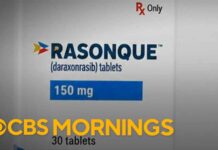
The idea sounds futuristic, but it is not new science pulled from thin air. Researchers have spent years refining how to sequence a tumor fast enough, then turn that data into a working vaccine before the cancer has a chance to spread again. The approach pairs the vaccine with Keytruda, an existing immune therapy drug already used to treat several cancers.
The Phase 3 Results That Changed the Conversation
Merck and Moderna announced that their Phase 3 trial, called INTerpath-001, met its two main goals. The vaccine plus Keytruda combination improved recurrence-free survival and distant metastasis-free survival in patients whose stage IIB through IV melanoma had been fully removed by surgery. Independent data monitors reviewing the trial called the result a “landmark” moment for the field.
That distinction matters. Plenty of cancer treatments look promising in small early trials, then fail once tested on a larger, randomly assigned group of patients. This trial was randomized and large enough to count as a real test, not just an early hint. Reaching success at this stage puts the vaccine on a path toward possible approval for regular use in clinics.
Years of Data Led to This Moment
This win did not come out of nowhere. Back in the earlier Phase 2b trial, known as KEYNOTE-942, patients getting the vaccine plus Keytruda saw a 44% drop in cancer coming back or dying compared to Keytruda alone. That data was strong enough that the FDA granted the combination Breakthrough Therapy Designation, a status meant to speed up review of treatments that show major early promise.
Longer follow-up data added even more weight. After five years, about 68.8% of patients who got the vaccine combo stayed cancer-free, compared to 49.1% of patients who only got Keytruda, a 49% cut in risk. Melanoma can spread fast once it returns after surgery, so keeping patients disease-free for years is the real prize doctors are chasing.
A personalised cancer vaccine moves another step closer. A late-stage trial of an mRNA vaccine tailored to each patient’s tumour has shown it can reduce the risk of melanoma returning or spreading.https://t.co/VfoLfDQ4la#Melanoma #CancerVaccine #CancerResearch #TCSC
— Cancer Survivors Club 📙 (@Cancer_Buzz) September 3, 2026
Melanoma remains one of the more aggressive skin cancers once it spreads beyond the original site, which is why doctors focus so heavily on stopping recurrence right after surgery. A treatment that keeps more patients disease-free during that window could change how high-risk melanoma gets managed going forward.
What This Means for Patients and the Market
Wall Street reacted fast. Shares of Moderna jumped sharply following the announcement, a sign that investors see this as more than just another incremental drug update. For a company still rebuilding its reputation after its COVID-19 vaccine years, a legitimate cancer treatment success carries weight far beyond one stock price.
For patients, the bigger story is simpler and more human. A personalized vaccine that trains the body to fight its own specific cancer, built from that patient’s own tumor, moving through a successful late-stage trial is the kind of medical progress skeptics can get behind: real data, real endpoints, and a treatment aimed at helping people survive surgery without the cancer creeping back.
Sources:
theprogressnetwork.org, merck.com, onclive.com, dermatologytimes.com, chemverify.com, pmc.ncbi.nlm.nih.gov