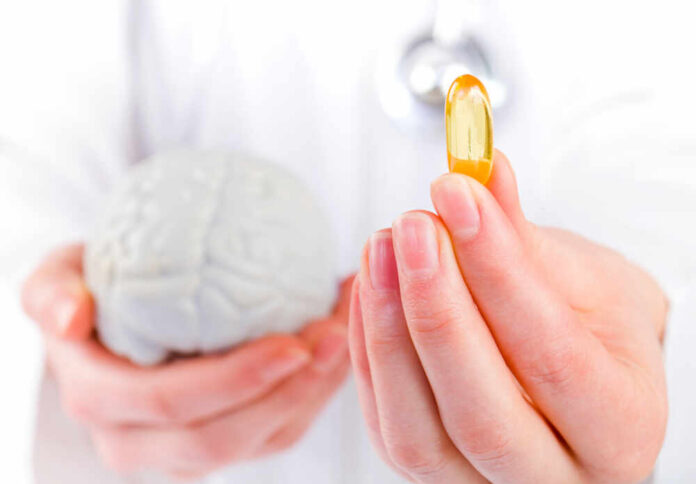
A supplement used for decades to treat acetaminophen overdose may now hold the key to preventing depression relapse, according to groundbreaking research that could reshape how millions approach mental health treatment.
Story Snapshot
- University of Cincinnati launches clinical trial combining N-acetylcysteine (NAC) supplement with mindfulness therapy to prevent depression relapse in patients with multiple episodes
- UK Biobank study of 258,000 adults reveals higher omega-3 levels correlate with reduced depression and anxiety history, suggesting biological mechanisms through inflammation reduction
- Recent research links B-vitamin deficiencies to impaired neurotransmitter synthesis and worsened depressive symptoms, with B12 showing cognitive decline prevention benefits
- Brain health supplement market projected to grow 11.02% annually through 2034, yet only 20-30% of consumers concerned about mental wellness currently use them
The NAC Alternative Taking Root in Academic Medicine
University of Cincinnati researchers announced in March 2026 a clinical trial pairing NAC supplements with mindfulness-based cognitive therapy for depression treatment. Dr. Francisco Nery leads the study targeting patients with multiple depressive episodes, populations where traditional antidepressants often fail to prevent relapse. NAC, an amino acid supplement with over 30 years of medical use for conditions ranging from respiratory illness to acetaminophen poisoning, works by modulating glutamate activity and reducing oxidative stress in brain tissue. The combination therapy approach aims to deliver affordable, accessible intervention without the side effects plaguing pharmaceutical options.
Omega-3 Evidence Reaches Critical Mass
The February 2026 UK Biobank analysis examined omega-3 blood levels in over 258,000 adults aged 40 to 70, finding an inverse association between EPA and DHA concentrations and lifetime depression or anxiety diagnoses. Dr. William Harris from the Fatty Acid Research Institute explains the biological plausibility centers on omega-3s reducing neuroinflammation and supporting neurotransmitter function, particularly through EPA pathways. Fish oil supplementation showed stronger benefits than dietary fish consumption alone, suggesting concentrated doses matter. The cross-sectional design limits causal claims, but the sheer sample size and consistency with decades of prior research strengthens the case for omega-3s as legitimate mental health tools.
B Vitamins Enter the Depression Conversation
Late 2025 studies documented connections between B9 (folate) and B12 deficiencies and both cognitive decline and depressive symptom severity. Research published in Alzheimer’s Association journals demonstrated higher B12 levels slowing cognitive deterioration in aging populations, while separate analyses linked inadequate B9 and B12 to impaired synthesis of serotonin and dopamine, neurotransmitters central to mood regulation. Industry players like SYNEVIT have capitalized on this evidence, developing bioavailable B-vitamin formulations marketed for brain health. The promotional tone surrounding some research warrants scrutiny, but underlying mechanisms align with established neuroscience showing vitamin cofactors enable enzymatic processes governing neurotransmitter production.
Why the Supplement Surge Matters Now
Post-pandemic anxiety and depression diagnoses surged globally, straining psychiatric treatment capacity and exposing limitations in pharmaceutical-only approaches. Brain health supplements rank third among consumer health priorities according to nutrition industry surveys, yet adoption remains surprisingly low at 20-30% among those expressing mental wellness concerns. This gap represents both market opportunity and public health challenge. NAC costs a fraction of branded antidepressants and carries minimal side effects. Omega-3s and B vitamins sit on pharmacy shelves without prescription barriers. The accessibility argument resonates for low-income populations and those wary of pharmaceutical dependency, values aligned with self-reliance and personal health autonomy.
The Pharmaceutical Counterpunch
Johnson & Johnson presented competing data at the 2026 American College of Neuropsychopharmacology meeting, showcasing FDA-approved drugs like CAPLYTA and novel compounds targeting orexin receptors for insomnia-linked depression. The pharmaceutical industry maintains regulatory advantages through patent protection and rigorous clinical trial infrastructure supplements cannot match. Yet the contrast highlights a deeper question about treatment philosophy. Supplements address potential nutritional deficiencies and leverage endogenous biological pathways, while pharmaceuticals introduce synthetic molecules with systemic effects. Both approaches have merit, but the supplement resurgence challenges psychiatry’s reflexive pharmaceutical dependence, pushing toward integrative models combining nutrition, therapy, and medication when truly necessary.
What the Science Actually Proves and What It Doesn’t
The NAC trial remains ongoing, with results pending. The omega-3 findings show association, not causation—people with higher levels had less depression history, but whether supplementation prevents new episodes requires randomized controlled trials. B-vitamin research faces similar limitations, with promotional industry funding coloring some interpretations. Meta-analyses reveal inconsistencies, particularly around EPA versus DHA efficacy and dosing protocols. Critics rightly note supplement quality varies wildly, with contamination and mislabeling plaguing unregulated markets. The evidence base supports biological plausibility and justifies cautious optimism, but overpromising helps no one. Responsible application means viewing supplements as potential adjuncts within comprehensive treatment plans, not silver bullets replacing professional psychiatric care.
The Market Reality Behind the Headlines
Brain health supplement sales project 11.02% compound annual growth through 2034, driven by aging demographics and mental wellness awareness. Supplement manufacturers invest heavily in research partnerships and marketing, blurring lines between education and promotion. The UC NAC trial receives academic funding independent of industry, lending credibility, while omega-3 studies often involve researchers with prior fish oil advocacy, raising bias questions. Consumers navigating this landscape need discernment. Third-party testing certifications, transparent sourcing, and skepticism toward exaggerated claims separate legitimate products from snake oil. The supplement boom reflects genuine public hunger for mental health solutions beyond pills and talk therapy, a hunger the medical establishment ignored too long.
Where Depression Treatment Goes From Here
The convergence of NAC trials, massive omega-3 cohort studies, and B-vitamin research signals psychiatry’s slow turn toward functional and nutritional models. Precedents exist in vitamin D and zinc supplementation normalizing inflammatory biomarkers tied to mood disorders. Regulatory scrutiny will intensify as supplement claims encroach on pharmaceutical territory, likely prompting FDA action on marketing language and efficacy standards. Long-term, personalized nutrition based on individual deficiency profiles and genetic factors may integrate with conventional psychiatry, moving beyond one-size-fits-all antidepressant prescriptions. The shift empowers patients as active participants in their mental health, a framework respecting personal agency while demanding rigorous evidence standards.
Sources:
UC studies supplement, therapy alternatives to treat depression
UK Biobank Study Links Higher Omega-3 Levels to Reduced Depression, Anxiety Risk in 258,000 Adults
New studies link vitamin B to brain health
The Tipping Point in Psychiatry: Road to 2026
Brain Health Supplements Boom in 2026 and Beyond