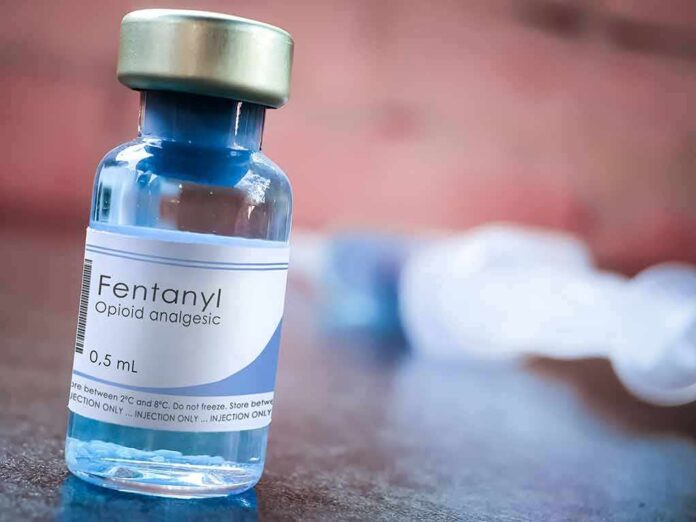
A new federal threat notice says a little-known opioid, cychlorphine, has been linked to 55 U.S. deaths since 2025, and it is showing up across the country.
Story Snapshot
- Federal officials linked cychlorphine to at least 55 deaths in 2025–2026.
- Tennessee forensic data report 41 related fatalities in a recent eight-month span.
- Detections rose from one sample in 2024 to 106 across 10 states in 2025.
- The drug has appeared in all four U.S. Census regions, signaling wide spread.
What Cychlorphine Is And Why It Matters Now
Federal officials describe cychlorphine as a synthetic opioid in the orphine class, not a fentanyl product. They warn it has surfaced in deaths and lab tests in many places. The White House Office of National Drug Control Policy reported at least 55 deaths linked to the drug during 2025 and 2026. The agency says the substance could spread further. That warning adds to public worry that new lab-made drugs keep outpacing law enforcement, treatment access, and basic public health systems.
State and local data echo the federal alert. Forensic officials in Tennessee linked cychlorphine to 41 overdose deaths between July 2025 and February 2026, showing how one state can carry a large share of early harm. Reporters also highlighted a San Francisco case where a 16-year-old’s autopsy detected the drug after a fatal overdose, underscoring that teens are not immune to the changing street supply. These reports put a human face on a dry national number.
Evidence Of Spread And A Fast Rise In Detections
The federal notice says cychlorphine has been detected in states that cover all four U.S. Census regions, with more sightings in Ohio, Texas, and Tennessee. Laboratory surveillance shows a striking jump from one positive sample in 2024 to 106 samples across 10 states in 2025. That spike suggests broader availability and better testing. It also hints at a market eager for new compounds that can slip around familiar screens and penalties, frustrating families and first responders alike.
Officials and reporters agree this is a novel opioid, not another fentanyl tweak. That matters for labs, hospitals, and police who must update tests and training fast. Clear naming helps prevent confusion that can delay care. The same lesson keeps repeating in the opioid era: the illegal supply shifts faster than public systems can adapt. Communities pay the price when warning lights blink only after bodies arrive at morgues, not when drugs first hit the street.
Deaths, Data Gaps, And Practical Steps Communities Can Take
The 55 figure refers to deaths linked to cychlorphine. That wording reflects how death reviews work and why counts can lag. Many overdose deaths involve more than one drug, which can blur what most harmed a person. Even with that caveat, the signal is strong enough for action. Local leaders can push for faster lab panel updates, real-time sharing with health clinics, and steady supplies of naloxone. Speed saves lives when a new compound spreads.
Just when you thought the world couldn’t get crazier, along comes a deadly new super opioid linked to multiple overdose deaths. Available online via Chinese suppliers.
When do we start prosecuting dealers for murder?
It’s the definition of murder … a reckless indifference to…— faithlessnomad (@Faithlessnomad3) October 20, 2026
People across the political spectrum see a pattern here. Washington warns after the damage is done while cartels and chemists invent the next pill or powder. Families see rising costs, thin treatment networks, and a system that feels more protective of careers than communities. Whether you blame open borders, corporate greed, bad trade policy, or welfare cuts, the result looks the same: a deadly supply chain keeps beating a slow and divided government.
Sources:
ksbw.com, foxnews.com, usnews.com, newsweek.com