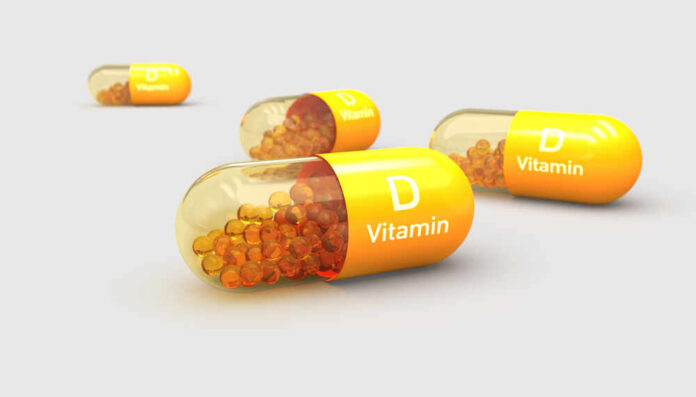
Vitamin D supplements might speed up your cognitive decline if your levels are already normal—turning a popular health tip into potential peril for millions of older adults.
Story Snapshot
- Low vitamin D levels link to higher dementia risk, urging immediate checks for those over 65.
- Supplementation accelerates global cognitive decline by 0.052 points per year in people with adequate levels.
- Brain tissue studies show vitamin D correlates with better cognition, independent of Alzheimer’s pathology.
- Experts recommend sun exposure and diet over pills without confirmed deficiency.
- Ongoing trials test high-dose benefits only in deficient groups.
Vitamin D Deficiency Raises Dementia Risk
Older adults with vitamin D deficiency face up to 49% higher dementia risk. Serum 25(OH)D below 20 ng/mL marks deficiency, while 21-29 ng/mL signals insufficiency. Glaucoma patients with low levels show hazard ratio of 1.241 for dementia. Meta-analyses confirm links with risks from 1.19 to 2.28. Brain tissue analyses reveal vitamin D presence ties directly to cognitive performance, bypassing Alzheimer’s markers. These findings demand routine screening in at-risk groups over 65.
Supplementation Backfires in Adequate Levels
US national cohorts of over 3,394 participants link vitamin D supplements to faster decline in those with normal baseline levels. Global cognition drops 0.052 points yearly (95% CI -0.092 to -0.013, p=0.010). Executive function worsens by 0.021 points per year (p=0.010). Adjustments for genetics like ApoE4 and frailty leave results unchanged. Sensitivity tests show no harm in deficient groups (p=0.826), but clear acceleration in replete individuals.
Mechanisms Behind Vitamin D and Brain Health
Vitamin D supports neuroprotection through amyloid clearance, inflammation reduction, and vascular stability. Animal models suggest vitamin D-p53 complexes may worsen amyloid-beta plaque deposition in some cases. Tufts University researchers in the Rush cohort found brain vitamin D forms associate with function, not neuropathology. Frontiers in Nutrition identifies deficiency as an inflammatory sensitizer in vulnerable populations. These pathways explain observational risks without uniform supplementation benefits.
A 2026 systematic review of 20 RCTs deems supplementation effects inconclusive due to small samples and short follow-ups. Common sense aligns with caution: American conservatives value self-reliance through diet and sunlight over unproven pills, especially when data shows harm in non-deficient users. Facts outweigh hype; targeted testing trumps blanket advice.
Stakeholders Drive Evidence-Based Shifts
Researchers from PubMed and PMC cohorts generate core data on supplementation risks. Tufts and Rush teams analyze brain tissues. ClinicalTrials.gov runs Phase II high-dose trials like NCT03613116 for insufficient patients. Frontiers authors highlight glaucoma-dementia ties. Journals like Alzheimer’s disseminate findings, urging clinicians to prioritize natural sources. Non-industry funding ensures neutrality, pushing guidelines toward screening over routine pills.
Short-term, targeted checks cut unnecessary supplement use, prevalent in 39.6% of older Americans. Long-term, cumulative declines heighten dementia odds, especially in inactive or glaucoma patients. Economic savings follow reduced nutraceutical spending. Socially, sun and diet gain emphasis, aligning with practical American values of prevention without excess.
Sources:
PubMed Study on Vitamin D Supplementation and Cognitive Decline
PMC Article on Vitamin D and Cognition in Older Adults
ClinicalTrials.gov: High-Dose Vitamin D Trial NCT03613116
Frontiers in Nutrition: Vitamin D Deficiency and Dementia in Glaucoma
Tufts University: Brains with More Vitamin D Function Better
Alzheimer’s Journal: Vitamin D in Brain Tissue and Cognition