Millions of people glance at their wrist first thing every morning to check if last night’s sleep score was “good enough” — and doctors say that daily habit may be doing more harm than the data is worth.
Quick Take
- Wearables measure steps and heart rate fairly well, but sleep, stress, and calorie-burn numbers vary a lot between devices.
- Doctors report a rise in health anxiety linked to constant self-tracking, sometimes called “over-tracking.”
- One study found trackers can boost people’s sense of accomplishment and encourage healthier habits.
- Experts say the fix is treating tracker data as a trend, not a diagnosis, and pairing it with real medical advice.
The Wristband Habit Millions Now Can’t Quit
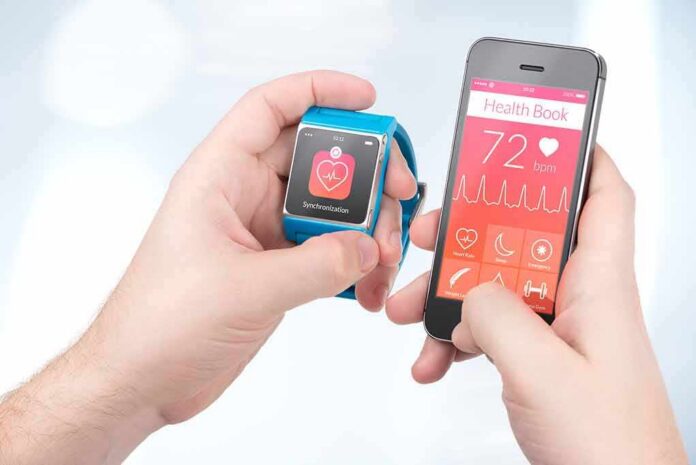
Smartwatches and fitness rings have turned into daily health report cards for tens of millions of Americans. People check sleep scores, readiness scores, stress scores, and step counts before they even get out of bed. The devices feel scientific because they spit out precise-looking numbers. But precision and accuracy are not the same thing, and that gap is where the real story sits.
A large review of consumer wearables looked at hundreds of validation studies covering more than 430,000 participants. It found solid accuracy for steps and general heart rate tracking. But sleep, stress, and blood pressure estimates stayed inconsistent across brands and models, with results shifting depending on the device and how it was worn.
Where the Science Actually Backs the Devices
Steps and basic heart rate are the wearable world’s strongest metrics. Multiple studies confirm devices like Apple Watch and Garmin track these fairly close to lab-grade equipment. A federal watchdog report even found wearables can help doctors catch problems faster, build personalized care plans, and improve how patients stick to treatment. That is real, measurable value, not marketing fluff.
A university health system also points out that trackers can flag irregular heart rhythms early and let physicians manage chronic conditions like diabetes or heart disease from a distance. For patients managing a real diagnosis, that kind of remote snapshot can genuinely change outcomes. The technology works. The question is what happens when healthy people use it like a diagnostic tool instead of a coaching tool.
Where the Data Gets Shaky
Sleep tracking is the weakest link. Older systematic reviews found lower validity for sleep and energy expenditure compared to steps, with devices often overestimating total sleep time and misreading light rest as deep sleep. Stress scores rely on heart rate variability, a signal that shifts with caffeine, weather, or even how tight the band is strapped. None of that stops the app from handing out a confident-looking grade every single morning.
The Anxiety Doctors Are Now Naming Out Loud
British physicians interviewed by the BBC raised a blunt warning: constant self-monitoring risks feeding a “culture of hypochondria.” Doctors described patients flooding clinics over normal variations their device flagged as abnormal, chasing a red notification instead of how they actually feel. That worry isn’t fringe grumbling — it’s coming from the people fielding the phone calls after a bad “readiness score”.
To be fair, tracking isn’t automatically bad for people’s heads. A randomized trial that followed fitness tracker users over time found a small but real boost in how healthy people felt about themselves, plus a stronger sense of accomplishment compared to a group without a tracker. Motivation and awareness went up. The catch is that the benefit was modest, and it depended on people using the numbers to build habits, not to panic over a single bad night.
What Actually Works for Everyday People
Personal responsibility beats outsourcing your health judgment to an algorithm. A device can nudge you to walk more or notice a genuinely odd heart rhythm. It should never replace a doctor’s exam, a lab test, or your own gut sense of how you’re doing. Treat the number as one data point among many, not a verdict handed down from a gadget.
The practical fix experts keep repeating is simple. Look at trends over weeks, not single-day swings. Turn off obsessive daily notifications if they’re causing dread instead of motivation. Bring the data to a doctor visit as context, not as a self-diagnosis. Millions are tracking their health right now — the smart ones are the ones who still trust their own judgment first.
Sources:
mindbodygreen.com, jmir.org, pmc.ncbi.nlm.nih.gov, mdpi.com