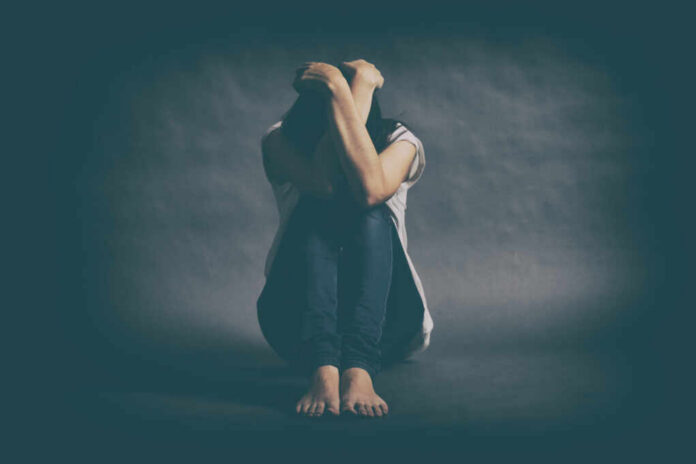
Women are nearly twice as likely as men to battle anxiety and depression — not because they are “weaker,” but because biology, culture, and quiet injustices stack the deck against them in ways most people never see.
Story Snapshot
- Women are about 2x more likely to experience depression and common mental health disorders than men.
- Hormone shifts at puberty, premenstrual phases, pregnancy, postpartum, and menopause raise vulnerability to mood problems.
- Violence, abuse, poverty, and work overload pile additional mental strain on women, especially mothers.
The numbers show women pay a higher mental health price
Across large studies, women show clearly higher rates of common mental health problems than men, especially depression and anxiety. Population data from health organizations consistently report that women are close to twice as likely to be diagnosed with depression as men, a gap that holds in many countries and age groups.[5][8] Some analyses go further, finding that women are now around three times more likely than men to experience common mental health conditions such as anxiety disorders and depressive episodes.[2]
This gap is not a niche statistical quirk buried in academic journals. Professional psychiatric groups estimate that about one in five women in the United States has a significant mental health problem in a given year, including depression, post-traumatic stress, or eating disorders.[6] Other reviews describe women as nearly twice as likely as men to suffer from mental illness overall.[9] When you translate those percentages into actual lives, that means almost every extended family or church pew includes several women quietly carrying a mental health burden.
Hormones matter, but they are not the whole story
Medical reviews show a striking pattern: spikes in women’s depression rates cluster around reproductive hormone shifts. Depression becomes more common in girls after puberty and tends to worsen around the premenstrual phase, pregnancy, the weeks after childbirth, and the perimenopausal transition.[1][5] Researchers link these patterns to changes in estrogen and progesterone that can affect brain chemicals involved in mood regulation, especially during abrupt rises or falls.[1][5]
Clinicians emphasize, however, that hormones open the door; they do not walk you through it. The Mayo Clinic explicitly cautions that hormonal changes alone do not cause depression, even though they influence risk.[5] Around pregnancy, for example, dramatic hormone swings interact with relationship problems, financial stress, lack of support, and previous depression to push some women into serious mood disorders while others stay stable.[5] The same principle applies at menopause: fluctuating or declining estrogen raises risk, but factors like poor sleep, past anxiety, and stressful life events often decide who crosses the line into clinical depression.[5]
Trauma, overload, and inequality quietly fuel the crisis
When you zoom out from hormones to lived experience, the picture looks even more familiar to anyone with common sense and conservative instincts about family and responsibility. Women are more likely than men to live in poverty, to raise children alone, and to juggle paid work with caregiving for kids and aging parents.[4][5] Health organizations point out that unequal power and status, financial insecurity, and work overload all increase women’s depression risk.[5] You cannot ask people to carry the heaviest load and then act surprised when their knees buckle.
The role of violence and abuse is especially stark. Advocacy and research groups report clear evidence that women’s mental health is closely linked to their experiences of violence and abuse, with more than half of women who have mental health problems reporting some form of abuse.[4] Government public health data list physical or sexual abuse, major life changes, and financial problems as core risk factors for depression and anxiety.[7] These are not abstract “social determinants”; they are specific harms that predictably damage mental health.
Why women look “sicker” on paper — and what that hides
The numbers also reflect who speaks up and who gets labeled. Women typically seek help from doctors and counselors more often than men do, so their struggles get recorded as diagnoses instead of buried in a bottle or a workaholic schedule.[6][8] Some experts argue that this drives part of the gap: women’s distress is counted; men’s often hides behind self-medication, anger, or withdrawal that never reaches a clinic.[8] That does not erase the female disadvantage, but it warns against lazy narratives that women are uniquely fragile.
Did you know untreated maternal stress or depression can increase risk of preterm birth, low birth weight, and future behavioral issues in a child?
Up to 25% of women in early pregnancy report mental health disorders, particularly anxiety.
More info: https://t.co/GmkQd7UN7W pic.twitter.com/hNQnmVWooW— The Lennon Center (@LennonCenter) May 26, 2026
At the same time, failure to take women’s mental health seriously has real costs. During the early phase of the COVID-19 pandemic, a large United States survey found women facing surges in food insecurity and interpersonal violence, matched by “alarmingly high” rates of depression, anxiety, and post-traumatic stress.[1] When society piles economic and safety stress onto a group already at higher biological risk, the outcome is predictable: more broken spirits, more broken families, and more children growing up with distressed caregivers.
What a practical, values-based response looks like
The research points toward a balanced answer that fits American conservative values: respect the reality of biological sex differences, and confront the cultural and moral failures that magnify them. Medical experts stress that the higher rate of depression in women is not due to biology alone; life circumstances and cultural stressors play a major role.[5] Supporting marriage, stable families, safe communities, and real local support networks is not just cultural preference, but mental health policy that protects women and the children who depend on them.
That response also means rejecting the modern habit of dismissing women’s struggles as “just hormones,” while equally rejecting a victim narrative that treats women as doomed by their biology. The evidence instead supports a sober middle ground: women do carry extra biological and social risk, but timely treatment, strong relationships, church and community involvement, and relief from chronic stressors significantly improve outcomes. That approach preserves personal responsibility while acknowledging that asking women to carry double the burden without real support is a recipe for the very mental health crisis the statistics now reflect.
Sources:
[1] Web – Women Are 2x As Likely To Struggle With These Mental Health Concerns
[2] Web – Why is depression more prevalent in women? – PMC
[4] Web – Depression in women | Mental Health America
[5] Web – Causes of the male-female ratio of depression based on … – Frontiers
[6] Web – Depression in Women: Potential Biological and Sociocultural … – PMC
[7] Web – Why is depression more common in women? – Rethink Mental Illness
[8] Web – Mental Health Conditions: Depression and Anxiety – CDC
[9] Web – Depression in women: Understanding the gender gap – Mayo Clinic