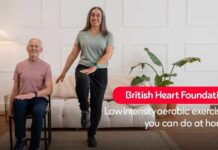
Walking faster or adding strength exercises during your daily walk can slash your mortality risk by 20 percent while building the muscle and endurance your body desperately needs to thrive past middle age.
Story Snapshot
- Only 25 percent of regular walkers combine their routine with strength training, missing critical fitness benefits that prevent muscle loss and extend lifespan.
- Vanderbilt researchers found just 15 minutes of brisk walking daily reduces mortality risk by approximately 20 percent, outperforming three hours of slow strolling.
- Walking at more than 70 percent of maximum heart rate builds cardiovascular stamina and lower body strength, transforming a leisurely habit into genuine training.
- One minute of vigorous-intensity walking equals eight minutes of moderate walking for heart health benefits, making pace the secret weapon most walkers overlook.
- UK Biobank data reveals walking sessions lasting 10 minutes or longer deliver substantially better cardiovascular protection than accumulating steps in short bursts throughout the day.
The Missing Ingredient in Your Daily Walk
Walking dominates American fitness routines because it requires no equipment, no gym membership, and no special skills. Yet the July 2025 Vanderbilt University Medical Center study exposed a troubling reality: most walkers leave enormous health gains on the table. Researchers tracking low-income and Black populations discovered that 15 minutes of fast-paced walking slashed total mortality risk by roughly 20 percent compared to meandering strolls exceeding three hours. The culprit is intensity. Walking at a pace pushing your heart rate above 70 percent of maximum transforms pedestrian exercise into legitimate cardiovascular training that builds stamina while strengthening leg and trunk muscles.
Why Three Quarters of Walkers Fall Short
Healthline analysis of 2023 research confirms that fewer than one in four regular walkers supplements their routine with muscle-strengthening activities like resistance bands, yoga, or bodyweight exercises. This compliance gap matters because walking alone, particularly at leisurely speeds, fails to meet comprehensive fitness guidelines requiring both aerobic and strength components. Studies dating back to 1997 established that rhythmic aerobic activity builds cardiovascular endurance, but vigorous effort is non-negotiable. The problem compounds among older adults who desperately need preserved muscle mass to maintain independence, yet wearable fitness trackers obsess over step counts while ignoring the intensity and strength work that actually determines whether those steps translate into genuine health protection or wasted motion.
The Brisk Walking Advantage for Time-Starved Americans
Nature Communications research quantified what serious exercisers have known intuitively: one minute of vigorous-intensity activity delivers six times the cardiovascular benefit of moderate walking. For practical purposes, that minute of brisk walking equals eight minutes of leisurely pace for heart health outcomes. Vanderbilt’s 2025 findings validated this efficiency for underserved populations, demonstrating that a quarter-hour of fast walking outperforms hours of casual strolling for mortality reduction. This time advantage matters profoundly for working-class Americans juggling jobs, family obligations, and tight budgets who cannot afford gym memberships or hour-long workout sessions. Brisk walking costs nothing beyond willingness to push past comfort zones into zones where conversation becomes challenging and breathing noticeably quickens.
Longer Walking Sessions Beat Fragmented Steps
UK Biobank researchers analyzing hundreds of thousands of participants discovered that how you accumulate steps matters as much as total count. Borja Del Pozo Cruz from Universidad Europea de Madrid found individuals logging steps in continuous bouts of 10 minutes or longer experienced substantially lower cardiovascular and all-cause mortality risks compared to people hitting identical step totals through scattered bursts throughout the day. This finding challenges the “every step counts” narrative fitness tracker companies promote. For walkers averaging fewer than 8,000 daily steps, the research suggests prioritizing sustained walking sessions over fragmenting movement into brief intervals between sedentary periods offers superior protection against heart disease and premature death.
Adding Strength Training to Walking Routines
Harvard T.H. Chan School of Public Health reviews confirm that combining walking with resistance training delivers benefits neither activity achieves alone. Muscle-strengthening exercises preserve lean tissue that naturally declines after age 40, maintaining metabolic rate while walking builds cardiovascular reserves. The combination addresses hypertension, elevated cholesterol, and diabetes risk more effectively than either intervention solo. Practical integration requires minimal equipment: resistance bands for upper body work, bodyweight squats and lunges during walking breaks, or activities like gardening that simultaneously elevate heart rate and challenge muscles. The key insight from multiple studies is that walking provides the aerobic foundation, but strength work prevents the muscle wasting that leaves older adults frail and vulnerable to injury.
The evidence converges on an uncomfortable truth for casual walkers: coasting through daily steps at conversational pace while scrolling phones leaves most fitness potential untapped. Accelerating to brisk paces that elevate heart rate above 70 percent of maximum, extending sessions beyond 10-minute minimums, and incorporating resistance exercises twice weekly transforms walking from pleasant habit into genuine health intervention. The beauty of this approach lies in its accessibility, requiring no financial investment beyond commitment to intensity rather than mere motion. For Americans facing escalating healthcare costs and sedentary job demands, upgrading walking routines offers a zero-cost strategy to build strength reserves, enhance stamina, and potentially add years to lifespan through simple modifications most people can implement tomorrow.
Sources:
Walking May Be More Effective When Combined With Strength Training
A Fast Daily Walk Could Extend Your Life
Walking – The Nutrition Source
Vigorous Intensity Exercise Benefits
Walks Longer Than 10 Minutes Offer Cardiovascular Benefits