Erythritol, the zero-calorie darling of keto diets, spikes blood clot risks more than sugar in a single serving.
Story Snapshot
- Cleveland Clinic trials show 30g erythritol—one soda equivalent—triggers platelet hyperactivity lasting days, unlike glucose.
- 2023 Nature Medicine study links higher blood erythritol to heart attacks and strokes in 3,000-person cohorts.
- FDA GRAS status hides erythritol in keto bars and gum, evading labels despite CVD warnings.
- Experts like Dr. Hazen demand RCTs; benefits for diabetics clash with thrombosis dangers.
Erythritol’s Natural Origins and Commercial Rise
Erythritol occurs in trace amounts in melons and grapes. Yeast ferments glucose to produce it commercially for sugar-free gum, protein bars, and keto beverages. Approved in over 60 countries decades ago, it offers zero calories, no tooth decay, and negligible blood sugar impact, attracting diabetics. Manufacturers prize its sugar-like taste without insulin spikes. Pre-2023, FDA GRAS status required no long-term studies or labels, fueling unchecked ubiquity amid obesity epidemics.
2023 Studies Expose Clotting Mechanisms
Cleveland Clinic researchers gave healthy volunteers 30g erythritol, matching one keto soda. Blood levels surged 1,000-fold, persisting days, while platelets turned hyperreactive—primed for clots absent in sugar trials. Nature Medicine analyzed U.S. and European cohorts of nearly 3,000, finding elevated erythritol predicted major adverse cardiovascular events like heart attacks and strokes. Lab tests confirmed enhanced clot formation, surpassing glucose effects.
Stakeholders Clash Over Safety Data
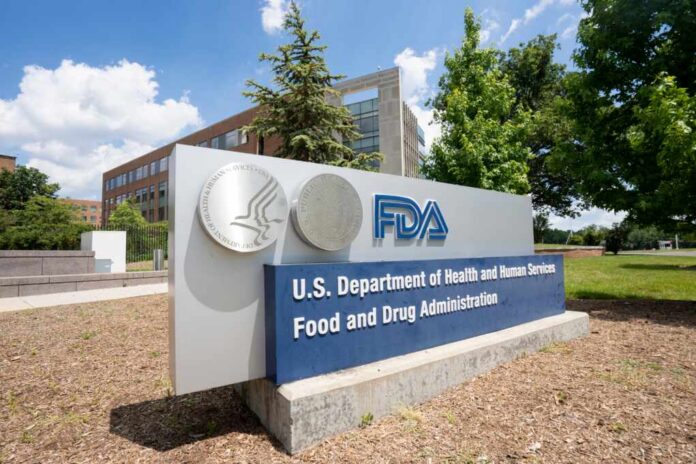
Dr. Stanley Hazen at Cleveland Clinic leads prothrombotic research; Dr. W.H. Wilson Tang urges re-evaluation. NIH cohorts reinforce MACE links; Mayo Clinic notes a 2001 study’s incidental cardiac risks. FDA upholds GRAS without causation proof. Food industry embeds erythritol anonymously in low-carb products, resisting labels. Researchers push RCTs; regulators prioritize existing approvals, balancing market freedom with emerging science.
Current Status and Expert Calls for Action
As of 2026, erythritol retains GRAS amid no new large trials. Dr. Tang states erythritol deserves long-term scrutiny versus sugar’s neutrality. Hazen highlights CVD prevalence needing research. Orlando Health tempers panic, citing study flaws like pre-existing biases, yet affirms dose concerns. Keto communities scrutinize heavily marketed staples; NIH flags labeling gaps exploiting consumer trust.
Health and Market Impacts Unfold
Short-term, high-risk groups face clotting and GI alerts from heavy use; long-term, GRAS revocation looms if causality proves. Diabetics and keto users, prime targets, confront unlabeled risks in daily products. Economic hits loom for reformulations; social trust erodes in processed “health” foods. Political pressure mounts on FDA for post-market surveillance, potentially boosting stevia and whole-food alternatives over industrial polyols.
Sources:
Erythritol: Uses, Benefits, and Risks – WebMD
Trouble with Erythritol – Science.org
Erythritol Health Concerns – Bass Medical Group
Mayo Clinic Q and A: Is erythritol a safe and healthy sugar substitute?
Study compares effects of artificial sweetener erythritol and sugar – Cleveland Clinic
Erythritol and cardiovascular events – NIH
Erythritol: Healthy or Unhealthy? – Healthline
Don’t Panic — You Can Still Use Artificial Sweeteners – Orlando Health